303 Products · Outdoor Furniture Cushion Protectants
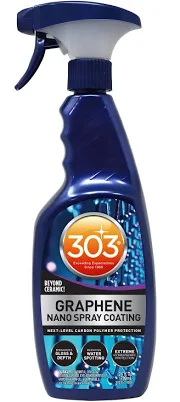
303 Graphene Nano Spray Coating
Skip pending composition disclosure and independent testing.
Graphene nano coating composition stays proprietary and undisclosed. No PFAS claims, certifications, or public lab data exist.
The better-graded swap
Grandin Road
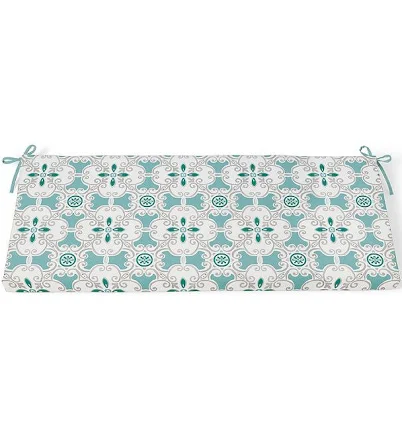
45" X 18" Replacement Bench Cushion - Knife-Edge, Knife-Edge/Medallion Aquatic - Grandin Road
75/100 safety
Same rubric that flunked this product. The swap earned Excellent.
Still want this one anyway? Check the price on Amazon. We’d swap it.
Material
Graphene nano spray coating (proprietary, unspecified resin/binder)
Brand disclosure
Brand is silent on PFAS
Lab data
No public lab test
What 303 Graphene Nano Spray Coating is made of, ingredients and materials
303 Graphene Nano Spray lists graphene as its active ingredient but does not publicly disclose the resin binder, solvent system, or additives in the proprietary formulation. Graphene itself is a carbon allotrope with low acute toxicity, but the delivery system (spray application, binder chemistry, and curing process) determines actual exposure risk. Without full ingredient disclosure, the potential for volatile organic compounds (VOCs), unreacted monomers, or undisclosed polymer additives during and after application cannot be ruled out.
What’s concerning
Category baseline
The starting point for this type of product, before anything specific to this product is counted.
Vague safety claims only
Uses vague language ("eco-friendly", "clean") without a specific PFAS statement.
Unknown / proprietary coating
A coating is recorded with no disclosed chemistry.
Volatile Organic Compounds (VOCs) / solvent off-gassing
Spray application and curing phase likely release volatile components from the binder and propellant system. 303 does not publish VOC content or curing emissions data, making exposure assessment impossible without independent testing.
Graphene nanoparticle inhalation risk
Spray delivery introduces airborne graphene particles into the breathing zone during application. Long-term inhalation safety of graphene nano-sprays is not well-established in occupational or consumer literature; particle size distribution and agglomeration behavior are critical unknowns not disclosed by the brand.
Coating degradation and leachate formation
Thermal cycling, UV exposure, or contact with moisture may degrade the graphene-resin matrix over months to years, potentially releasing degradation products or unreacted resin components. No durability or stability data is publicly available for this proprietary formulation.
Respiratory and skin sensitization from uncured resin or additives
Without full ingredient disclosure, common spray additives such as catalysts, thickeners, or preservatives that trigger allergic contact dermatitis or asthma cannot be identified. Users with chemical sensitivities are at higher risk due to lack of ingredient transparency.
PFAS
Brand maintains silence on PFAS status; graphene spray coatings in the broader market sometimes incorporate fluorinated polymers for water and stain repellence. Independent testing of this specific product is needed to confirm or exclude PFAS.
Source, ATSDR ↗The full breakdown
The brand's record and disclosure
303 Products specializes in protective coatings for automotive and household surfaces but maintains silence on PFAS content and full product composition. The company provides no third-party certifications (e.g., GreenGuard, VOC testing, or toxicology reports) for this spray product. This lack of transparency is inconsistent with modern consumer safety standards and makes independent hazard assessment difficult. No recalls or reported incidents specific to this graphene product are publicly documented.
How it compares in its category
Furniture protection sprays typically include acrylics, polyurethanes, or silicone-based coatings; graphene nano sprays are a newer category with fewer long-term safety studies. Compared to conventional protective sprays, nano-formulations carry theoretical risks from airborne particles during application, though actual inhalation hazard depends on particle size distribution and binder volatility, both undisclosed here. Most competitors in this space (e.g., conventional fabric protectors) have at least VOC or solvent data available; 303's silence puts it in the lower transparency tier.
If you buy it
Apply only in well-ventilated spaces or outdoors, with respiratory protection (N95 minimum) and nitrile gloves to minimize inhalation and dermal contact during spray. Allow full curing time (manufacturer-specified, typically 24-48 hours) before contact with skin or food surfaces; avoid application to items that will touch mouth or be handled by children. Do not heat-treat or expose coated furniture to direct flame or sustained high temperature, as curing chemistry and thermal stability are not disclosed. If respiratory irritation, headache, or skin reaction occurs during or after application, cease use and seek fresh air immediately.
What we don’t know
- Basis
- Model estimate, 35% confidence, not a lab result
- Lab test
- None on record for this exact product
- Brand statement
- 303 Products has made none
Formulations change between production runs, so check the current label. How we grade.
Better-graded alternatives in Outdoor Furniture Cushion Protectants
Pledge
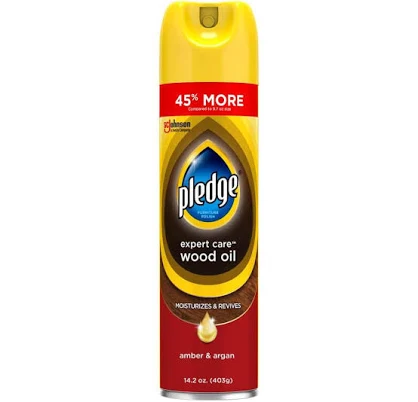
14.2 oz. Amber and Argan Scent Furniture Moisturizing Oil
- mineral oil, argan oil blend
- We found no PFAS statement from the brand
- Fragrance allergens and undisclosed components
4 hazards checked on this product. See all of them.

West Elm
Cut Garden Flowers Pillow Cover
- 100% cotton canvas
- Azo dyes and dye contamination
3 hazards checked on this product. See all of them.

Crate and Barrel
Crate & Barrel Surya Yellow Throw Pillow
- Polyester, cotton, or cotton-blend fabric with standard dyes
- We found no PFAS statement from the brand
- Azo dyes and color migration
3 hazards checked on this product. See all of them.
More outdoor furniture cushion protectants grades
How we score, every product runs through the same public 0-100 rubric based on materials, coatings, brand disclosure, lab findings, and recalls. See the full methodology → Spotted a mistake? Report an error.