Adidas · Golf Balls & Equipment
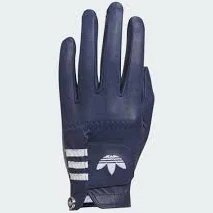
adidas Originals Golf Leather Glove
Lower PFAS concern for bare leather golf glove. No disclosure.
Leather gloves typically pose lower PFAS risk than synthetic or water-resistant apparel. Standard leather tanning rarely involves fluorochemicals unless water-repellent treatment is applied.
The better-graded swap

Bridgestone
Bridgestone Limited Edition Tour B RX Leaderboard Golf Balls
85/100 safety
Same rubric that flunked this product. The swap earned Excellent.
Still want this one anyway? Check the price on Amazon. We’d swap it.
Material
Leather with standard tanning and finishing
Lab data
No public lab test
You may also be interested in
Top-graded picks in the categories readers replace first, every one scored on the same rubric.

Aqua Pure
3M Aqua-Pure AP802B Whole House Filter Housing
- polypropylene filter housing, carbon/sediment cartridge
- We found no PFAS statement from the brand
- Bacterial growth in spent cartridges
3 hazards checked on this product. See all of them.

Aquasure
Premier Series 75 GPD Under Sink Reverse Osmosis Water Filtration System
- RO membrane, carbon filters, stainless steel housing
- We found no PFAS statement from the brand
- Bacterial and microbial growth in housing and filters
4 hazards checked on this product. See all of them.

Avocado
Vegan Mattress
- organic cotton, natural latex, coconut coir, recycled steel coils
- The brand calls it PFAS-free, which we have not verified
- Heavy metals
2 hazards checked on this product. See all of them.
What adidas Originals Golf Leather Glove is made of, ingredients and materials
Adidas Originals Golf Leather Glove is constructed from full or top-grain leather with standard chromium or vegetable tanning and synthetic overlays (likely polyester or nylon for structure and grip). Leather itself is a relatively stable, biodegradable material with low off-gassing potential compared to synthetics. The finishing layers and adhesives used to bond materials are where chemical exposure risk concentrates; tannery chemistry and dye selection determine residual heavy metal and formaldehyde exposure.
What’s concerning
Category baseline
The starting point for this type of product, before anything specific to this product is counted.
No PFAS disclosure
No public statement from the brand about PFAS in this product.
Lead
Chromium is the standard tanning agent in mass-market leather; residual hexavalent chromium (Cr VI) is regulated by REACH/ZDHC but not eliminated. Adidas does not publish tannery test data for this glove. Glove-to-skin contact is intermittent and localized, reducing systemic risk.
Source, ATSDR ↗Formaldehyde / VOCs
Formaldehyde is used in cross-linking resins and as a biocide in tannery processing. No product-specific testing on record. Finished leather off-gassing is typically minimal at room temperature but rises with heat or moisture. Glove storage in enclosed spaces with poor ventilation may concentrate low-level fumes.
Source, ATSDR ↗Azo dyes and dye residue (if colored)
This model is leather-natural tan or brown; azo dye risk is lower than in synthetic textiles but not zero if leather is heavily stained or over-dyed. Adidas sources leather from multiple tanneries with varying dye control practices.
Adhesive leaching and coating breakdown
Glue used to bond leather panels and synthetic overlays can degrade over time, especially in humid or warm conditions. No specific failures reported for this model, but wear at seams and trim is common in budget-to-mid leather goods. Degraded adhesive may release volatile organic compounds.
Allergen contact dermatitis from tannery residue or dyes
Individuals with sensitive skin or chromium allergy may experience localized irritation. No widespread adverse event reports for this glove exist, but leather allergy is a recognized condition. Patch testing before extended use is prudent for known leather-sensitive users.
What’s reassuring
Base material not linked to PFAS
The main material recorded for this product is not one associated with PFAS.
The full breakdown
The brand's record and disclosure
Adidas has published sustainability commitments and chemical management policies but does not routinely disclose tannery-level chemical testing results for individual apparel SKUs. No product-specific recalls or safety warnings for this glove model are on record. The brand has faced historical scrutiny on supply chain transparency but has improved disclosure in recent years; however, detailed leather tannery chemical profiles remain proprietary across the industry.
How it compares in its category
Leather golf gloves occupy a low-risk niche within apparel, they see minimal skin contact, are not worn during extended heat exposure, and do not involve dye-heavy construction like printed textiles. Versus synthetic gloves, leather has lower VOC volatility; versus latex or rubber alternatives, it avoids allergen-trigger elastomers. Adidas positioning and pricing suggest mid-range tannery standards, neither premium (hand-tanned, traceable) nor budget (unknown origin).
If you buy it
Store in a cool, dry place away from heat and direct sunlight to avoid accelerated degradation and any leaching from finishes. Avoid prolonged soaking or aggressive cleaning with harsh solvents; gentle spot-cleaning with damp cloth is a lower concern approach. Inspect for color fading, peeling trim, or adhesive breakdown as signs of coating deterioration; replace when protective function is compromised. If skin sensitivity develops, discontinue use and consider hypoallergenic alternatives.
What we don’t know
- Basis
- Model estimate, 72% confidence, not a lab result
- Lab test
- None on record for this exact product
- Brand statement
- Adidas has made a specific claim
Formulations change between production runs, so check the current label. How we grade.
More golf balls & equipment grades
How we score, every product runs through the same public 0-100 rubric based on materials, coatings, brand disclosure, lab findings, and recalls. See the full methodology → Spotted a mistake? Report an error.