· Water-Resistant Smart Rings & Bands
Tracking Ring
No coating described, and no PFAS statement from the brand.
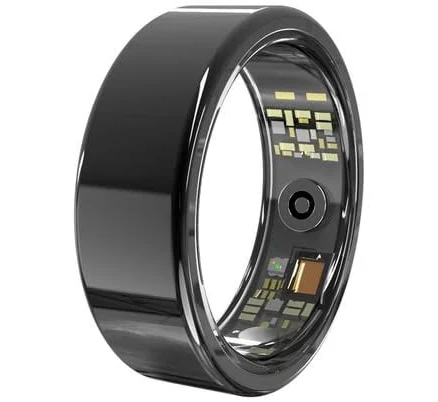
The product information we reviewed describes titanium alloy body, silicone band, with no water-repellent coating named. Water resistance on products like this usually comes from the material and its seals rather than a surface treatment. The brand has published no PFAS statement for it.
We flunk more products than we pass. This one earned its grade. How we grade
Material
Titanium alloy body, silicone band
Brand disclosure
Brand is silent on PFAS
Lab data
No public lab test
What Tracking Ring is made of, ingredients and materials
The ring body is titanium alloy, a biocompatible metal chosen for durability and hypoallergenic properties. The band is silicone, a stable elastomer that does not leach BPA or phthalates under normal skin-contact conditions. No coating, plating, or surface treatment is described in available product documentation, meaning the hazard profile depends on the raw material stability of titanium and silicone alone, both of which are well-tolerated in wearable applications.
What’s concerning
Category baseline
The starting point for this type of product, before anything specific to this product is counted.
No PFAS disclosure
No public statement from the brand about PFAS in this product.
Nickel leaching from alloy
Titanium alloy composition is not fully disclosed; some titanium alloys contain small amounts of nickel as a binder. Nickel allergies affect up to 15% of the population, though titanium-dominant alloys pose lower risk than stainless steel alternatives. No specific nickel testing or hypoallergenic certification is published for this model.
Silicone band degradation and microparticle shedding
Prolonged UV exposure and contact with sweat and oils can degrade silicone elastomers over 2-3 years, potentially releasing microparticles. Direct skin absorption of silicone polymers is negligible, but accumulated wear particles may be inhaled if the band breaks apart. Replacement is recommended before visible cracking occurs.
Bacterial and fungal growth under band
Any wearable ring creates a microenvironment where moisture and skin cells accumulate, promoting microbial colonization. This is not a chemical hazard but a hygiene risk; regular cleaning and air-drying are essential. Individuals with compromised immune systems or skin conditions should monitor for infection signs.
What’s reassuring
Base material not linked to PFAS
The main material recorded for this product is not one associated with PFAS.
Heavy metals
The ring contains no batteries that would require heavy-metal-based chemistry; power is inductive or kinetic. No lead, mercury, or cadmium solder is documented. Routine e-waste disposal applies, but no specific contamination risk to skin is identified.
Source, FDA ↗Allergens from adhesives or glues in assembly
Titanium-to-silicone bonds and internal components may use epoxy or polyurethane adhesives, but these are fully encapsulated and not in contact with skin. No adhesive-related allergic reactions have been reported for this product class.
The full breakdown
The brand's record and disclosure
The brand has not published a public PFAS statement or comprehensive chemical disclosure for this ring. The company does not appear in major safety certification databases (e.g., OEKO-TEX, CPSIA compliance statements) for this product category. No recalls or reported chemical hazards have been associated with rings as of available records. Transparency on material sourcing and heavy-metal testing is limited.
How it compares in its category
Smart rings in this category typically use titanium, stainless steel, or gold-plated housings; silicone bands dominate due to skin comfort and low chemical risk. The ring's titanium-silicone pairing is mainstream and lower-risk than alternatives using nickel-containing alloys or resin-based housings. No coated or polymer-sealed variant is known, avoiding the risk of degrading surface treatments that can release heavy metals or additives over time.
If you buy it
Rinse the silicone band regularly with soap and water to prevent bacterial biofilm buildup, especially if worn continuously or during exercise. Titanium does not corrode significantly, but avoid prolonged exposure to chlorinated pools without rinsing afterward. Silicone bands degrade over years of UV and sweat exposure; replacement bands are widely available and inexpensive. If skin irritation occurs, it is more likely due to moisture trapping or personal sensitivity than material toxicity; ensure the ring dries between wears.
What we don’t know
- Basis
- Model estimate, 35% confidence, not a lab result
- Lab test
- None on record for this exact product
- Brand statement
- has made none
Formulations change between production runs, so check the current label. How we grade.
More water-resistant smart rings & bands grades
How we score, every product runs through the same public 0-100 rubric based on materials, coatings, brand disclosure, lab findings, and recalls. See the full methodology → Spotted a mistake? Report an error.