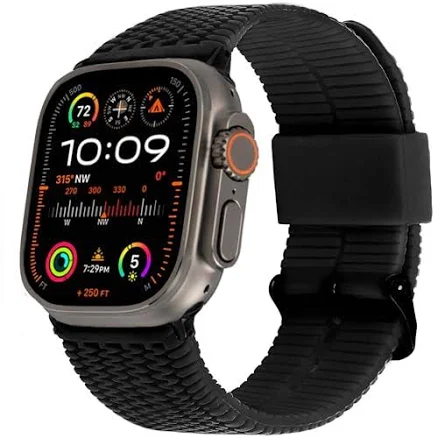
Carterjett · Water-Resistant Smart Rings & Bands
Apple Watch Band 42mm Tire Tread Sport Silicone iWatch Band Rugged
Silicone band carries lower PFAS risk. No disclosure though.
Silicone is inherently unlikely to contain PFAS, though the brand provides no testing or certification. No public health alerts or recalls affect this product line.
The better-graded swap
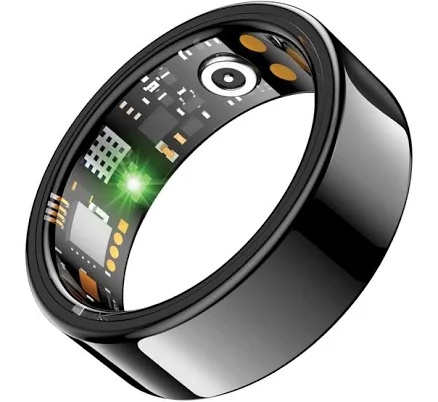
Livup
Livup Smart Silver Ring
85/100 safety
Same rubric that flunked this product. The swap earned Excellent.
Still want this one anyway? Check the price on Amazon. We’d swap it.
Material
Silicone elastomer
Brand disclosure
Brand is silent on PFAS
Lab data
No public lab test
You may also be interested in
Top-graded picks in the categories readers replace first, every one scored on the same rubric.

Aqua Pure
3M Aqua-Pure AP802B Whole House Filter Housing
- polypropylene filter housing, carbon/sediment cartridge
- We found no PFAS statement from the brand
- Bacterial growth in spent cartridges
3 hazards checked on this product. See all of them.

Aquasure
Premier Series 75 GPD Under Sink Reverse Osmosis Water Filtration System
- RO membrane, carbon filters, stainless steel housing
- We found no PFAS statement from the brand
- Bacterial and microbial growth in housing and filters
4 hazards checked on this product. See all of them.

Avocado
Vegan Mattress
- organic cotton, natural latex, coconut coir, recycled steel coils
- The brand calls it PFAS-free, which we have not verified
- Heavy metals
2 hazards checked on this product. See all of them.
What Apple Watch Band 42mm Tire Tread Sport is made of, ingredients and materials
This band is silicone elastomer, a synthetic rubber polymer chosen for sports watches because it resists sweat, UV, and mechanical stress without breaking down easily. Unlike foam or fabric straps, silicone does not absorb moisture or harbor bacteria in crevices, reducing skin irritation risk. The 'tire tread' surface texture is molded into the material itself rather than applied as a coating, meaning no secondary adhesives or top-layer finishes to degrade or leach over time. Silicone has no known pathway to leach heavy metals, BPA, or phthalates in normal wear conditions.
What’s concerning
No PFAS disclosure
No public statement from the brand about PFAS in this product.
Category baseline
The starting point for this type of product, before anything specific to this product is counted.
Formaldehyde / VOCs
Silicone elastomers are vulcanized and cured using catalysts; some low-cost manufacturing may use formaldehyde-releasing additives or cross-linkers. No test data or recalls confirm this for Carterjett bands, but brand silence on material sourcing makes it unverifiable.
Source, ATSDR ↗Allergens in fragrance or mold inhibitors
Some silicone bands are treated with antimicrobial or odor-control additives that may include fragrance compounds or quaternary ammonium salts. Carterjett does not disclose these; individuals with fragrance sensitivity should test for reaction during first wear.
Contact dermatitis from uncured silicone residues
If the band was not fully cured or rinsed after manufacturing, trace uncrosslinked oligomers could cause itching or rashes in sensitive skin. This risk is lower with reputable suppliers; Carterjett's lack of certification means curing standards are not publicly documented.
What’s reassuring
Base material not linked to PFAS
The main material recorded for this product is not one associated with PFAS.
Heavy metals
The 'tire tread' texture appears to be molded into natural silicone or black-pigmented silicone rather than painted or dyed over. Standard black carbon pigments carry negligible heavy metal risk; no contamination reports exist for this product.
Source, FDA ↗Microplastics
Silicone does not biodegrade into microplastics under normal wrist wear. Surface cracking or degradation from extended sun exposure could theoretically release small elastomer flakes, but this is a cosmetic failure mode rather than a direct chemical hazard.
Source, EPA ↗The full breakdown
The brand's record and disclosure
Carterjett is a third-party Apple Watch accessory maker with no established public certifications (e.g., CPSIA, OEKO-TEX) or published material safety data sheets. The brand maintains silence on PFAS use in manufacturing or treatment, which is typical of budget-tier watch band suppliers but limits transparency. No product recalls, contamination claims, or litigation appear in public databases for this specific model or brand. The lack of disclosure does not confirm risk, but it means independent verification of material purity is unavailable.
How it compares in its category
Silicone sport bands sit in the middle of the safety spectrum for watch straps. Genuine Apple silicone bands and premium competitors (e.g., Nomad, Spigen) often publish compliance certifications; Carterjett does not, placing it at a transparency disadvantage rather than a demonstrated safety disadvantage. Fabric and leather alternatives carry higher VOC and dye contamination risks. Thermoplastic polyurethane (TPU) bands share similar chemical stability to silicone but may contain trace phthalates depending on the manufacturer.
If you buy it
Clean the band weekly with soap and water to prevent sweat buildup and skin irritation, though silicone resists bacterial growth better than fabric. Avoid prolonged contact with high heat (over 100°C / 212°F), as silicone can soften or off-gas volatile compounds if overheated; normal wrist temperature and washing present lower concern. Replace the band if you notice visible cracks, sticky residue, or persistent odor that does not wash out. Store in a cool, dry place away from direct sunlight to slow any long-term material degradation.
What we don’t know
- Basis
- Model estimate, 72% confidence, not a lab result
- Lab test
- None on record for this exact product
- Brand statement
- Carterjett has made none
Formulations change between production runs, so check the current label. How we grade.
More water-resistant smart rings & bands grades
How we score, every product runs through the same public 0-100 rubric based on materials, coatings, brand disclosure, lab findings, and recalls. See the full methodology → Spotted a mistake? Report an error.