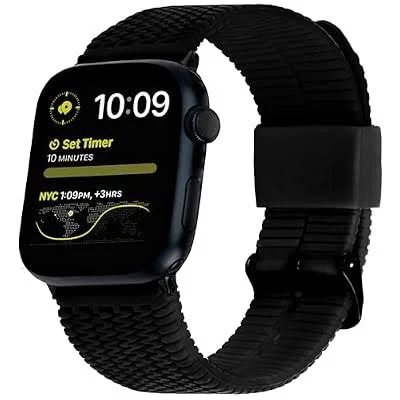
Carterjett · Water-Resistant Smart Rings & Bands
CARTERJETT Tire Tread Rugged Sport Band
Sport band material typically carries lower PFAS risk.
Carterjett tire tread sport bands use elastomer materials, posing lower PFAS concern than coated fabrics. Brand provides no PFAS transparency, though standard elastomers rarely require fluorochemical treatment.
The better-graded swap
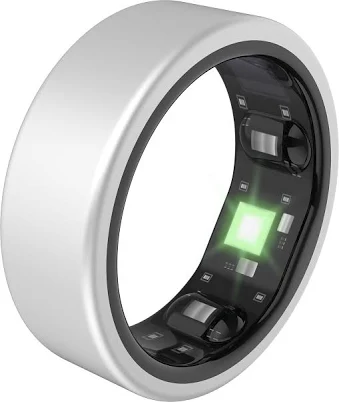
QALO
QALO QRNT Original Smart Ring with Health Tracker
85/100 safety
Same rubric that flunked this product. The swap earned Excellent.
Still want this one anyway? Check the price on Amazon. We’d swap it.
Material
elastomer sport band, likely silicone or rubber
Brand disclosure
Brand is silent on PFAS
Lab data
No public lab test
You may also be interested in
Top-graded picks in the categories readers replace first, every one scored on the same rubric.

Aqua Pure
3M Aqua-Pure AP802B Whole House Filter Housing
- polypropylene filter housing, carbon/sediment cartridge
- We found no PFAS statement from the brand
- Bacterial growth in spent cartridges
3 hazards checked on this product. See all of them.

Aquasure
Premier Series 75 GPD Under Sink Reverse Osmosis Water Filtration System
- RO membrane, carbon filters, stainless steel housing
- We found no PFAS statement from the brand
- Bacterial and microbial growth in housing and filters
4 hazards checked on this product. See all of them.

Avocado
Vegan Mattress
- organic cotton, natural latex, coconut coir, recycled steel coils
- The brand calls it PFAS-free, which we have not verified
- Heavy metals
2 hazards checked on this product. See all of them.
What CARTERJETT Tire Tread Rugged Sport Band is made of, ingredients and materials
The Carterjett Tire Tread band is an elastomer, most likely silicone rubber or synthetic rubber blend, chosen for durability and flexibility in sports use. Silicone and rubber elastomers are chemically inert at body temperature and do not leach plasticizers like BPA or phthalates the way some plastics do. The "rugged" formulation suggests reinforcement or texturing agents added for grip and wear resistance, which may include carbon black or fillers not fully disclosed. Unlike fabric wristbands, elastomer bands avoid dye and formaldehyde resin exposure entirely.
What’s concerning
No PFAS disclosure
No public statement from the brand about PFAS in this product.
Category baseline
The starting point for this type of product, before anything specific to this product is counted.
Elastomer degradation and leaching
Silicone and rubber bands degrade under UV, sweat (acidic), and heat. No testing available for this brand's formulation; typical degradation over 18-24 months may release oligomers or residual monomers at low levels.
Heavy metals
Carbon black used for texture and durability can contain trace cadmium or lead depending on source; Carterjett does not disclose filler origin or purity standards.
Source, FDA ↗Contact dermatitis from accelerators or antioxidants
Rubber elastomers may retain residual vulcanization accelerators (e.g., thiuram, thiazole compounds) or antioxidants that trigger allergic skin reactions in sensitive users. No hypoallergenic labeling available for this product.
What’s reassuring
Base material not linked to PFAS
The main material recorded for this product is not one associated with PFAS.
Microplastic shedding
No documented evidence of microplastic release from solid elastomer sport bands in normal use. Risk is theoretical and low compared to textured foam or polyester alternatives.
Formaldehyde / VOCs
Silicone and rubber elastomers do not require formaldehyde resins for curing; VOC off-gassing is minimal after manufacturing. No odor or respiratory concerns typical for this material class.
Source, ATSDR ↗The full breakdown
The brand's record and disclosure
Carterjett maintains no published safety certifications, material transparency statements, or third-party testing disclosures for this product line. The brand has not publicly addressed PFAS, heavy metals, or elastomer sourcing standards. No recalls or safety warnings are on record for Carterjett sport bands. This silence makes independent verification of manufacturing standards and chemical inputs impossible.
How it compares in its category
Sport bands in this material class (silicone/rubber) are inherently lower-risk than fabric wristbands (which may contain formaldehyde resins or azo dyes) or metal-fastened designs (potential nickel/lead). Major brands like Apple, Garmin, and Samsung publish elastomer sourcing and testing data; Carterjett does not. Typical silicone sport bands show minimal hazard if manufactured under standard food-grade or medical-grade protocols, but Carterjett's compliance level is unstated.
If you buy it
Wash the band weekly with warm soapy water to reduce skin irritation from sweat and potential surface residues. Avoid prolonged contact with skin if you notice redness or irritation; switch to a different material for a few days to rule out sensitivity. Replace the band every 1-2 years or if visible cracking or discoloration occurs, as elastomer degradation can increase leaching risk. Store away from direct sunlight and heat sources, which may accelerate polymer breakdown.
What we don’t know
- Basis
- Model estimate, 72% confidence, not a lab result
- Lab test
- None on record for this exact product
- Brand statement
- Carterjett has made none
Formulations change between production runs, so check the current label. How we grade.
More water-resistant smart rings & bands grades
How we score, every product runs through the same public 0-100 rubric based on materials, coatings, brand disclosure, lab findings, and recalls. See the full methodology → Spotted a mistake? Report an error.