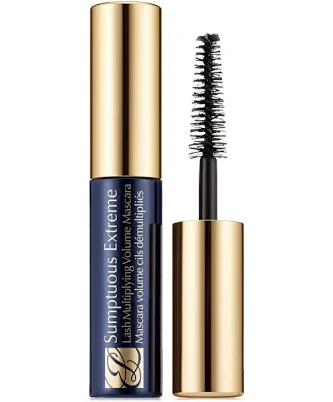
Estée Lauder · Waterproof Mascara
Estée Lauder Sumptuous Extreme Lash Multiplying Volume Mascara
No PFAS disclosure. Mascara PFAS risk is low but unverified.
Estée Lauder does not publicly disclose PFAS in this mascara or its supply chain. Mascaras typically carry lower PFAS risk than water-resistant cosmetics, but the brand's silence limits confidence.
The better-graded swap
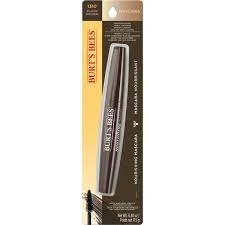
Burt's Bees
Burt's Bees 100% Natural Nourishing Mascara, Black Brown
75/100 safety
Same rubric that flunked this product. The swap earned Excellent.
Still want this one anyway? Check the price on Amazon. We’d swap it.
Material
pigments, film-forming polymers, water
Lab data
No public lab test
What Estée Lauder Sumptuous Extreme Lash is made of, ingredients and materials
Sumptuous Extreme is a water-based mascara formulation built on film-forming polymers (likely acrylates or similar resins), pigments for color, and water as the carrier. The 'lash multiplying' claim typically signals synthetic fibers or microspheres in the formula to add perceived volume. Film-forming polymers in mascaras are industry-standard and designed to adhere to lashes without flaking; water-based formulations carry lower VOC risk than solvent-based alternatives. Pigments (iron oxides, carbon black, or synthetic colorants) are FDA-regulated in cosmetics but heavy metal contamination in pigment batches remains a low but documented concern across the category.
What’s concerning
Category baseline
The starting point for this type of product, before anything specific to this product is counted.
No PFAS disclosure
No public statement from the brand about PFAS in this product.
Heavy metals
Iron oxides and carbon black are standard in mascaras and generally low-risk; however, synthetic colorants and lakes can occasionally contain trace lead or cadmium. No specific testing or recalls for Estée Lauder Sumptuous Extreme exist, but this hazard applies to all pigmented mascaras at low probability.
Source, FDA ↗Bacterial or fungal contamination (water-based formulation)
Water-based mascaras require preservatives to prevent microbial growth; expired or improperly stored formulas increase eye infection risk. This is a known hazard of the water-based category, not specific to this brand, but replacement every 3 months mitigates it significantly.
Formaldehyde / VOCs
Mascaras commonly use preservatives like methylisothiazolinone or formaldehyde-releasing agents to prevent spoilage. Estée Lauder does not disclose specific preservatives, so exact formulation is not publicly available; eye contact with such preservatives is rare but can cause irritation if the product contacts eyes directly.
Source, ATSDR ↗What’s reassuring
Fragrance allergens
Estée Lauder does not disclose fragrance ingredients in this mascara; if present, fragrance compounds can trigger contact dermatitis or eye irritation in sensitive individuals. No specific allergen complaints on record for this product.
Teflon-type coating or silica in microspheres (lash-building additives)
The 'lash multiplying' claim suggests synthetic fibers or microspheres; Teflon-type coating fume risk does not apply to mascaras (not heated), but inhalation of loose silica particles during application is theoretically possible if the formula is very dry. No documentation of this issue exists for this specific product.
The full breakdown
The brand's record and disclosure
Estée Lauder does not publicly disclose PFAS in mascara products or general formulation transparency beyond regulatory requirements. The brand has no major recalls or substantiated hazard controversies specific to this mascara line on record. Estée Lauder is not known for leading ingredient disclosure or third-party safety certifications; the company follows FDA compliance but does not adopt voluntary standards like Leaping Bunny or clean beauty certifications. No independent testing results or consumer complaints of specific harm from this product are publicly documented.
How it compares in its category
Water-based mascaras like this one generally carry lower VOC and solvent exposure risk than oil-based or solvent-rich formulations. Estée Lauder's tier and formulation approach are typical of prestige mass-market mascaras; they do not exceed or fall short of standard safety practices in the category. Independent brands and smaller cosmetics lines often exceed Estée Lauder in fragrance allergen transparency and pigment sourcing disclosure, though comparable mascaras from major cosmetics conglomerates (L'Oréal, Procter & Gamble) show similar transparency gaps. No significant hazard difference exists between this product and comparable department-store mascaras.
If you buy it
Replace mascara every 3 months or after 2, 3 months of regular use to minimize bacterial growth and eye irritation risk; water-based formulations are more prone to contamination than waterproof alternatives if left open or stored in humid bathrooms. Do not heat or freeze the product; store in a cool, dry place. If eye irritation, redness, or swelling occurs, discontinue use and rinse thoroughly; mascaras cannot be returned to stores once opened for hygiene reasons. Remove mascara daily with gentle cleanser or dedicated remover to prevent lash damage and eye irritation.
What we don’t know
- Basis
- Model estimate, 45% confidence, not a lab result
- Lab test
- None on record for this exact product
- Brand statement
- Estée Lauder has made a specific claim
Formulations change between production runs, so check the current label. How we grade.
Better-graded alternatives in Waterproof Mascara
Burt's Bees
100% Natural Nourishing Mascara, Black Brown
- Wax, pigments, natural oils (typical mascara base)
- Fragrance allergens and undisclosed sensitizers
2 hazards checked on this product. See all of them.
More waterproof mascara grades
How we score, every product runs through the same public 0-100 rubric based on materials, coatings, brand disclosure, lab findings, and recalls. See the full methodology → Spotted a mistake? Report an error.