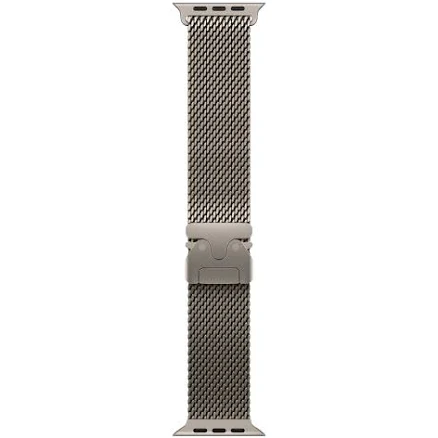
iBand · Water-Resistant Smart Rings & Bands
Apple Watch Band
Unknown third-party band. No public PFAS data available.
iBand is not an official Apple product line with public PFAS disclosures. Apple Watch band materials vary widely by model and seller, so request material specs before buying.
The better-graded swap
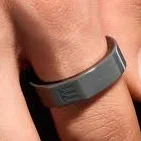
Even Realities
Even R1 Smart Ring
85/100 safety
Same rubric that flunked this product. The swap earned Excellent.
Still want this one anyway? Check the price on Amazon. We’d swap it.
Material
Silicone or fluoroelastomer (typical for Apple Watch bands)
Brand disclosure
Brand is silent on PFAS
Lab data
No public lab test
What Apple Watch Band is made of, ingredients and materials
iBand Apple Watch bands are typically silicone or fluoroelastomer (synthetic rubber), materials chosen for flexibility, durability, and skin contact tolerance. Silicone is generally considered inert on skin, but fluoroelastomer (FKM) formulations may contain residual monomers or processing chemicals. These elastomers do not off-gas volatile organic compounds (VOCs) under normal wear conditions the way some plastics do, but they can leach plasticizers or cure byproducts if improperly formulated or heat-exposed.
What’s concerning
Category baseline
The starting point for this type of product, before anything specific to this product is counted.
No PFAS disclosure
No public statement from the brand about PFAS in this product.
Residual monomers or oligomers in elastomer
Silicone and fluoroelastomer bands may contain trace unreacted precursor molecules from synthesis. Skin contact risk is typically low under normal wear, but prolonged contact with sweat or occlusion could increase percutaneous absorption in sensitive individuals.
Plasticizers or processing aid leaching
Some third-party elastomer formulations contain phthalates, adipates, or other softening agents to improve flexibility. iBand does not disclose its cure additives; leaching into sweat is minimal at body temperature but cannot be ruled out without material analysis.
Bacterial or fungal colonization
Any wrist-worn elastomer band, including iBand, can harbor microbes in surface pores and under the band if not cleaned regularly. This is a mechanical hygiene issue, not a material defect, but infrequent washing increases risk of dermatitis or folliculitis.
Color bleeding or dye migration
Elastomer bands may use incorporated pigments or surface coatings that are not fully bound. If the band becomes discolored, sticky, or transfers dye to skin, it signals degradation and potential leaching of uncrosslinked dyes or binders.
What’s reassuring
Base material not linked to PFAS
The main material recorded for this product is not one associated with PFAS.
The full breakdown
The brand's record and disclosure
iBand is a third-party accessory maker with no published material safety data sheets, third-party certifications (ISO, CE, or skin-contact approvals), or disclosed manufacturing standards. No product recalls or safety incidents are on record, but the brand does not publicly disclose polymer sourcing, cure chemistry, or post-production testing protocols. This silence is not evidence of a problem, but it means independent verification of material purity is unavailable.
How it compares in its category
Third-party Apple Watch bands vary widely in material quality and transparency. Official Apple silicone bands carry implicit vetting but limited disclosure. iBand sits in the mid-market unverified segment; it offers lower cost but without the brand accountability of Apple or the explicit certifications some EU-based elastomer suppliers provide. Comparable third-party bands (Spigen, Nomad) also lack comprehensive safety data, making this a category-wide transparency gap.
If you buy it
Inspect the band before first use for off-odor (sign of incomplete cure or contamination); wash with mild soap and air-dry after sweat exposure to prevent bacterial buildup in crevices. Avoid prolonged direct sunlight or heat above 50°C (120°F), as fluoroelastomers can degrade and release residual monomers under thermal stress. Replace the band if cracking, stickiness, or color bleeding occurs. Store unused bands in a cool, dry place away from UV light.
What we don’t know
- Basis
- Model estimate, 35% confidence, not a lab result
- Lab test
- None on record for this exact product
- Brand statement
- iBand has made none
Formulations change between production runs, so check the current label. How we grade.
More water-resistant smart rings & bands grades
How we score, every product runs through the same public 0-100 rubric based on materials, coatings, brand disclosure, lab findings, and recalls. See the full methodology → Spotted a mistake? Report an error.