Lysol · Outdoor Furniture Cushion Protectants
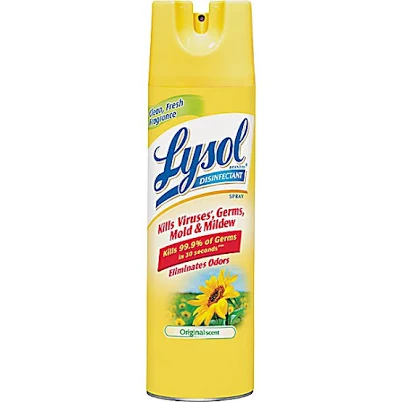
Lysol 18 oz. Disinfectant Spray
Disinfectant spray with no fluorinated ingredient on record, and no PFAS statement from the brand.
Lysol disinfectant spray is an aerosol liquid without water-repellent coatings or Teflon-family coating. Standard disinfectant formulations carry lower PFAS risk than treated textiles.
We flunk more products than we pass. This one earned its grade. How we grade
Material
Spray formulation, aerosol propellant and disinfectant actives
Lab data
No public lab test
You may also be interested in
Top-graded picks in the categories readers replace first, every one scored on the same rubric.

Aqua Pure
3M Aqua-Pure AP802B Whole House Filter Housing
- polypropylene filter housing, carbon/sediment cartridge
- We found no PFAS statement from the brand
- Bacterial growth in spent cartridges
3 hazards checked on this product. See all of them.

Aquasure
Premier Series 75 GPD Under Sink Reverse Osmosis Water Filtration System
- RO membrane, carbon filters, stainless steel housing
- We found no PFAS statement from the brand
- Bacterial and microbial growth in housing and filters
4 hazards checked on this product. See all of them.

Avocado
Vegan Mattress
- organic cotton, natural latex, coconut coir, recycled steel coils
- The brand calls it PFAS-free, which we have not verified
- Heavy metals
2 hazards checked on this product. See all of them.
What Lysol 18 oz. Disinfectant Spray is made of, ingredients and materials
Lysol 18 oz. disinfectant spray is an aerosol formulation containing alkyl dimethyl benzyl ammonium saccharinate (a quaternary ammonium compound) as the active disinfectant, propane/isobutane as propellant, and water as carrier. The active ingredient is a well-established antimicrobial approved by the EPA for household disinfection; aerosol propellants are inert gases with no known direct toxicity at consumer exposure levels. Because this is a spray applied to outdoor furniture and cushions, inhalation and dermal contact during application are the primary exposure routes of concern.
What’s concerning
Category baseline
The starting point for this type of product, before anything specific to this product is counted.
No PFAS disclosure
No public statement from the brand about PFAS in this product.
Inhalation exposure to aerosol propellant and active ingredient
Aerosol sprays produce fine mist containing propane/isobutane and quaternary ammonium compound; prolonged or repeated inhalation in poorly ventilated spaces may cause respiratory irritation, particularly in individuals with asthma or reactive airway disease. No established chronic toxicity from single-use consumer applications in outdoor settings.
Dermal and ocular irritation from direct contact
Quaternary ammonium disinfectants can cause mild irritation or burning if sprayed directly on skin or eyes; cushion contact during application is unlikely to cause systemic harm if washed off promptly, but accidental facial spray warrants rinsing with water.
Residual active ingredient on fabric contact surfaces
Quaternary ammonium compounds may remain on cushion surfaces after drying; skin contact with treated cushions shortly after application could cause minor irritation in sensitive individuals, though residue typically breaks down within hours and poses no established systemic risk.
Spray-induced environmental release and aquatic impact
Aerosol particles and active ingredients can drift beyond the target furniture into soil and water; quaternary ammonium compounds are considered low-hazard to aquatic life at typical consumer-use concentrations, but outdoor application in sensitive environments warrants restraint.
What’s reassuring
Base material not linked to PFAS
The main material recorded for this product is not one associated with PFAS.
Heavy metals
No public record of heavy metal contamination or non-compliant pigments in Lysol disinfectant sprays; product formulations are generally limited to active antimicrobials, propellants, water, and fragrance compounds.
Source, FDA ↗The full breakdown
The brand's record and disclosure
Reckitt Benckiser (Lysol's parent company) does not publicly disclose ingredient sourcing, manufacturing certifications, or formal safety testing summaries on product labels or websites. Lysol products carry EPA registration numbers and comply with federal pesticide regulations; no major recalls or established safety controversies tied to this specific formulation are on public record. The brand has not made explicit statements regarding PFAS use or avoidance in disinfectant lines.
How it compares in its category
Lysol disinfectant spray is a standard quaternary ammonium-based aerosol, similar in formulation to competing brands like Clorox spray and Febreze antimicrobial products. Non-aerosol alternatives (liquids, wipes, concentrated solutions) eliminate propellant inhalation risk but require manual application and are not always suitable for cushioned outdoor furniture. Lysol's EPA registration and long market history suggest regulatory vetting, though some consumers prefer fragrance-free or plant-based disinfectants for sensitivity reasons.
If you buy it
Apply in well-ventilated outdoor areas or open spaces to minimize inhalation of propellant and active ingredients; do not use in enclosed rooms without adequate airflow. Test on a small inconspicuous area of cushion fabric first to verify no staining or discoloration occurs. Store in a cool, dry place away from heat and direct sunlight to prevent aerosol pressure buildup. Replace when the spray nozzle fails to function or after the typical shelf life (3-5 years); do not puncture or incinerate empty cans.
What we don’t know
- Basis
- Model estimate, 72% confidence, not a lab result
- Lab test
- None on record for this exact product
- Brand statement
- Lysol has made a specific claim
Formulations change between production runs, so check the current label. How we grade.
More outdoor furniture cushion protectants grades
How we score, every product runs through the same public 0-100 rubric based on materials, coatings, brand disclosure, lab findings, and recalls. See the full methodology → Spotted a mistake? Report an error.