Lysol · Outdoor Furniture Cushion Protectants
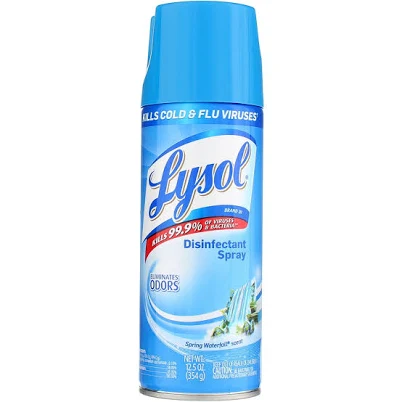
Lysol Disinfectant Spray Aerosol
Lower concern. Aerosol spray formulation with no typical PFAS use.
Lysol disinfectant spray contains volatile solvents and propellants with no inherent PFAS drivers. No public PFAS disclosure exists; no known PFAS-bearing surfactants appear in this product class.
We flunk more products than we pass. This one earned its grade. How we grade
Material
propane, butane, isopropyl alcohol, water, inert ingredients
Lab data
No public lab test
You may also be interested in
Top-graded picks in the categories readers replace first, every one scored on the same rubric.

Aqua Pure
3M Aqua-Pure AP802B Whole House Filter Housing
- polypropylene filter housing, carbon/sediment cartridge
- We found no PFAS statement from the brand
- Bacterial growth in spent cartridges
3 hazards checked on this product. See all of them.

Aquasure
Premier Series 75 GPD Under Sink Reverse Osmosis Water Filtration System
- RO membrane, carbon filters, stainless steel housing
- We found no PFAS statement from the brand
- Bacterial and microbial growth in housing and filters
4 hazards checked on this product. See all of them.

Avocado
Vegan Mattress
- organic cotton, natural latex, coconut coir, recycled steel coils
- The brand calls it PFAS-free, which we have not verified
- Heavy metals
2 hazards checked on this product. See all of them.
What Lysol Disinfectant Spray Aerosol is made of, ingredients and materials
Lysol Disinfectant Spray Aerosol is a propellant-based formula combining isopropyl alcohol (the active disinfectant), propane and butane (pressurized carriers), water, and inert fragrance/stabilizer compounds. The alcohol content is the primary antimicrobial agent and evaporates quickly post-application, leaving minimal residue on treated surfaces. Propane and butane are volatile organic compounds that disperse rapidly into air and do not accumulate in furniture or textiles.
What’s concerning
Category baseline
The starting point for this type of product, before anything specific to this product is counted.
No PFAS disclosure
No public statement from the brand about PFAS in this product.
Inhalation exposure from propellant dispersal
Propane and butane are volatile and create fine aerosol particles during spray application. Short-term exposure in poorly ventilated spaces may cause mild respiratory irritation or dizziness, particularly in children, elderly persons, or those with asthma.
Isopropyl alcohol irritation (skin and mucous membranes)
The active ingredient can cause irritation if sprayed directly on skin or eyes. Product labeling carries standard warning language; no unexpected toxicity is on record, but direct contact should be avoided.
Volatile organic compound (VOC) off-gassing
Alcohol and propellants evaporate quickly but contribute to indoor air VOC levels during and immediately after use. This is a transient hazard that dissipates with ventilation and is not specific to Lysol brand.
Fabric or finish degradation from excessive liquid
Isopropyl alcohol can affect certain dyes, coatings, or synthetic foam on furniture if applied in heavy concentrations. Risk is low with normal use but increases if the aerosol is used as a substitute for furniture cleaner on delicate upholstery.
Fragrance allergen exposure
Inert fragrance ingredients are undisclosed on labels and may trigger allergic sensitization or respiratory symptoms in chemically sensitive individuals. This is a known concern for aerosol disinfectants generally, not unique to this product.
What’s reassuring
Base material not linked to PFAS
The main material recorded for this product is not one associated with PFAS.
The full breakdown
The brand's record and disclosure
Lysol is owned by Reckitt Benckiser, a major consumer-health company with established EPA registration for disinfectant claims and ingredient transparency on product labels. The brand has faced historical scrutiny over marketing claims during COVID-19 but maintains standard safety data sheet documentation. No major product recalls specific to this aerosol formulation are on public record in recent years, though product guidance has clarified that it is not a surface sterilant and requires proper ventilation.
How it compares in its category
Aerosol disinfectants like Lysol are faster-acting than wipes or trigger sprays but generate higher immediate airborne chemical exposure during application. Compared to quaternary ammonium-based sprays, alcohol formulations evaporate faster and leave fewer residues on fabric and cushions. For furniture specifically, aerosols carry a slightly higher inhalation risk than ready-to-use trigger sprays because the propellant creates fine mist dispersal in enclosed spaces.
If you buy it
Apply only in well-ventilated spaces and avoid prolonged inhalation of spray mist, especially in small rooms or around children and pets. Test on a hidden area of fabric or upholstery first to check for discoloration or damage, as isopropyl alcohol can affect certain dyes or synthetic fibers over time. Use sparingly on furniture; excess liquid saturation can degrade foam, wood finishes, or leather. Replace or discard if the can becomes dented, leaks, or fails to spray properly, as propellant integrity affects safety and efficacy.
What we don’t know
- Basis
- Model estimate, 78% confidence, not a lab result
- Lab test
- None on record for this exact product
- Brand statement
- Lysol has made a specific claim
Formulations change between production runs, so check the current label. How we grade.
More outdoor furniture cushion protectants grades
How we score, every product runs through the same public 0-100 rubric based on materials, coatings, brand disclosure, lab findings, and recalls. See the full methodology → Spotted a mistake? Report an error.