Lysol · Outdoor Furniture Cushion Protectants
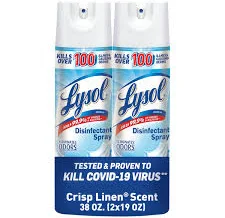
Lysol Disinfectant Spray Sanitizing Antibacterial Spray
Lower concern. Liquid spray poses minimal PFAS risk.
Lysol disinfectant spray is a liquid aerosol without water-resistant or grease-resistant coatings typical of PFAS use. No brand PFAS disclosure is found.
We flunk more products than we pass. This one earned its grade. How we grade
Material
aqueous spray solution in metal aerosol can
Lab data
No public lab test
You may also be interested in
Top-graded picks in the categories readers replace first, every one scored on the same rubric.

Aqua Pure
3M Aqua-Pure AP802B Whole House Filter Housing
- polypropylene filter housing, carbon/sediment cartridge
- We found no PFAS statement from the brand
- Bacterial growth in spent cartridges
3 hazards checked on this product. See all of them.

Aquasure
Premier Series 75 GPD Under Sink Reverse Osmosis Water Filtration System
- RO membrane, carbon filters, stainless steel housing
- We found no PFAS statement from the brand
- Bacterial and microbial growth in housing and filters
4 hazards checked on this product. See all of them.

Avocado
Vegan Mattress
- organic cotton, natural latex, coconut coir, recycled steel coils
- The brand calls it PFAS-free, which we have not verified
- Heavy metals
2 hazards checked on this product. See all of them.
What Lysol Disinfectant Spray Sanitizing is made of, ingredients and materials
Lysol Disinfectant Spray is an aqueous solution containing alkyl dimethyl benzyl ammonium saccharinate and other quaternary ammonium compounds (quats), delivered as a pressurized aerosol from a metal can. The active ingredients are EPA-registered antimicrobial agents; the spray format means ingredients remain in solution rather than bonded to surfaces, reducing long-term leaching risk compared to furniture coatings or treatments. The aerosol propellant is typically isobutane or propane, both inert gases with no known toxicological concern at household exposure levels.
What’s concerning
Category baseline
The starting point for this type of product, before anything specific to this product is counted.
No PFAS disclosure
No public statement from the brand about PFAS in this product.
Inhalation of aerosolized antimicrobial agents (quaternary ammonium compounds)
Acute inhalation of aerosol mist can irritate respiratory tract, throat, and eyes; chronic low-dose inhalation from frequent use in enclosed spaces is not well-characterized in epidemiological literature. Users with asthma or reactive airway disease should take extra precaution and ensure ventilation.
Skin and eye irritation from direct contact
Quaternary ammonium compounds at household spray concentrations can cause irritation if sprayed directly onto skin or eyes. Lysol labeling includes precautionary language for eye contact; accidental exposure typically resolves with water rinse but warrants attention in households with young children.
Allergen sensitization from fragrance and additives
Lysol spray contains fragrance compounds and preservatives that may trigger contact sensitization or respiratory irritation in susceptible individuals; ingredients are not fully itemized on consumer-facing packaging beyond active antimicrobials.
Propellant inhalation and CNS effects from misuse
Isobutane and propane propellants carry lower concern at normal use but can cause dizziness, euphoria, and cardiac dysrhythmia if deliberately inhaled; this risk applies primarily to intentional misuse rather than labeled use, but is documented as a public health concern for aerosol products broadly.
What’s reassuring
Base material not linked to PFAS
The main material recorded for this product is not one associated with PFAS.
No established off-gassing or long-term furniture contamination
Unlike furniture treatments applied during manufacturing, Lysol spray does not permanently bond to upholstery or padding and is not documented to accumulate or off-gas hazardous volatiles over time when used as directed.
The full breakdown
The brand's record and disclosure
Reckitt Benckiser (Lysol's parent company) has faced scrutiny over marketing claims and ingredient transparency, particularly around antimicrobial efficacy and COVID-era overuse. The company does not proactively disclose PFAS-free status on this product, though no PFAS intentional addition is documented for aqueous spray disinfectants in this class. Lysol products are EPA-registered disinfectants subject to pre-market review, meaning active ingredients meet federal safety thresholds, but this does not address all consumer concerns about chronic low-dose inhalation exposure.
How it compares in its category
Lysol spray has a simpler hazard profile than fabric furniture treatments, stain guards, or flame-retardant coatings applied during manufacturing, because it is applied externally and not absorbed into padding or batting. Its hazard burden is closer to that of general-purpose surface disinfectants than to durably-applied furniture treatments; the main risk derives from inhalation of aerosol particles and active ingredients during application, not from long-term offgassing of volatile compounds trapped in cushioning. Compared to alternative disinfectants, Lysol's quat-based formula is less volatile than alcohol-based sprays but requires proper ventilation.
If you buy it
Always apply in well-ventilated spaces and do not spray into air or inhale mist; spray directly onto surfaces and wipe dry per label directions. Do not use on unsealed wood, leather, or delicate fabrics where moisture can cause damage or color bleeding. Keep away from children and pets during and immediately after application; wash hands after use. Replace the can when pressure drops noticeably or spraying becomes weak, as old or compromised cans pose no safety risk but reduced efficacy.
What we don’t know
- Basis
- Model estimate, 78% confidence, not a lab result
- Lab test
- None on record for this exact product
- Brand statement
- Lysol has made a specific claim
Formulations change between production runs, so check the current label. How we grade.
More outdoor furniture cushion protectants grades
How we score, every product runs through the same public 0-100 rubric based on materials, coatings, brand disclosure, lab findings, and recalls. See the full methodology → Spotted a mistake? Report an error.