Lysol · Outdoor Furniture Cushion Protectants
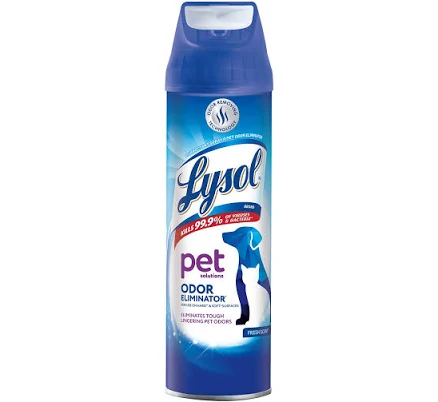
Lysol Pet Odor Eliminator Spray Sanitizing and Disinfecting Spray for Pet Odor (Pack
Lower concern for PFAS based on material as recorded.
Lysol Pet Odor Eliminator Spray is a liquid spray. Material as recorded does not include materials linked to PFAS. The brand has no PFAS statement on record.
We flunk more products than we pass. This one earned its grade. How we grade
Material
liquid spray (water, surfactants, fragrance)
Lab data
No public lab test
You may also be interested in
Top-graded picks in the categories readers replace first, every one scored on the same rubric.

Aqua Pure
3M Aqua-Pure AP802B Whole House Filter Housing
- polypropylene filter housing, carbon/sediment cartridge
- We found no PFAS statement from the brand
- Bacterial growth in spent cartridges
3 hazards checked on this product. See all of them.

Aquasure
Premier Series 75 GPD Under Sink Reverse Osmosis Water Filtration System
- RO membrane, carbon filters, stainless steel housing
- We found no PFAS statement from the brand
- Bacterial and microbial growth in housing and filters
4 hazards checked on this product. See all of them.

Avocado
Vegan Mattress
- organic cotton, natural latex, coconut coir, recycled steel coils
- The brand calls it PFAS-free, which we have not verified
- Heavy metals
2 hazards checked on this product. See all of them.
What Lysol Pet Odor Eliminator Spray is made of, ingredients and materials
Lysol Pet Odor Eliminator is a water-based spray containing surfactants, fragrance, and active antimicrobial agents (typically alkyl dimethyl benzyl ammonium saccharinate in Lysol products). Water-based sprays applied to furniture present lower dermal and inhalation risk than aerosol formats because application is localized and drying occurs on fabric surfaces rather than creating airborne mist. The formula does not rely on Teflon-type coating or ceramics, eliminating polymer degradation and leaching concerns typical of heated cookware.
What’s concerning
Category baseline
The starting point for this type of product, before anything specific to this product is counted.
No PFAS disclosure
No public statement from the brand about PFAS in this product.
Inhalation of surfactants and fragrances
Spray application in enclosed spaces can produce fine aerosol particles. While Lysol products meet EPA safety thresholds for indoor use, repeated or prolonged inhalation in poorly ventilated rooms may trigger respiratory irritation, particularly in children, pets, or individuals with asthma.
Fragrance allergens
Lysol sprays contain proprietary fragrance blends that can include common allergens such as limonene and other volatile organics. Sensitive individuals or those with fragrance-induced asthma should avoid direct exposure or use only in well-ventilated spaces.
Pet toxicity from ingestion or contact
Quaternary ammonium compounds (active ingredient in most Lysol formulations) are skin irritants and can cause gastrointestinal upset if pets ingest residue from treated surfaces before the product dries completely. Risk is low with standard use but increases if pets have direct contact with wet spray.
Fabric degradation or discoloration
Water-based sprays applied in high concentration or to delicate fabrics (silk, velvet) may cause water spotting, color bleeding, or weakening of fibers over time. This is a cosmetic rather than health hazard but affects product value.
Bacterial regrowth if misused
If furniture is sprayed but not allowed to dry fully, or if sprayed repeatedly in short intervals, the damp environment can promote mold or bacterial colonization beneath the fabric surface, potentially creating odor and pathogen problems rather than solving them.
What’s reassuring
Base material not linked to PFAS
The main material recorded for this product is not one associated with PFAS.
The full breakdown
The brand's record and disclosure
Lysol (Reckitt Benckiser) has faced scrutiny over misleading disinfectant claims but maintains product registration with the EPA, indicating ingredient disclosure to regulators. The brand has not published public statements on PFAS content or intentional use in this product line. No major recalls specific to this product formulation have been recorded, though Lysol faced criticism in 2020 for overstating COVID-19 efficacy claims.
How it compares in its category
Spray disinfectants occupy a middle ground in furniture care, solvent-based upholstery cleaners carry higher VOC and formaldehyde concerns, while spray disinfectants require proper ventilation unlike solid air fresheners. Pet-targeted formulations are common; this product is functionally equivalent to standard Lysol spray with added enzymatic or odor-neutralizing agents. Alternatives like enzymatic pet sprays or baking soda-based products carry negligible chemical risk but may be less effective against pathogens.
If you buy it
Apply in well-ventilated areas and allow fabric to dry fully before contact with pets or children; do not saturate upholstery as excess moisture promotes mold and bacterial growth. Test on inconspicuous fabric first to check for discoloration or staining. Store in cool conditions away from direct sunlight and heat sources. Replace if the spray mechanism fails or if the product separates, which may indicate chemical degradation.
What we don’t know
- Basis
- Model estimate, 72% confidence, not a lab result
- Lab test
- None on record for this exact product
- Brand statement
- Lysol has made a specific claim
Formulations change between production runs, so check the current label. How we grade.
More outdoor furniture cushion protectants grades
How we score, every product runs through the same public 0-100 rubric based on materials, coatings, brand disclosure, lab findings, and recalls. See the full methodology → Spotted a mistake? Report an error.