Lysol · Outdoor Furniture Cushion Protectants
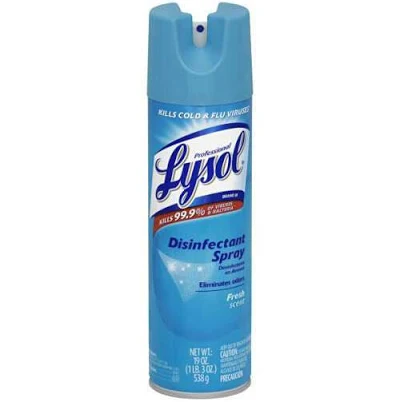
Lysol Professional Disinfectant Spray
Disinfectant spray with no fluorinated ingredient on record, and no PFAS statement from the brand.
Lysol Professional Disinfectant Spray is an aqueous spray typically based on alcohol and active ingredients in water. The base material as recorded is not linked to PFAS. The brand has no PFAS statement on record.
We flunk more products than we pass. This one earned its grade. How we grade
Material
aqueous disinfectant spray, typically alcohol and active ingredients in water
Lab data
No public lab test
You may also be interested in
Top-graded picks in the categories readers replace first, every one scored on the same rubric.

Aqua Pure
3M Aqua-Pure AP802B Whole House Filter Housing
- polypropylene filter housing, carbon/sediment cartridge
- We found no PFAS statement from the brand
- Bacterial growth in spent cartridges
3 hazards checked on this product. See all of them.

Aquasure
Premier Series 75 GPD Under Sink Reverse Osmosis Water Filtration System
- RO membrane, carbon filters, stainless steel housing
- We found no PFAS statement from the brand
- Bacterial and microbial growth in housing and filters
4 hazards checked on this product. See all of them.

Avocado
Vegan Mattress
- organic cotton, natural latex, coconut coir, recycled steel coils
- The brand calls it PFAS-free, which we have not verified
- Heavy metals
2 hazards checked on this product. See all of them.
What Lysol Professional Disinfectant Spray is made of, ingredients and materials
Lysol Professional Disinfectant Spray is an aqueous formulation typically containing 79% ethyl alcohol as the active disinfectant, plus water and inert ingredients; no Teflon-type coating (Teflon), ceramic coatings, or metal-leaching bases are involved. The spray format means active ingredients remain on furniture surfaces rather than being absorbed into materials. Ethanol volatilizes quickly, leaving minimal residue once dry. The primary exposure route is inhalation during spraying, not ingestion or dermal absorption from treated surfaces.
What’s concerning
Category baseline
The starting point for this type of product, before anything specific to this product is counted.
No PFAS disclosure
No public statement from the brand about PFAS in this product.
Inhalation exposure (ethanol vapors and spray mist)
Trigger-spray format generates fine mist; ethanol vapor inhalation during application may cause respiratory irritation, dizziness, or headache in poorly ventilated spaces or with repeated, prolonged spraying.
Skin and eye irritation from direct contact
High ethanol content (79%) can irritate skin or eyes if sprayed directly; product labeling advises avoiding contact and washing skin if exposed.
Ingestion risk (household children or pets)
Ethanol and antimicrobial actives are toxic if swallowed in quantity; spray bottles must be stored out of reach of children and pets, with clear labeling.
What’s reassuring
Base material not linked to PFAS
The main material recorded for this product is not one associated with PFAS.
Volatile organic compound (VOC) off-gassing
Ethanol is a VOC, but it volatilizes rapidly (minutes) and does not persist as a furniture off-gas risk unlike formaldehyde or flame-retardant resins in upholstery or coatings.
Flame retardants
Lysol Professional spray does not contain added flame retardants or persistent chemical coatings; residue is primarily mineral salts and trace actives that dissipate with air circulation.
Source, EPA ↗The full breakdown
The brand's record and disclosure
Lysol (Reckitt Benckiser) has not disclosed specific PFAS content in this product line and maintains silent stance on per- and polyfluoroalkyl compounds in household disinfectants. The brand has faced no major recalls or safety violations specific to Lysol Professional spray in recent years. Lysol holds EPA approval as an antimicrobial disinfectant, meeting regulatory standards for efficacy and listed active ingredients, though EPA registration does not guarantee disclosure of all formulation details.
How it compares in its category
Lysol Professional spray is a mainstream, alcohol-based disinfectant typical of the aerosol/trigger-spray market; alternatives include vinegar solutions, hydrogen peroxide sprays, or quaternary ammonium (quat)-based products. Alcohol formulations evaporate faster and leave less residue than quat-based sprays, reducing risk of buildup or skin contact after drying. It is less volatile than aerosol cans, reducing inhalation exposure per use, though trigger sprays still generate fine mist during application.
If you buy it
Always spray in a well-ventilated room or outdoors; do not spray on or near furniture where people will immediately sit or lie down. Allow 10-15 minutes for complete evaporation before contact. Avoid spraying directly on upholstered textiles if possible; test on a hidden corner first to check for color fading or water staining. Do not spray near food, toys, or pet bedding. Keep bottle sealed when not in use and replace if nozzle clogs or sprayer fails, as this can trap liquid inside.
What we don’t know
- Basis
- Model estimate, 78% confidence, not a lab result
- Lab test
- None on record for this exact product
- Brand statement
- Lysol has made a specific claim
Formulations change between production runs, so check the current label. How we grade.
More outdoor furniture cushion protectants grades
How we score, every product runs through the same public 0-100 rubric based on materials, coatings, brand disclosure, lab findings, and recalls. See the full methodology → Spotted a mistake? Report an error.