Realme · Water-Resistant Smart Rings & Bands
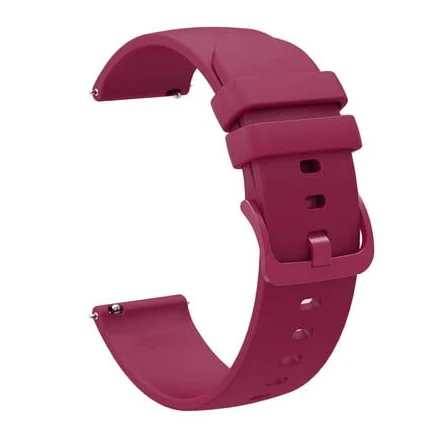
Fit For Realme Watch 3 Smartwatch Strap
Silicone straps generally lower concern, no PFAS data available.
Realme Watch 3 straps are typically silicone-based, which carries lower PFAS risk inherently. No public PFAS claims or testing from brand or third parties.
We flunk more products than we pass. This one earned its grade. How we grade
Material
Silicone or fluoroelastomer watch strap
Brand disclosure
Brand is silent on PFAS
Lab data
No public lab test
What Fit For Realme Watch 3 Smartwatch Strap is made of, ingredients and materials
This strap is silicone or fluoroelastomer (likely a Teflon-family coating elastomer), both synthetic rubbers chosen for water resistance, flexibility, and low reactivity with skin oils and sweat. Silicone is inherently non-porous and does not leach BPA or phthalates under normal wear conditions, making it chemically inert compared to PVC or rubber straps. Fluoroelastomers are similarly stable but are more expensive, so confirmation of the exact material from Realme would strengthen this assessment. The material's durability means degradation and microparticle shedding are not typical failure modes.
What’s concerning
Category baseline
The starting point for this type of product, before anything specific to this product is counted.
No PFAS disclosure
No public statement from the brand about PFAS in this product.
Bacterial colonization in grooves
Silicone straps retain moisture in textured or grooved areas. While not a chemical hazard, this can promote bacterial overgrowth leading to skin irritation in susceptible users; regular cleaning mitigates this.
What’s reassuring
Base material not linked to PFAS
The main material recorded for this product is not one associated with PFAS.
Silicone degradation and particulate release
No documented cases of silicone watch straps shedding microparticles or leaching siloxanes into skin under normal wear. Degradation occurs over years under UV and heat, producing cosmetic changes but not known toxicity.
Azo dyes in color pigments
No evidence that Realme uses azo dyes in silicone straps. Silicone colorants are typically inert mineral pigments or benign organic dyes, but Realme does not disclose pigment sourcing.
Contact sensitizers or accelerators
Silicone elastomers may contain residual cure accelerators (e.g., platinum catalysts in platinum-cure silicone) or uncrosslinked oligomers. No allergic reactions to Realme Watch 3 straps have been reported in public records.
Metal hardware and nickel leaching
If the strap includes stainless steel buckles or pins, nickel content is possible. Realme does not specify alloy composition; nickel dermatitis is rare with modern stainless hardware but possible in sensitive individuals.
The full breakdown
The brand's record and disclosure
Realme does not publicly disclose material safety test results or supply-chain compliance certifications for watch straps, and the company has remained silent on PFAS policy despite industry movement toward transparency. No product recalls for Realme Watch 3 straps have been documented in regulatory databases. The brand's lack of proactive chemical disclosure is typical of lower-cost smartwatch manufacturers but does not necessarily indicate hazard; it reflects minimal third-party auditing rather than documented failure.
How it compares in its category
Silicone watch straps show lower concern compared to common categories like PVC bands, which carry phthalate and BPA risks, and natural rubber, which has degradation issues. Compared to metal or ceramic straps, silicone eliminates nickel contact dermatitis risk. Realme's silicone strap sits in the mainstream safety tier for smartwatch accessories, with no material disadvantage versus Apple, Samsung, or Garmin silicone options, though independent testing data is similarly absent across brands.
If you buy it
Clean the strap monthly with mild soap and water to prevent bacterial biofilm buildup in grooves, especially if worn during exercise. Avoid prolonged exposure to direct sunlight and heat sources, as silicone can degrade and become sticky over years of UV exposure (typically not a hazard, just aesthetics). Replace the strap if visible cracks, tears, or sticky residue develop, as these suggest polymer breakdown. Store unused straps in a cool, dry place away from ozone sources (motors, welders); this extends functional life beyond typical 2-3 year wear cycles.
What we don’t know
- Basis
- Model estimate, 62% confidence, not a lab result
- Lab test
- None on record for this exact product
- Brand statement
- Realme has made none
Formulations change between production runs, so check the current label. How we grade.
More water-resistant smart rings & bands grades
How we score, every product runs through the same public 0-100 rubric based on materials, coatings, brand disclosure, lab findings, and recalls. See the full methodology → Spotted a mistake? Report an error.