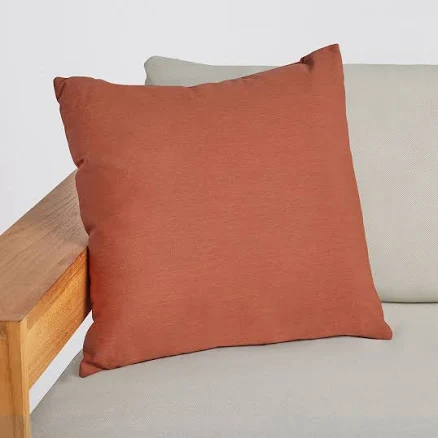
· Outdoor Furniture Cushion Protectants
Sunbrella Outdoor Pillow
Elevated PFAS concern from Sunbrella's water-repellent coating with zero brand transparency.
Sunbrella fabrics receive water and stain resistance treatment, historically done with PFAS coatings. The brand shares nothing about PFAS reformulation or testing.
The better-graded swap
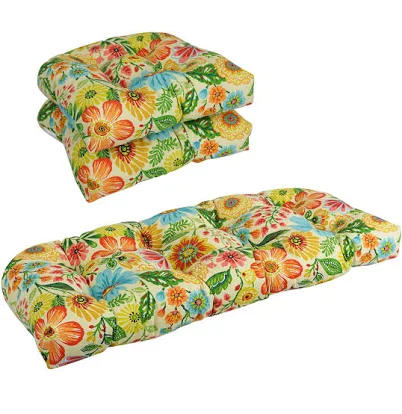
Blazing Needles
Blazing Needles U-Shaped Patterned Spun Polyester Tufted Settee Cushion Set
75/100 safety
Same rubric that flunked this product. The swap earned Excellent.
Still want this one anyway? Check the price on Amazon. We’d swap it.
Material
Sunbrella acrylic fabric with water-repellent coating treatment
Brand disclosure
Brand is silent on PFAS
Lab data
No public lab test
What Sunbrella Outdoor Pillow is made of, ingredients and materials
Sunbrella acrylic fabric is a solution-dyed polyacrylic material known for UV and water resistance without relying on fabric backing treatments. The water-repellent coating (water-repellent coating) finish applied to achieve water shedding is the primary chemical concern, as Sunbrella has not publicly disclosed whether this coating uses PFAS-free chemistry or legacy fluorinated compounds. Acrylic fiber itself is stable and does not shed microplastics under normal outdoor use, unlike polyester or nylon alternatives.
What’s concerning
No PFAS disclosure
No public statement from the brand about PFAS in this product.
Category baseline
The starting point for this type of product, before anything specific to this product is counted.
Waterproof / stain-resistant treatment
Water-repellent coating treatments have historically used PFAS.
PFAS
Sunbrella's water-repellent coating formulation is not publicly disclosed; industry surveys have found PFAS in many acrylic outdoor fabrics. The brand's silence on this makes PFAS presence unconfirmed but consistent with market norms for this material class.
Source, ATSDR ↗Formaldehyde / VOCs
Water-repellent coating and mildew-resistance finishes can occasionally include formaldehyde releasers; The brand does not specify whether additional antimicrobial or wrinkle treatments are applied beyond the water-repellent coating.
Source, ATSDR ↗Degradation and leachables from cushion core
The pillow insert material (polyester fiberfill, memory foam, or down) is not specified in available product listings. If polyurethane foam, off-gassing of VOCs is possible during first weeks of use, especially in heat; this is not unique to this brand.
What’s reassuring
Heavy metals
Sunbrella acrylic is solution-dyed (color integrated during fiber production), which generally avoids azo dye and heavy metal contamination that occurs in surface-dyed textiles. No recalls or testing failures for this product or fabric line on record.
Source, FDA ↗Flame retardants
Acrylic fiber is inherently flame-resistant and does not require added flame retardant treatments. No indication this pillow has been treated with legacy brominated or chlorinated retardants.
Source, EPA ↗The full breakdown
The brand's record and disclosure
The brand has not published material safety data sheets, chemical transparency reports, or third-party certifications (such as Oeko-Tex or GOTS) for this pillow. The brand does not publicly commit to PFAS-free sourcing or supply chain audits. Sunbrella (the fabric supplier, owned by Glen Raven) similarly provides no consumer-facing disclosure on water-repellent coating chemistry, making independent verification impossible without direct contact.
How it compares in its category
Most outdoor pillows use either Sunbrella acrylic (de facto industry standard for durability) or polyester with polyurethane backing; this product is typical in material choice but below average in transparency. Competitors like Pottery Barn and West Elm occasionally provide certifications or PFAS reduction statements; The brand does not. Price point suggests mid-to-premium positioning, which does not correlate with disclosure practices here.
If you buy it
Rinse with fresh water after saltwater or heavy rain exposure to prevent salt or mineral buildup, which can degrade the water-repellent coating over 3-5 years. Store dry indoors during off-season to extend fabric life; avoid pressure washing or bleach, which strips water repellency. Replace the pillow if the cover shows tears, fading unevenly (sign of UV damage to the acrylic), or water no longer beads on the surface. Do not assume water-repellent coating re-treatment products contain no fluorochemicals; many legacy spray-on renewers still use them.
What we don’t know
- Basis
- Model estimate, 55% confidence, not a lab result
- Lab test
- None on record for this exact product
- Brand statement
- has made none
Formulations change between production runs, so check the current label. How we grade.
Better-graded alternatives in Outdoor Furniture Cushion Protectants
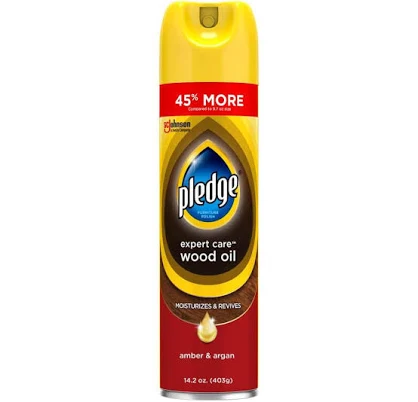
Pledge
14.2 oz. Amber and Argan Scent Furniture Moisturizing Oil
- mineral oil, argan oil blend
- We found no PFAS statement from the brand
- Fragrance allergens and undisclosed components
4 hazards checked on this product. See all of them.
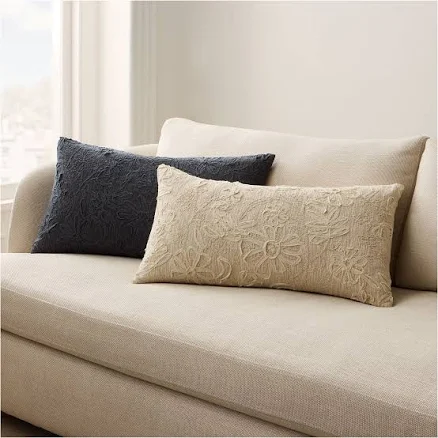
West Elm
Cut Garden Flowers Pillow Cover
- 100% cotton canvas
- Azo dyes and dye contamination
3 hazards checked on this product. See all of them.
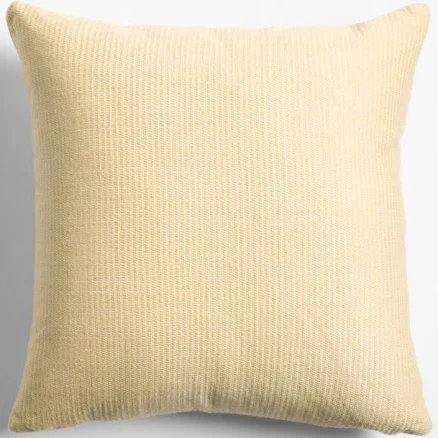
Crate and Barrel
Crate & Barrel Surya Yellow Throw Pillow
- Polyester, cotton, or cotton-blend fabric with standard dyes
- We found no PFAS statement from the brand
- Azo dyes and color migration
3 hazards checked on this product. See all of them.
More outdoor furniture cushion protectants grades
How we score, every product runs through the same public 0-100 rubric based on materials, coatings, brand disclosure, lab findings, and recalls. See the full methodology → Spotted a mistake? Report an error.