Skagen · Water-Resistant Smart Rings & Bands
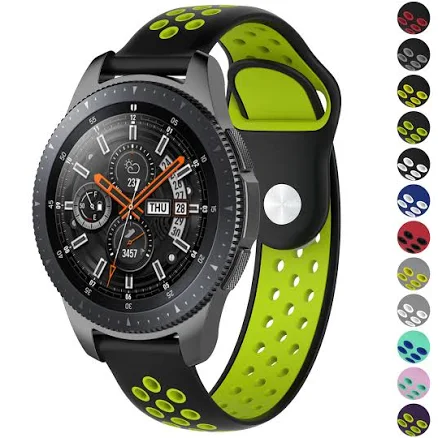
Skagen Falster 2 Perforated Rubber Strap
Rubber strap unlikely high-risk, but no brand PFAS transparency available.
Perforated rubber watch straps don't typically need PFAS-based chemicals. Skagen hasn't publicly stated anything about PFAS use or testing for this strap.
The better-graded swap
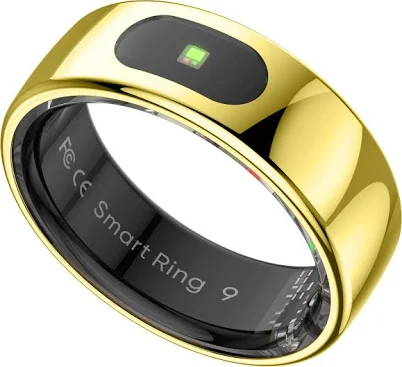
IMIKI
IMIKI Smart Ring
85/100 safety
Same rubric that flunked this product. The swap earned Excellent.
Still want this one anyway? Check the price on Amazon. We’d swap it.
Material
rubber strap, perforated
Brand disclosure
Brand is silent on PFAS
Lab data
No public lab test
You may also be interested in
Top-graded picks in the categories readers replace first, every one scored on the same rubric.

Aqua Pure
3M Aqua-Pure AP802B Whole House Filter Housing
- polypropylene filter housing, carbon/sediment cartridge
- We found no PFAS statement from the brand
- Bacterial growth in spent cartridges
3 hazards checked on this product. See all of them.

Aquasure
Premier Series 75 GPD Under Sink Reverse Osmosis Water Filtration System
- RO membrane, carbon filters, stainless steel housing
- We found no PFAS statement from the brand
- Bacterial and microbial growth in housing and filters
4 hazards checked on this product. See all of them.

Avocado
Vegan Mattress
- organic cotton, natural latex, coconut coir, recycled steel coils
- The brand calls it PFAS-free, which we have not verified
- Heavy metals
2 hazards checked on this product. See all of them.
What Skagen Falster 2 Perforated Rubber Strap is made of, ingredients and materials
This is a perforated rubber strap, likely synthetic rubber (elastomer) with air holes for breathability and moisture management. Rubber straps have low migration potential compared to coated or painted textiles because rubber does not dissolve in sweat or water at normal wear temperatures. The perforations reduce surface contact with skin, further limiting any chemical exposure risk from the material itself.
What’s concerning
No PFAS disclosure
No public statement from the brand about PFAS in this product.
Category baseline
The starting point for this type of product, before anything specific to this product is counted.
Formaldehyde / VOCs
Manufacturing of synthetic rubber may involve formaldehyde as a cross-linking agent or processing aid. Residual formaldehyde is unlikely to leach significantly into sweat under normal conditions, but no third-party testing of this specific product is publicly available.
Source, ATSDR ↗Bacterial or mold growth from moisture retention
Perforated rubber straps can trap moisture in crevices, potentially fostering bacterial or mold growth if not cleaned regularly. This is a hygiene concern rather than a chemical hazard; regular washing mitigates it entirely.
What’s reassuring
Base material not linked to PFAS
The main material recorded for this product is not one associated with PFAS.
Azo dyes in rubber coloring
No recalls or public testing data exist for Skagen rubber straps specifically. Synthetic rubber is typically dyed with azo colorants during manufacturing; restricted azo dyes (carcinogenic amines) are prohibited in EU textiles, but watch straps are not textiles and face less stringent dye regulation.
Heavy metals
Rubber straps may contain cadmium or lead in pigments for darker colors. No documented cases link Skagen rubber straps to metal leaching; risk is minimal given rubber's low solubility and the brief contact time during normal wear.
Source, FDA ↗Antimony in rubber additives
Antimony trioxide is used as a flame retardant in some synthetic rubbers. No public disclosure exists for this strap's antimony content. Risk of skin absorption from a rubber strap is extremely low compared to textiles that sit directly against the body for extended periods.
The full breakdown
The brand's record and disclosure
Skagen (owned by Fossil Group) does not publicly disclose detailed chemical composition or PFAS testing results for watch straps. The brand has not faced major recalls or documented chemical safety controversies specific to rubber straps. Fossil Group signed the ZDHC Gateway program, indicating some commitment to supply-chain chemical management, but granular transparency on finished accessories remains limited.
How it compares in its category
Rubber watch straps present lower concern than leather straps (which may contain chromium or other tanning residues) or polyurethane straps (which can off-gas volatile organics). Perforated rubber is a mid-tier material choice for wearables, prioritizing comfort and washability over luxury feel. Most major watch brands use similar synthetic rubber for sport and casual straps without reported chemical safety issues.
If you buy it
Rinse the strap with lukewarm water and mild soap weekly to remove sweat and bacteria buildup. Avoid prolonged exposure to direct sunlight, chlorine, or extreme heat, which can degrade rubber over years of use. Replace the strap if it becomes sticky, develops cracks, or visibly deteriorates; typical lifespan is 2-4 years depending on wear frequency. Store out of direct heat when not in use.
What we don’t know
- Basis
- Model estimate, 72% confidence, not a lab result
- Lab test
- None on record for this exact product
- Brand statement
- Skagen has made none
Formulations change between production runs, so check the current label. How we grade.
More water-resistant smart rings & bands grades
How we score, every product runs through the same public 0-100 rubric based on materials, coatings, brand disclosure, lab findings, and recalls. See the full methodology → Spotted a mistake? Report an error.