Skagen · Water-Resistant Smart Rings & Bands
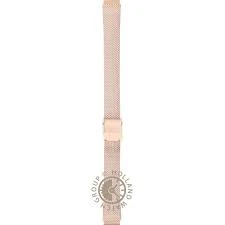
Skagen Ladies Freja Strap
Lower concern. Leather straps rarely treated with PFAS, but verify tannery practices.
Skagen's leather watch straps carry minimal typical PFAS risk unless finished with water-resistant coatings. The brand discloses nothing about PFAS or treatment chemicals used.
The better-graded swap

RingConn
RingConn Gen 3 Smart Ring
85/100 safety
Same rubric that flunked this product. The swap earned Excellent.
Still want this one anyway? Check the price on Amazon. We’d swap it.
Material
Leather strap, typical construction
Brand disclosure
Brand is silent on PFAS
Lab data
No public lab test
You may also be interested in
Top-graded picks in the categories readers replace first, every one scored on the same rubric.

Aqua Pure
3M Aqua-Pure AP802B Whole House Filter Housing
- polypropylene filter housing, carbon/sediment cartridge
- We found no PFAS statement from the brand
- Bacterial growth in spent cartridges
3 hazards checked on this product. See all of them.

Aquasure
Premier Series 75 GPD Under Sink Reverse Osmosis Water Filtration System
- RO membrane, carbon filters, stainless steel housing
- We found no PFAS statement from the brand
- Bacterial and microbial growth in housing and filters
4 hazards checked on this product. See all of them.

Avocado
Vegan Mattress
- organic cotton, natural latex, coconut coir, recycled steel coils
- The brand calls it PFAS-free, which we have not verified
- Heavy metals
2 hazards checked on this product. See all of them.
What Skagen Ladies Freja Strap is made of, ingredients and materials
The Freja strap is leather, a natural protein polymer that requires tanning to prevent decomposition. Leather tanning processes use either chromium salts (chrome tanning, most common) or vegetable tannins, both of which are regulated in finished goods but can leave trace residues. The hazard depends entirely on tannery practice and post-tanning washing, not the material itself. Skagen does not publicly disclose tannery locations or tanning method for this product.
What’s concerning
Category baseline
The starting point for this type of product, before anything specific to this product is counted.
No PFAS disclosure
No public statement from the brand about PFAS in this product.
Lead
Leather tanning can leave trace heavy metals if post-tanning rinsing is incomplete. No specific test data exists for Skagen Freja straps, but this is a known risk across low-transparency tanneries, particularly those in regions with weaker environmental controls.
Source, ATSDR ↗Azo dyes and synthetic colorants
Leather straps are typically dyed using both natural and synthetic colorants. If synthetic azo dyes are used without proper reduction, degradation by sweat or friction could release toxic amines, though this is rare in finished goods from major brands.
Sensitizing compounds from tanning or finishing processes
Some individuals experience contact dermatitis from leather straps due to residual tanning chemicals or dyes, particularly if skin is sensitive or abraded. Risk is personal and unpredictable without dermatological testing.
Microorganism growth (mold, bacteria) if chronically damp
Leather is hygroscopic and can harbor microbial growth if not dried regularly, especially in humid climates. This is a use-condition hazard, not a manufacturing one, but relevant to safety.
What’s reassuring
Base material not linked to PFAS
The main material recorded for this product is not one associated with PFAS.
Formaldehyde / VOCs
Leather does not require formaldehyde for preservation in the way textiles sometimes do; tanning itself preserves the protein. No evidence suggests Skagen applies additional formaldehyde-releasing biocides to this strap.
Source, ATSDR ↗The full breakdown
The brand's record and disclosure
Skagen (owned by Fossil Group since 2001) does not maintain public certifications for leather goods (such as Leather Working Group environmental ratings) or explicit chemical disclosure statements for watch straps. No product recalls or heavy-metal contamination reports are on record for this strap model. The parent company publishes general sustainability commitments but does not provide tannery-specific transparency for individual products.
How it compares in its category
Leather watch straps are generally lower-risk than synthetic polymers (which can leach plasticizers) or treated textiles (which may retain dyes or finishes). Skagen's leather is conventional, not certified organic or sustainable-source, placing it in the mainstream segment without additional traceability. Competitors such as Timex and Seiko offer similar leather straps with equivalent disclosure gaps.
If you buy it
Keep the strap dry to prevent mold growth and tannery-chemical leaching into sweat. Avoid prolonged heat exposure (direct sun or saunas), which can accelerate leather degradation and chemical migration. Clean occasionally with a soft, damp cloth; do not use harsh detergents. Replace if the strap shows cracks, discoloration, or odor changes, which may indicate tannery residue breakdown or microbial colonization.
What we don’t know
- Basis
- Model estimate, 72% confidence, not a lab result
- Lab test
- None on record for this exact product
- Brand statement
- Skagen has made none
Formulations change between production runs, so check the current label. How we grade.
More water-resistant smart rings & bands grades
How we score, every product runs through the same public 0-100 rubric based on materials, coatings, brand disclosure, lab findings, and recalls. See the full methodology → Spotted a mistake? Report an error.