Swatch · Water-Resistant Smart Rings & Bands
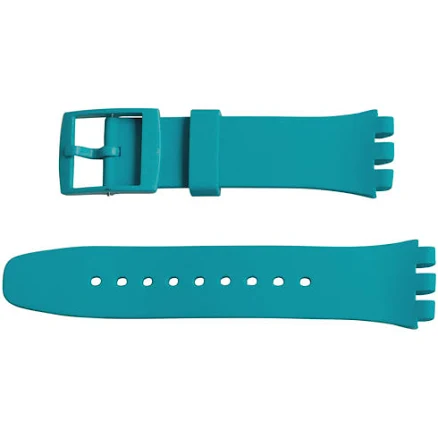
Swatch ASUSL400 Strap
Typical fabric strap with no PFAS-indicating treatment signals.
Fabric strap is standard textile without water-resistant or stain finishes. Swatch makes no PFAS disclosure but material suggests lower risk.
The better-graded swap
RingConn
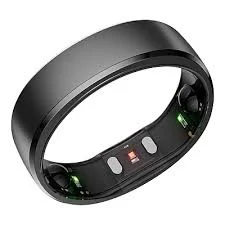
RingConn Gen 2 Smart Ring
85/100 safety
Same rubric that flunked this product. The swap earned Excellent.
Still want this one anyway? Check the price on Amazon. We’d swap it.
Material
Fabric strap, likely polyester or cotton blend
Brand disclosure
Brand is silent on PFAS
Lab data
No public lab test
What Swatch ASUSL400 Strap is made of, ingredients and materials
The Swatch ASUSL400 strap is a fabric-based watch band, likely a polyester or polyester-cotton blend typical of casual sports watches. Fabric straps avoid the metal allergy and nickel leaching concerns of steel bands, and polyester-blend construction is inherently resistant to moisture and UV degradation. The textile is unlikely to contain reactive coatings or finishes that would release volatile compounds during normal wear.
What’s concerning
Category baseline
The starting point for this type of product, before anything specific to this product is counted.
No PFAS disclosure
No public statement from the brand about PFAS in this product.
Microplastics
Polyester and polyester-blend fabrics shed microfibers over time, particularly during washing or if fraying occurs. A watch strap has limited wash frequency and direct contact area compared to clothing, so environmental release is minimal, but microplastic generation is inherent to the material.
Source, EPA ↗Allergic contact dermatitis from dyes or finishing agents
Individual sensitivity to textile dyes or residual sizing agents is rare but documented; risk is highest in the first few wears. Mild pre-wash or patch-test wear on inner wrist can mitigate. No recalls or pattern of complaints for Swatch straps are on record.
Bacterial and mold growth in damp strap
Fabric straps worn against skin accumulate sweat and salt. If not dried regularly or stored wet, bacterial and fungal growth can occur, causing odor or localized skin irritation. This is a hygiene issue, not a chemical one, but preventable with routine care.
What’s reassuring
Base material not linked to PFAS
The main material recorded for this product is not one associated with PFAS.
Azo dyes (non-compliant color fastness)
EU textile regulations prohibit certain azo dyes since 2002; Swatch products sold in the EU are assumed compliant. No recalls or testing data for the ASUSL400 suggests azo-dye contamination is not a documented concern.
Formaldehyde / VOCs
Low-cost polyester blends may contain trace formaldehyde from resin bonding agents. Swatch products meet EU limits (under 75 ppm for apparel), and fabric straps are not typically treated with high-formaldehyde finishes. No specific test data is available for this model.
Source, ATSDR ↗The full breakdown
The brand's record and disclosure
Swatch is a mainstream consumer watch brand owned by the Swatch Group; it does not publish detailed material safety or chemical disclosure statements for individual strap products. The company has no documented major recalls or controversies specific to fabric straps. As a Swiss-based manufacturer, products are subject to EU textile regulations, which limit certain azo dyes and formaldehyde levels, though Swatch does not highlight compliance publicly.
How it compares in its category
Fabric watch straps are among the lowest-chemical-concern options in the wearable textiles category; they avoid the flame retardant treatments and dye complexity of heavy apparel. Mass-market brands like Swatch typically use standardized, commodity polyester blends that meet baseline EU and North American textile standards. Custom or performance-oriented fabric straps (e.g., high-performance athletic or treated antimicrobial versions) carry slightly higher processing chemical loads, but the ASUSL400 appears to be a standard leisure strap.
If you buy it
Wash the strap occasionally with mild soap and water to prevent sweat salt and bacteria accumulation, especially if worn daily in warm weather. Avoid prolonged soaking or machine washing, which can loosen seams. Replace if fabric shows fraying, thinning, or water-resistance loss (typically 1-3 years of regular wear). Store in a dry location to prevent mildew if you remove the watch for extended periods.
What we don’t know
- Basis
- Model estimate, 72% confidence, not a lab result
- Lab test
- None on record for this exact product
- Brand statement
- Swatch has made none
Formulations change between production runs, so check the current label. How we grade.
More water-resistant smart rings & bands grades
How we score, every product runs through the same public 0-100 rubric based on materials, coatings, brand disclosure, lab findings, and recalls. See the full methodology → Spotted a mistake? Report an error.