Swatch · Water-Resistant Smart Rings & Bands
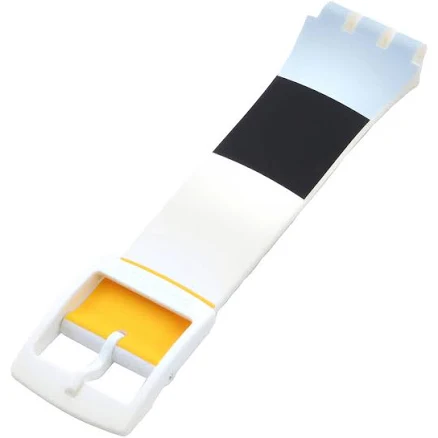
Swatch Multicolor Silicone Strap 12H, Silicone Strap in Multicolor
Silicone strap material is not linked to PFAS, with no brand statement on record.
The strap is silicone elastomer, a material not associated with PFAS. Swatch has no PFAS statement on record for this product. No certifications or lab data are available.
The better-graded swap
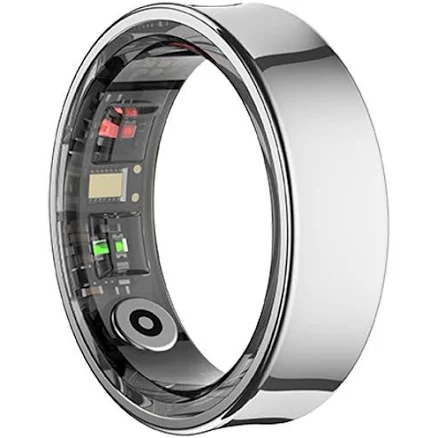
Smart Ring 3 Standard with 1 Charging Case
85/100 safety
Same rubric that flunked this product. The swap earned Excellent.
Still want this one anyway? Check the price on Amazon. We’d swap it.
Material
silicone elastomer strap
Brand disclosure
Brand is silent on PFAS
Lab data
No public lab test
What Swatch Multicolor Silicone Strap 12H is made of, ingredients and materials
This Swatch strap is silicone elastomer, a synthetic rubber polymer that is chemically stable and resistant to leaching at normal wear temperatures. Silicone does not contain the volatile organic compounds (VOCs) or formaldehyde resins found in some textile dyes or coatings, nor does it degrade into microplastics under typical wrist-wear stress. The multicolor finish suggests pigments embedded in or applied to the silicone base; color stability and pigment safety depend on manufacturing controls that Swatch does not publicly detail.
What’s concerning
Category baseline
The starting point for this type of product, before anything specific to this product is counted.
No PFAS disclosure
No public statement from the brand about PFAS in this product.
Lead
Multicolor silicone straps rely on embedded or surface-applied dyes and pigments. Swatch does not disclose pigment source or heavy metal testing; inorganic pigments (especially reds, yellows, and oranges) historically carry cadmium or lead risk, though modern suppliers typically avoid these. Risk is low during normal wear but cannot be ruled out without manufacturer data.
Source, ATSDR ↗Azo dye allergens and skin sensitization
If the multicolor finish uses azo-class synthetic dyes rather than pigments, certain individuals (especially those with sensitive skin) could experience contact dermatitis. Swatch does not specify dye chemistry; azo dyes are still used in some mass-market silicone products despite restrictions in Europe.
Bacterial or mold growth in strap material
Silicone itself does not harbor bacteria, but the textured surface of a strap can trap sweat, oils, and moisture at the skin interface if not regularly cleaned. This is a maintenance issue rather than a material hazard but is more pronounced in straps worn continuously without removal.
Coating separation or degradation over time
If the multicolor finish is a separate coating layer applied to a base silicone core, mechanical wear or UV exposure could cause flaking or separation. Ingestion risk is minimal for a wrist strap, but cosmetic and functional integrity may decline faster than solid-color silicone.
What’s reassuring
Base material not linked to PFAS
The main material recorded for this product is not one associated with PFAS.
VOC or odor from silicone processing
Food-grade and medical-grade silicone can off-gas trace volatile compounds during initial use. Watch straps are lower-concern than kitchen silicone, and no public complaints or testing specific to Swatch straps have surfaced; odor, if present, typically fades within days.
The full breakdown
The brand's record and disclosure
Swatch is a major Swiss watch manufacturer with no publicized recalls or safety incidents related to silicone straps. The company does not publish material safety data sheets, banned substance lists, or third-party certifications for watch straps, making independent verification of dye safety or heavy metals in pigments impossible. Swatch maintains silence on both PFAS and broader chemical disclosure, a pattern consistent with many fashion-adjacent brands that lack supply-chain transparency.
How it compares in its category
Silicone straps have lower concern than leather (which may contain chromium or other tanning residues), textile straps (which often carry azo dyes or formaldehyde resins), or metal bracelets (which can release nickel). Silicone's inert chemistry and resistance to sweat and heat make it a lower-risk material for prolonged skin contact compared to coated fabrics or dyed textiles. The main trade-off is that colorfast pigments and dye stability remain unverified by Swatch.
If you buy it
Rinse the strap occasionally with mild soap and water to remove sweat and bacteria buildup; silicone does not absorb moisture and dries quickly. Avoid prolonged exposure to direct sunlight or extreme heat (above 80 degrees Celsius) which can accelerate pigment fading, though structural integrity of silicone remains intact at normal body temperature. If the strap shows cracks, tears, or color bleeding onto skin, discontinue use and replace. Swatch straps are designed to be interchangeable, so replacement is straightforward.
What we don’t know
- Basis
- Model estimate, 72% confidence, not a lab result
- Lab test
- None on record for this exact product
- Brand statement
- Swatch has made none
Formulations change between production runs, so check the current label. How we grade.
More water-resistant smart rings & bands grades
How we score, every product runs through the same public 0-100 rubric based on materials, coatings, brand disclosure, lab findings, and recalls. See the full methodology → Spotted a mistake? Report an error.