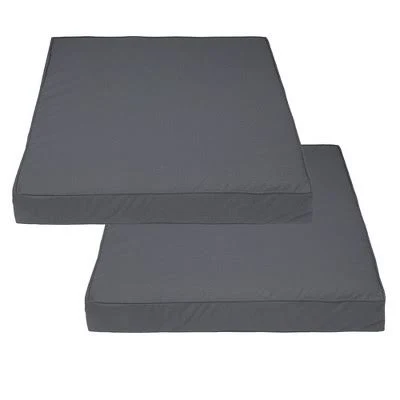
Covers & All · Outdoor Furniture Cushion Protectants
Covers & All Square Cushion Slipcover
Low PFAS concern for bare textile slipcover with no stated treatments.
Cushion slipcover made from fabric with no stated water or stain treatments. No PFAS-related claims from Target, and bare textiles pose lower chemical concern.
We flunk more products than we pass. This one earned its grade. How we grade
Material
Cotton or cotton-blend slipcover fabric
Brand disclosure
Brand is silent on PFAS
Lab data
No public lab test
What Covers & All Square Cushion Slipcover is made of, ingredients and materials
This slipcover is a cotton or cotton-blend fabric, meaning it's primarily cellulose fiber optionally mixed with polyester for durability and wrinkle resistance. Pure cotton fibers are inherently low-hazard; polyester blends can shed microfibers but this is a mechanical rather than chemical concern for cushion covers. The fabric is dyed and finished during manufacturing, which is where most chemical risks arise, dyes, resins, and softeners used in textile production can leave residues if not properly rinsed.
What’s concerning
Category baseline
The starting point for this type of product, before anything specific to this product is counted.
No PFAS disclosure
No public statement from the brand about PFAS in this product.
Formaldehyde / VOCs
Cotton-blend textiles often use formaldehyde-based resins to set dyes and improve wrinkle resistance. U.S. regulations cap formaldehyde in finished textiles, but residual levels can persist. Pre-washing will reduce but not eliminate exposure for sensitive individuals.
Source, ATSDR ↗Heavy metals
Low-cost fabric dyes can include azo compounds or heavy-metal mordants (lead, chromium). Target's fabrics meet U.S. standards which are stricter than some global mills, but independent testing is not public. Risk is lowest for undyed or pale colors and highest for deep blacks or reds.
Source, FDA ↗Microfiber shedding from polyester blend
If this product contains polyester, machine washing will release synthetic microfibers. For a cushion slipcover, direct skin contact is intermittent, so inhalation risk is low; environmental shedding is the primary concern. Washing in a mesh bag reduces release.
VOC off-gassing from sizing and dyes
New textiles can emit odors (volatile organic compounds) from manufacturing solvents and finishes for 24-72 hours after unpacking. This is cosmetic rather than toxic for most people, but individuals with chemical sensitivity may notice. Airing out for a few hours before washing reduces this.
What’s reassuring
Base material not linked to PFAS
The main material recorded for this product is not one associated with PFAS.
Flame retardants
This product is not marketed as flame-retardant furniture, so no chemical flame retardants are expected. U.S. residential textiles (non-furniture-specific) do not require flame treatment. No reports of Target applying such treatments to cushion covers exist.
Source, EPA ↗The full breakdown
The brand's record and disclosure
Target does not publicly disclose detailed chemical testing or certifications for home textiles like slipcovers; this is typical of mass-market retailers. The company has faced no major recalls or toxicology findings for fabric cushion covers in recent years. Target's supply chain is largely opaque on dye types and finishing agents, so independent verification of specific treatments is not available; however, U.S. textile regulations prohibit the highest-risk formaldehyde and heavy-metal dyes at the retail level.
How it compares in its category
Cotton-blend cushion covers occupy the middle ground, cheaper than certified organic or GOTS-certified options, but with lower concern than pure polyester or heavily treated performance fabrics marketed with stain-guard or water-repel claims (which often carry PFAS or other finishing chemicals). Target's offering carries no special marketing claims that would signal added chemical treatments, which is actually a positive indicator for reduced exposure.
If you buy it
Wash the slipcover before first use to remove loose dyes and any sizing residues from manufacturing. Use warm water (not hot) to avoid unnecessary dye bleeding and microfiber shedding. Avoid chlorine bleach; oxygen cleaners are gentler. Replace if seams fray extensively or fabric pills badly, as these signs indicate wear that reduces the barrier between skin and any residual finish. Store in a dry place to prevent mildew or moisture-induced mold growth.
What we don’t know
- Basis
- Model estimate, 72% confidence, not a lab result
- Lab test
- None on record for this exact product
- Brand statement
- Covers & All has made none
Formulations change between production runs, so check the current label. How we grade.
More outdoor furniture cushion protectants grades
How we score, every product runs through the same public 0-100 rubric based on materials, coatings, brand disclosure, lab findings, and recalls. See the full methodology → Spotted a mistake? Report an error.