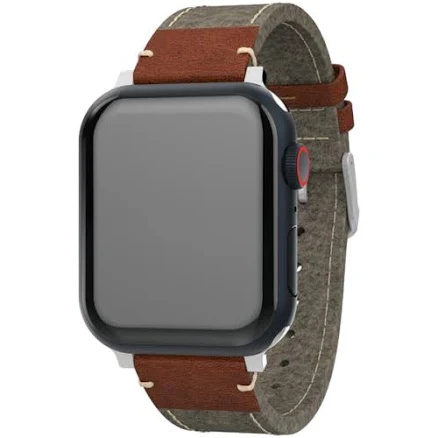
Timex · Water-Resistant Smart Rings & Bands
Timex Textile & Leather Apple Watch Watchband
Lower concern, but no transparency on finishes or treatments applied.
Timex hasn't publicly disclosed PFAS use or absence in this watchband. Textile and leather are naturally lower-risk, but unknown finishing treatments or dyes could introduce concern.
The better-graded swap
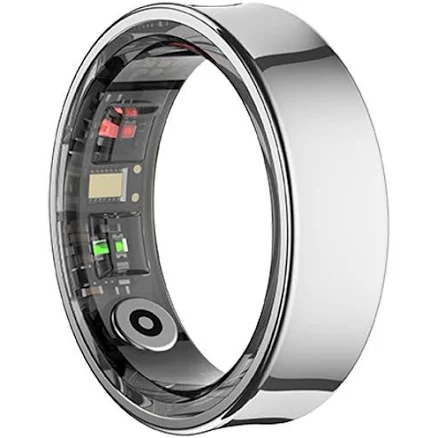
Smart Ring 3 Standard with 1 Charging Case
85/100 safety
Same rubric that flunked this product. The swap earned Excellent.
Still want this one anyway? Check the price on Amazon. We’d swap it.
Material
textile and leather
Brand disclosure
Brand is silent on PFAS
Lab data
No public lab test
You may also be interested in
Top-graded picks in the categories readers replace first, every one scored on the same rubric.

Aqua Pure
3M Aqua-Pure AP802B Whole House Filter Housing
- polypropylene filter housing, carbon/sediment cartridge
- We found no PFAS statement from the brand
- Bacterial growth in spent cartridges
3 hazards checked on this product. See all of them.

Aquasure
Premier Series 75 GPD Under Sink Reverse Osmosis Water Filtration System
- RO membrane, carbon filters, stainless steel housing
- We found no PFAS statement from the brand
- Bacterial and microbial growth in housing and filters
4 hazards checked on this product. See all of them.

Avocado
Vegan Mattress
- organic cotton, natural latex, coconut coir, recycled steel coils
- The brand calls it PFAS-free, which we have not verified
- Heavy metals
2 hazards checked on this product. See all of them.
What Timex Textile & Leather Apple Watch is made of, ingredients and materials
This band combines textile (likely cotton or polyester blend) with genuine leather. Textile fibers can be treated with formaldehyde-based resins during manufacturing for wrinkle resistance and dye fixation; leather tanning traditionally uses chromium salts, though quality varies by supplier. Neither material is inherently hazardous at consumer exposure levels, but finish treatments applied during production determine actual risk. Timex does not publicly specify which tanning method or dye processes its leather suppliers use.
What’s concerning
No PFAS disclosure
No public statement from the brand about PFAS in this product.
Category baseline
The starting point for this type of product, before anything specific to this product is counted.
Formaldehyde / VOCs
Textile components may contain formaldehyde-based resins used for dye fixation and shrink resistance. Timex does not disclose finish specifications; residual formaldehyde off-gassing is typically low in finished bands but possible during first few wears in unventilated storage.
Source, ATSDR ↗Heavy metals
Leather and textile dyeing can involve azo dyes (which break down into banned amines) and trace heavy metals (lead, cadmium in pigments). No test data is public for Timex products; quality depends on tannery and dye supplier vetting, which Timex does not disclose.
Source, FDA ↗Allergens in leather and dyes
Individuals with nickel sensitivity or fragrance/chemical sensitivities may react to tanning residues or dye auxiliaries. Timex provides no allergen warnings or patch-test data; risk is individual-dependent rather than product-specific.
What’s reassuring
Base material not linked to PFAS
The main material recorded for this product is not one associated with PFAS.
Chromium exposure from leather tanning
Leather tanning residues (typically hexavalent chromium from older processes or trivalent chromium from modern methods) can leach with sweat exposure. No recalls or incidents reported for Timex leather bands; modern tanneries generally use trivalent chromium, which poses lower risk than hexavalent forms.
Microfiber shedding from textile wear
Textile bands may shed fibers with friction or washing, but no toxicological concern arises from wearing a shedding watchband directly on skin. Risk is negligible compared to shedding from apparel worn against skin for hours.
The full breakdown
The brand's record and disclosure
Timex is a heritage watch manufacturer with no documented product recalls related to band toxicity or hazardous coatings. The company provides limited transparency on material sourcing and chemical treatments applied to accessories; no third-party certifications (e.g., Oeko-Tex, LWG) are publicly listed for this product line. Timex's silence on PFAS in finishes is consistent with industry-wide lack of disclosure for watchbands, but reflects minimal proactive testing or communication.
How it compares in its category
Textile-leather bands occupy a middle ground, they avoid synthetic polymer coatings (which carry Teflon-type coating and flame-retardant risks) but depend on chemical finishing for durability and appearance. Compared to pure silicone or rubber bands, this material is less prone to off-gassing but requires more careful sourcing verification. Compared to branded fashion watch bands, Timex's watchband lacks eco-certifications that competitors like Horween-tanned leather options offer.
If you buy it
Avoid prolonged exposure to heat (above 60 degrees Celsius) to prevent dye migration or leather shrinkage. Wash hands after new band use for the first few days to minimize residual dye transfer. Replace the band every 2-3 years if worn daily, as leather degrades with sweat and UV exposure. Store in a cool, dry place away from direct sunlight to slow leather oxidation and fading.
What we don’t know
- Basis
- Model estimate, 72% confidence, not a lab result
- Lab test
- None on record for this exact product
- Brand statement
- Timex has made none
Formulations change between production runs, so check the current label. How we grade.
More water-resistant smart rings & bands grades
How we score, every product runs through the same public 0-100 rubric based on materials, coatings, brand disclosure, lab findings, and recalls. See the full methodology → Spotted a mistake? Report an error.