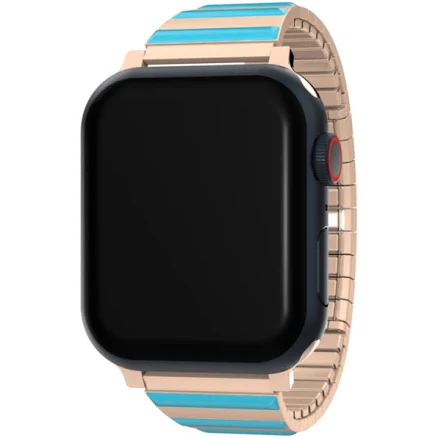
Timex · Water-Resistant Smart Rings & Bands
Timex Women's Apple Watch Band
Lower concern. Typical watch band elastomer unlikely to contain PFAS.
Timex Apple Watch bands are typically silicone or rubber with no disclosed water-repellent treatment. No public PFAS claims or independent testing is available.
The better-graded swap
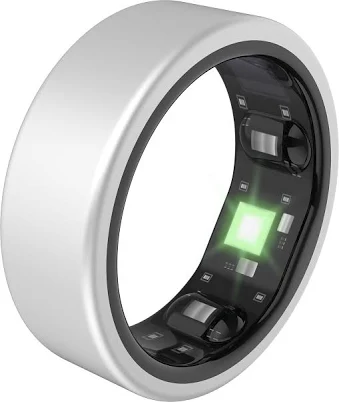
QALO
QALO QRNT Original Smart Ring with Health Tracker
85/100 safety
Same rubric that flunked this product. The swap earned Excellent.
Still want this one anyway? Check the price on Amazon. We’d swap it.
Material
Silicone or elastomer, likely no water-repellent coating
Brand disclosure
Brand is silent on PFAS
Lab data
No public lab test
You may also be interested in
Top-graded picks in the categories readers replace first, every one scored on the same rubric.

Aqua Pure
3M Aqua-Pure AP802B Whole House Filter Housing
- polypropylene filter housing, carbon/sediment cartridge
- We found no PFAS statement from the brand
- Bacterial growth in spent cartridges
3 hazards checked on this product. See all of them.

Aquasure
Premier Series 75 GPD Under Sink Reverse Osmosis Water Filtration System
- RO membrane, carbon filters, stainless steel housing
- We found no PFAS statement from the brand
- Bacterial and microbial growth in housing and filters
4 hazards checked on this product. See all of them.

Avocado
Vegan Mattress
- organic cotton, natural latex, coconut coir, recycled steel coils
- The brand calls it PFAS-free, which we have not verified
- Heavy metals
2 hazards checked on this product. See all of them.
What Timex Women's Apple Watch Band is made of, ingredients and materials
Timex Apple Watch Bands are elastomer-based (silicone or synthetic rubber compounds), chosen for flexibility, water resistance, and skin tolerability. Silicone is a stable polymer backbone with low leaching potential compared to PVC or other plastics, meaning chemicals are unlikely to migrate to skin during normal wear. The material is naturally non-porous and resists bacterial growth, which is why silicone is standard in medical and sports watchbands. No reports indicate Timex uses heavy metal catalysts or toxic plasticizers in these bands.
What’s concerning
No PFAS disclosure
No public statement from the brand about PFAS in this product.
Category baseline
The starting point for this type of product, before anything specific to this product is counted.
Contact dermatitis from elastomer degradation or residual additives
Silicone bands can occasionally trigger irritation in users with sensitive skin or severe latex allergy (though silicone is not latex). Long-term skin contact with aged or poorly finished elastomer may cause low-grade irritation; this is rare but not ruled out for all users.
Microplastic shedding from wear
Silicone does not typically fragment into microplastics under normal wear, but surface degradation over years could release minor particulates. Environmental and ingestion risk is low compared to PVC or polyurethane alternatives.
What’s reassuring
Base material not linked to PFAS
The main material recorded for this product is not one associated with PFAS.
Formaldehyde / VOCs
Silicone bands typically require minimal dyeing or resin curing. No formaldehyde-release hazard is documented for Timex silicone bands, though some colored elastomers may use trace dye fixatives; off-gassing is not a reported concern.
Source, ATSDR ↗Azo dyes (allergenic or mutagenic potential)
Timex does not publish dye sourcing. Standard silicone band dyes used by mainstream manufacturers are generally restricted azo-dyes under EU and US regulations, but no specific allergen alerts exist for this product.
Antimony in synthetic polymers
Antimony catalysts are used in some polyester but not typical silicone elastomer manufacture. No evidence suggests antimony in Timex silicone bands.
The full breakdown
The brand's record and disclosure
Timex has not publicly disclosed detailed chemical composition or third-party certifications (such as Oeko-Tex or similar standards) for this specific band. The company's PFAS stance is silent, though use in a simple elastomer band is unlikely given the minimal functional need. Timex maintains general manufacturing compliance with US and EU regulations but does not appear to market chemical-free or restricted-substance certifications for this accessory line.
How it compares in its category
Silicone watchbands have lower concern for skin contact among elastomer options and occupy the mainstream choice for sports and casual wear. They avoid the phthalate concerns of older PVC straps and the formaldehyde-resin risks of some textile or leather alternatives. Most major watch brands (Apple, Samsung, Garmin) use similar silicone compounds; Timex's third-party manufacture of this band means safety aligns with standard elastomer industry practice rather than Timex's own production oversight.
If you buy it
Wash the band periodically with soap and water to prevent bacterial or sweat buildup, especially in warm or humid climates. Avoid prolonged exposure to extreme heat (above 80°C/176°F) or harsh solvents, which can degrade the elastomer over years of use. Replace if you notice discoloration, stiffening, or surface cracking, as degraded silicone loses its skin-barrier properties. Store away from direct sunlight when not in use to slow oxidative aging.
What we don’t know
- Basis
- Model estimate, 72% confidence, not a lab result
- Lab test
- None on record for this exact product
- Brand statement
- Timex has made none
Formulations change between production runs, so check the current label. How we grade.
More water-resistant smart rings & bands grades
How we score, every product runs through the same public 0-100 rubric based on materials, coatings, brand disclosure, lab findings, and recalls. See the full methodology → Spotted a mistake? Report an error.