Latitude Run · Outdoor Furniture Cushion Protectants
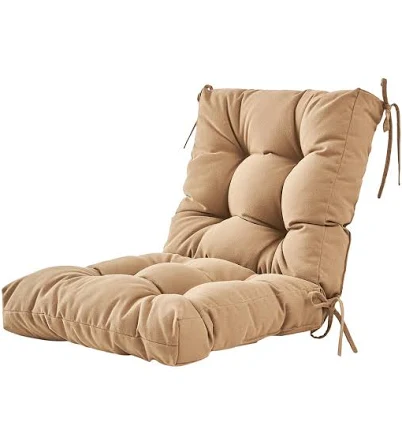
Latitude Run 4'' Outdoor Dining Chair with Seat and Back Cushion
Lower risk outdoor furniture, though ask the brand about cushion composition if concerned.
This dining chair combines a wood and metal frame (lower PFAS risk) with polyester cushions that may or may not be treated. Wayfair offers no details about cushion treatments or certifications.
The better-graded swap
Design Within Reach
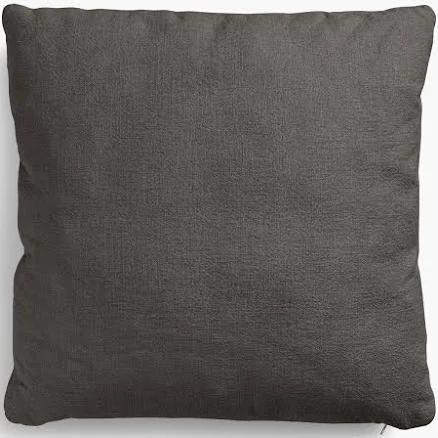
Design Within Reach Perron Pillo Cushion
75/100 safety
Same rubric that flunked this product. The swap earned Excellent.
Still want this one anyway? Check the price on Amazon. We’d swap it.
Material
Polyester cushions; wood/metal frame
Brand disclosure
Brand is silent on PFAS
Lab data
No public lab test
What Latitude Run 4'' Outdoor Dining Chair is made of, ingredients and materials
These cushions are polyester fabric over foam fill, typical for outdoor furniture. Polyester itself does not off-gas formaldehyde or emit harmful VOCs under normal conditions, unlike some indoor foam furniture. The concern with polyester outdoors is durability and UV degradation over time, which can cause fiber breakdown rather than chemical leaching. Foam fill composition is not specified in available product data; if it is polyurethane, it may contain flame retardants, though outdoor foam is less regulated than indoor.
What’s concerning
No PFAS disclosure
No public statement from the brand about PFAS in this product.
Category baseline
The starting point for this type of product, before anything specific to this product is counted.
Flame retardants
Polyurethane foam in outdoor cushions may contain brominated or phosphate flame retardants to meet flammability codes, though outdoor furniture faces lighter regulation than indoor. No specific retardant content is disclosed for this product.
Source, EPA ↗Polyester microfiber shedding
Polyester fabrics can shed fibers through UV exposure and friction, particularly in outdoor settings. Shed fibers are not ingested in typical use but may contribute to environmental microplastic load over the product lifetime.
Mold and bacterial growth in damp conditions
Foam-filled cushions left wet or in humid storage can develop mold and bacteria, especially if not dried promptly. This is a maintenance and storage issue rather than a manufacturing hazard but affects user safety if cushions are not kept clean and dry.
What’s reassuring
Base material not linked to PFAS
The main material recorded for this product is not one associated with PFAS.
Azo dyes in polyester fabric coloring
No specific dye restrictions or test results are available for this product. Standard polyester outdoor fabrics often use azo dyes, which are legal but can release aromatic amines under certain conditions; however, risk to end users is minimal in normal outdoor use.
Coating or water repellency treatments
Product does not specify if cushions have water-repellent coatings. If present, these may contain PFAS or silicone compounds; PFAS grade already assessed separately as lower risk, but specific treatment formulation is not disclosed.
The full breakdown
The brand's record and disclosure
Wayfair does not prominently disclose material certifications, chemical content, or PFAS stance on most product pages. No recalls specific to this chair model appear in CPSC databases. The brand has faced criticism for limited transparency on textile and cushion materials across its furniture lines, but this reflects industry norm rather than exceptional risk. Wayfair offers basic return policies but does not publish third-party test results for cushion composition.
How it compares in its category
Outdoor dining cushions from mass retailers like Wayfair typically use polyester or polyester-blend fabrics without fabric treatments that add formaldehyde or azo dyes. This product sits in the middle of the market, cheaper than certified organic outdoor furniture, more standard than premium brands offering Oeko-Tex or similar certifications. Most competitors at this price point offer similar material profiles with comparable disclosure gaps.
If you buy it
Store cushions indoors or under cover during off-season to slow UV and weather degradation. Spot-clean with mild soap and water; do not use bleach or harsh solvents. Inspect annually for tears, mold, or compression loss; foam typically lasts 3-5 years outdoors before sagging. If cushions develop odor, mildew, or visible breakdown, replace them; degraded foam does not pose acute chemical risk but loses functionality and may harbor bacteria if left wet.
What we don’t know
- Basis
- Model estimate, 72% confidence, not a lab result
- Lab test
- None on record for this exact product
- Brand statement
- Latitude Run has made none
Formulations change between production runs, so check the current label. How we grade.
More outdoor furniture cushion protectants grades
How we score, every product runs through the same public 0-100 rubric based on materials, coatings, brand disclosure, lab findings, and recalls. See the full methodology → Spotted a mistake? Report an error.