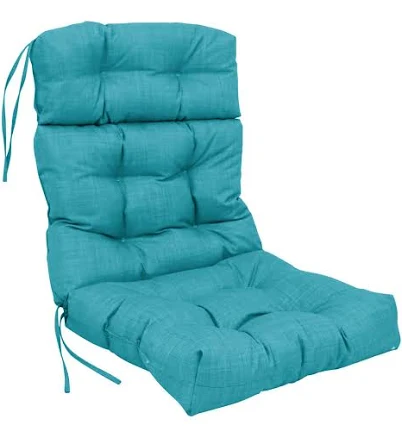
Latitude Run · Outdoor Furniture Cushion Protectants
Latitude Run Outdoor Seat / Back Cushion
Lower concern; standard outdoor cushion with no obvious PFAS indicators.
These polyester and foam cushions have no known PFAS-laden coatings like heavy Teflon-family coating treatments. Wayfair makes no public PFAS statement or offers third-party verification for this item.
The better-graded swap
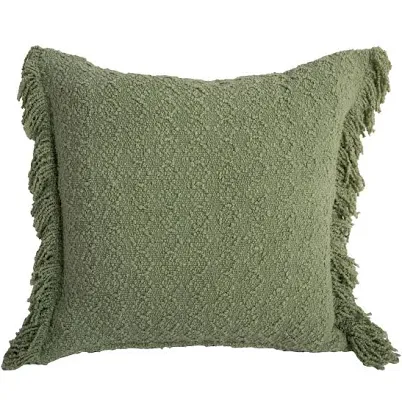
Rizzy Home
Rizzy Home Jim Throw Pillow
75/100 safety
Same rubric that flunked this product. The swap earned Excellent.
Still want this one anyway? Check the price on Amazon. We’d swap it.
Material
Polyester/polyurethane foam cushion cover
Brand disclosure
Brand is silent on PFAS
Lab data
No public lab test
What Latitude Run Outdoor Seat / Back Cushion is made of, ingredients and materials
This cushion uses a polyester cover over polyurethane foam, a common construction for outdoor seating. Polyester is a synthetic polymer resistant to moisture and UV degradation, which makes it practical for exterior environments. Polyurethane foam underneath provides cushioning but can degrade over years of sun exposure, eventually becoming brittle or breaking apart into fragments. The polyester-foam bond is not typically treated with problematic chemical finishes in standard outdoor cushions of this type.
What’s concerning
No PFAS disclosure
No public statement from the brand about PFAS in this product.
Category baseline
The starting point for this type of product, before anything specific to this product is counted.
Polyurethane foam degradation and microparticle release
Polyurethane foam exposed to UV, heat, and humidity degrades over time, potentially releasing small foam particles. Outdoor cushions sitting in sun for years will eventually crumble; this is a normal wear pattern but can release microparticles into the environment or become a nuisance.
Flame retardants
Polyurethane foam used in outdoor cushions may be treated with flame retardants (brominated or phosphorus-based) to meet regional flammability codes, though this is not confirmed for this specific product. If present, these chemicals do not pose a direct inhalation hazard during normal use but may leach slightly into soil if cushions are disposed improperly.
Source, EPA ↗Moisture retention and mold/mildew growth
Polyurethane foam can retain moisture if not fully dried after rain or cleaning, creating conditions for mold and mildew. This is a maintenance issue rather than a chemical hazard but can degrade air quality if cushions are used in poorly ventilated indoor spaces or humid regions.
What’s reassuring
Base material not linked to PFAS
The main material recorded for this product is not one associated with PFAS.
Dye or colorant stability in polyester
Polyester outdoor fabrics are typically colorfast and use synthetic dyes that do not shed significantly during normal use. No reports of color bleeding or dye transfer specific to Latitude Run cushions exist in public records.
Polyester off-gassing
Polyester fabric does not off-gas volatile organic compounds (VOCs) in the way that foam or adhesives might; no volatile emissions are documented for standard polyester outdoor covers during normal outdoor use.
The full breakdown
The brand's record and disclosure
Wayfair, a large online furniture retailer, does not maintain a published chemical hazard disclosure policy specific to cushion products and has not issued certifications (like Oeko-Tex or GOTS) for this item. The brand's approach is silent on material sourcing and chemical treatment, which is typical for mass-market outdoor furniture. No recalls or safety alerts are on record for Latitude Run cushions. Consumers should not expect detailed material transparency from Wayfair on this product category.
How it compares in its category
Latitude Run cushions are mid-market priced for outdoor furniture; they occupy a standard safety tier alongside competitors like Christopher Knight, Sunbrella-adjacent products, and big-box outdoor cushions. Unlike premium alternatives (Sunbrella fabric or certified organic covers), this product does not carry third-party testing or flame-retardant certification. It is comparable to typical outdoor cushions found at major retailers in terms of material composition and lack of advanced safety certifications.
If you buy it
Store indoors or under cover during winter and heavy rain to extend foam life and prevent accelerated degradation. Vacuum or brush the cover regularly to remove dust and mold spores, especially in humid climates. Do not machine wash; spot-clean only with mild soap and water. Inspect foam annually for crumbling, compression loss, or flattening; replace cushions when foam becomes uncomfortable or begins to break apart, typically after 3-5 years of heavy use.
What we don’t know
- Basis
- Model estimate, 68% confidence, not a lab result
- Lab test
- None on record for this exact product
- Brand statement
- Latitude Run has made none
Formulations change between production runs, so check the current label. How we grade.
More outdoor furniture cushion protectants grades
How we score, every product runs through the same public 0-100 rubric based on materials, coatings, brand disclosure, lab findings, and recalls. See the full methodology → Spotted a mistake? Report an error.