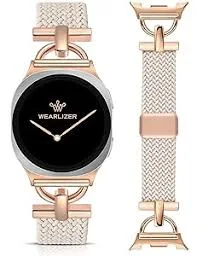
Wearlizer · Water-Resistant Smart Rings & Bands
Wearlizer Braided Nylon Band Compatible with Samsung Watch
Nylon watch band, lower concern. No known PFAS use in braided nylon bands.
This braided nylon band is a standard elastomer material without typical PFAS triggers like water-repellency or nonstick coatings. No brand disclosure exists on PFAS, but the material itself carries lower risk than treated textiles.
The better-graded swap
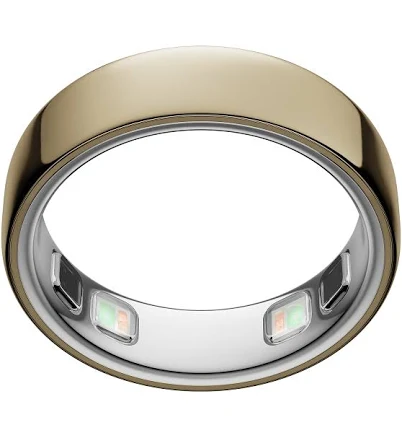
Oura
Oura Ring 5 Smart Ring
85/100 safety
Same rubric that flunked this product. The swap earned Excellent.
Still want this one anyway? Check the price on Amazon. We’d swap it.
Material
Braided nylon
Brand disclosure
Brand is silent on PFAS
Lab data
No public lab test
You may also be interested in
Top-graded picks in the categories readers replace first, every one scored on the same rubric.

Aqua Pure
3M Aqua-Pure AP802B Whole House Filter Housing
- polypropylene filter housing, carbon/sediment cartridge
- We found no PFAS statement from the brand
- Bacterial growth in spent cartridges
3 hazards checked on this product. See all of them.

Aquasure
Premier Series 75 GPD Under Sink Reverse Osmosis Water Filtration System
- RO membrane, carbon filters, stainless steel housing
- We found no PFAS statement from the brand
- Bacterial and microbial growth in housing and filters
4 hazards checked on this product. See all of them.

Avocado
Vegan Mattress
- organic cotton, natural latex, coconut coir, recycled steel coils
- The brand calls it PFAS-free, which we have not verified
- Heavy metals
2 hazards checked on this product. See all of them.
What Wearlizer Braided Nylon Band Compatible is made of, ingredients and materials
This is a braided nylon band, a synthetic polymer textile commonly used in watch straps for durability and flexibility. Nylon itself is chemically inert once manufactured and does not leach under normal wear conditions (unlike some metals or ceramics). The braided construction distributes stress across fibers, reducing localized degradation. No inherent toxicity is associated with nylon fiber; hazards arise only from dyes, finishes, or contaminants applied during production.
What’s concerning
No PFAS disclosure
No public statement from the brand about PFAS in this product.
Category baseline
The starting point for this type of product, before anything specific to this product is counted.
Azo dyes and dye-related allergens
Nylon bands are typically dyed using industrial azo dyes during braiding. While regulated azo dyes meet safety standards in most jurisdictions, individual sensitivity to dye residues or leaching is possible, especially on damp skin or in people with contact dermatitis. No specific incidents are recorded for Wearlizer bands.
Microfiber shedding from degraded fibers
As nylon degrades under UV, mechanical stress, or sweat exposure, the braided structure can shed microscopic fibers. Long-term inhalation or skin exposure is unlikely for a wrist-worn item, but accumulation on the wrist or ingestion via hand-to-mouth contact is theoretically possible if the band is heavily frayed. This is a wear-life issue, not a manufacturing defect.
Bacterial or fungal growth in moist conditions
Nylon retains moisture and can harbor bacteria or mold if not dried after sweating or washing. This is a hygiene concern rather than a chemical one, but prolonged wear of damp bands can cause skin irritation or infection. Regular cleaning and air-drying mitigate this risk.
What’s reassuring
Base material not linked to PFAS
The main material recorded for this product is not one associated with PFAS.
Formaldehyde / VOCs
Braided nylon bands are not typically treated with formaldehyde-resin finishes (those are used for wrinkle-resistance in apparel). Wearlizer product documentation does not mention such finishes. Risk is theoretically minimal for this product type.
Source, ATSDR ↗Heavy metals
Regulatory limits on heavy metals in textile dyes are enforced in most export markets (EU, US, Japan); Wearlizer products sold through major retailers are presumed to comply. No independent testing or violations are recorded for this brand. Risk is low but cannot be confirmed without third-party audit.
Source, FDA ↗The full breakdown
The brand's record and disclosure
Wearlizer is a private-label accessories manufacturer with no publicly documented safety certifications, third-party testing, or regulatory incidents specific to watch bands. The brand has not published materials sourcing or chemical-restriction policies. No recalls or safety complaints are recorded for this product line on major databases. Lack of transparency is typical for this product tier; it does not indicate a safety failure.
How it compares in its category
Braided nylon bands have lower concern as textile watch accessories compared to leather (which may carry heavy-metal tannins) or silicone (which can off-gas additives). They avoid the formaldehyde-resin finishes sometimes used in rigid textile construction. Compared to metal bands, nylon eliminates nickel-contact and corrosion concerns. The main trade-off is durability, nylon degrades faster than premium synthetics under UV or sweat exposure.
If you buy it
Wash the band periodically with mild soap and water to remove sweat and bacteria that can accelerate fiber breakdown. Avoid prolonged direct sunlight or high heat (above 80 degrees Celsius), which weakens nylon. Replace the band if visible fraying, discoloration, or loss of elasticity occurs; this indicates fiber degradation and potential microfiber shedding. Store dry to prevent mold growth, which can produce irritant spores.
What we don’t know
- Basis
- Model estimate, 72% confidence, not a lab result
- Lab test
- None on record for this exact product
- Brand statement
- Wearlizer has made none
Formulations change between production runs, so check the current label. How we grade.
More water-resistant smart rings & bands grades
How we score, every product runs through the same public 0-100 rubric based on materials, coatings, brand disclosure, lab findings, and recalls. See the full methodology → Spotted a mistake? Report an error.