Pure Light Protection Filter vs UV Haze 010 Filter: which is safer?
B+W UV Haze 010 Filter is the clear pick. Promaster Pure Light Protection Filter carries a failing PFAS grade, and we never recommend buying a failing product.
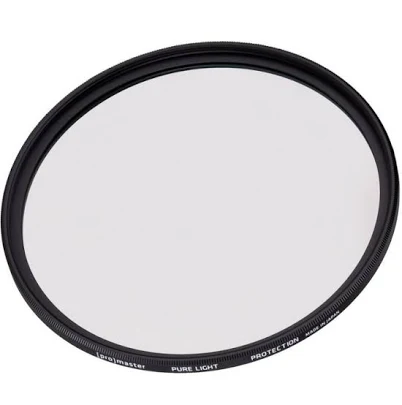
Promaster
Pure Light Protection Filter
PFAS grade
Overall grade
Verdict
Hazard flags
Material
Confidence
PossibleHeavy metals in optical coatings (antimony, cerium, lead)
PossibleGlass dust from breakage
PossibleFluorinated compounds in coatings (Teflon-family coating, Teflon-type coating analogues)
Our pick
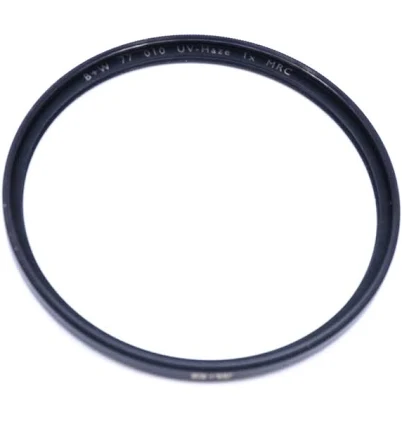
B+W
UV Haze 010 Filter
PFAS grade
Overall grade
Verdict
Hazard flags
Material
Confidence
Where these two actually differ
- We flag Heavy metals in optical coatings (antimony, cerium, lead), Glass dust from breakage and Fluorinated compounds in coatings (fluoropolymers, PTFE analogues) on the Promaster and not on the B+W.
- The Promaster is Optical glass with protective coatings where the B+W is Optical glass lens with multi-coated optical surfaces, which is most of the difference in these two grades.
- The gap is 35 points, wide enough that this is not a close call, and the B+W is the one to buy.
- We are less certain about the Promaster grade, at 55% confidence against 82%, because it discloses less.
Both products run through the same public rubric, which covers materials, coatings, brand disclosure, lab findings, and recalls, plus a beyond-PFAS hazard analysis. Grades are model-based estimates, not lab tests. How grades work →
More waterproof camera & lens protection cases, see the full ranking