Monofilament vs Trilene XL: which is safer?
Ande Monofilament is our pick: better on PFAS and on the overall hazard picture.
Our pick
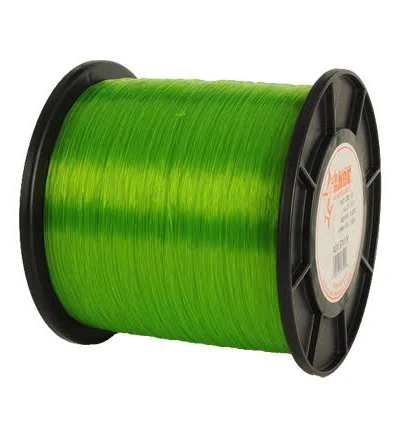
Ande
Monofilament
PFAS grade
Excellent 85/100
Overall grade
Excellent 81/100
Verdict
Buy
Hazard flags
⚑ 1
Material
Monofilament nylon fishing line
Confidence
72%
PossibleMicroplastic shedding during use
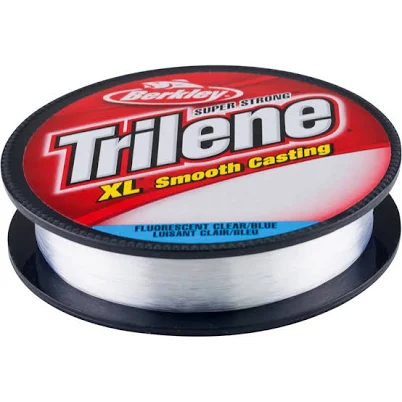
Berkley
Trilene XL
PFAS grade
Excellent 85/100
Overall grade
Good 61/100
Verdict
Buy
Hazard flags
⚑ 3
Material
Nylon monofilament fishing line
Confidence
72%
ReportedUV and thermal degradation of nylon
PossibleUnknown additives (slip agents, UV stabilizers, colorants)
ReportedMicroplastic generation via fragmentation
Where these two actually differ
- We flag Microplastic shedding during use on the Ande and not on the Berkley.
- We flag UV and thermal degradation of nylon, Unknown additives (slip agents, UV stabilizers, colorants) and Microplastic generation via fragmentation on the Berkley and not on the Ande.
- The Ande is Monofilament nylon fishing line where the Berkley is Nylon monofilament fishing line, which is most of the difference in these two grades.
- These two are level, close enough that price and fit should decide it rather than our grade.
Both products run through the same public rubric: materials, coatings, brand disclosure, lab findings, and recalls, plus a beyond-PFAS hazard analysis. Grades are model-based estimates, not lab tests. How grades work →
More fishing line: see the full ranking