Monofilament vs Ceymar Spinning Reel: which is safer?
Ande Monofilament is our pick: better on PFAS and on the overall hazard picture.
Our pick
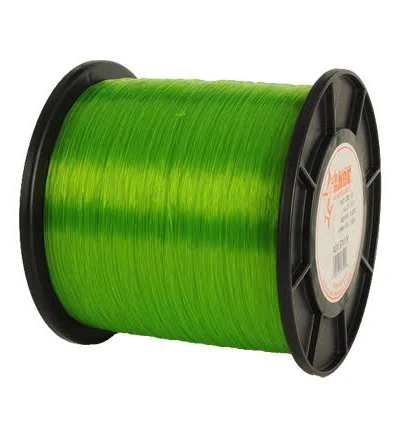
Ande
Monofilament
PFAS grade
Excellent 85/100
Overall grade
Excellent 81/100
Verdict
Buy
Hazard flags
⚑ 1
Material
Monofilament nylon fishing line
Confidence
72%
PossibleMicroplastic shedding during use
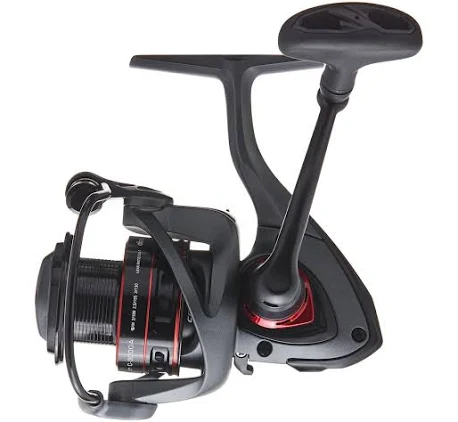
Okuma
Ceymar Spinning Reel
PFAS grade
Excellent 85/100
Overall grade
Good 73/100
Verdict
Buy
Hazard flags
⚑ 3
Material
Aluminum spool, stainless steel bail, plastic handle and housing
Confidence
72%
PossibleAluminum corrosion and leaching (saltwater exposure)
PossiblePlastic handle degradation under UV and heat
PossibleSmall parts and choking hazard (if children present)
Where these two actually differ
- We flag Microplastic shedding during use on the Ande and not on the Okuma.
- We flag Aluminum corrosion and leaching (saltwater exposure), Plastic handle degradation under UV and heat and Small parts and choking hazard (if children present) on the Okuma and not on the Ande.
- The Ande is Monofilament nylon fishing line where the Okuma is Aluminum spool, stainless steel bail, plastic handle and housing, which is most of the difference in these two grades.
- These two are level, close enough that price and fit should decide it rather than our grade.
Both products run through the same public rubric: materials, coatings, brand disclosure, lab findings, and recalls, plus a beyond-PFAS hazard analysis. Grades are model-based estimates, not lab tests. How grades work →
More fishing line: see the full ranking