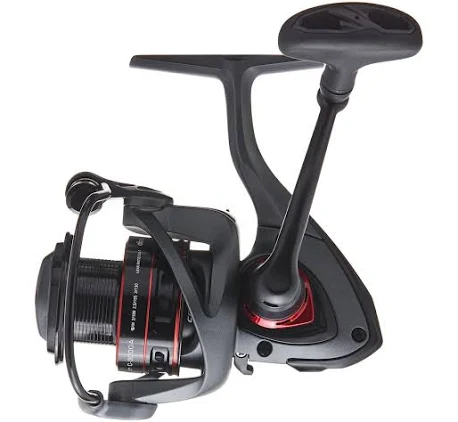
Okuma Ceymar Spinning Reel
Fishing reel with standard materials, no PFAS red flags identified.
Okuma Ceymar uses common reel materials of aluminum, stainless steel, and plastic with no known PFAS-prone coatings. Brand makes no PFAS claims.
We flunk more products than we pass. This one earned its grade. How we grade
Material
Aluminum spool, stainless steel bail, plastic handle and housing
Brand disclosure
Brand is silent on PFAS
Lab data
No public lab test
You may also be interested in
Top-graded picks in the categories readers replace first, every one scored on the same rubric.

Aqua Pure
3M Aqua-Pure AP802B Whole House Filter Housing
- polypropylene filter housing, carbon/sediment cartridge
- We found no PFAS statement from the brand
- Bacterial growth in spent cartridges
3 hazards checked on this product. See all of them.

Aquasure
Premier Series 75 GPD Under Sink Reverse Osmosis Water Filtration System
- RO membrane, carbon filters, stainless steel housing
- We found no PFAS statement from the brand
- Bacterial and microbial growth in housing and filters
4 hazards checked on this product. See all of them.

Avocado
Vegan Mattress
- organic cotton, natural latex, coconut coir, recycled steel coils
- The brand calls it PFAS-free, which we have not verified
- Heavy metals
2 hazards checked on this product. See all of them.
What Okuma Ceymar Spinning Reel is made of, ingredients and materials
The Ceymar spool is aluminum, chosen for weight and corrosion resistance in freshwater and saltwater use. The bail and internal gears are stainless steel, which resists rust and degradation. The handle and housing are plastic (likely acetal or nylon), standard for fishing reels to reduce weight and vibration. None of these materials are typically associated with leaching or off-gassing hazards under normal fishing conditions, since the reel is not in contact with food, potable water, or skin for extended periods.
What’s concerning
Category baseline
The starting point for this type of product, before anything specific to this product is counted.
No PFAS disclosure
No public statement from the brand about PFAS in this product.
Aluminum corrosion and leaching (saltwater exposure)
Aluminum spool can oxidize and pit in saltwater, though this is aesthetic and functional degradation rather than a direct health hazard. Freshwater use carries negligible risk; saltwater users should rinse after each session to slow corrosion.
Plastic handle degradation under UV and heat
Plastic components (handle, housing) may become brittle or warp if exposed to prolonged direct sunlight or heat above 60-70°C. This is a durability issue, not a chemical leaching risk, but damage can create sharp edges or small fragments.
Small parts and choking hazard (if children present)
Reel components such as ball bearings or small screws can detach; this is a mechanical safety concern, not a chemical one, relevant only if young children have unsupervised access.
What’s reassuring
Base material not linked to PFAS
The main material recorded for this product is not one associated with PFAS.
Lubricant residues and additives
Fishing reels are pre-lubricated with proprietary oils; no hazardous lubricant composition is documented for Okuma products. Standard mineral or synthetic oils used are not linked to toxicity in this application. User should avoid excessive re-lubrication with unknown products.
Metal finish or plating hazards
Stainless steel bail and hardware do not require cadmium, lead, or chromium plating in modern manufacture. No recalls or testing data suggest hazardous finishes on the Ceymar line.
The full breakdown
The brand's record and disclosure
Okuma is a Japanese fishing equipment manufacturer with no widely documented safety recalls or material transparency controversies specific to the Ceymar line. The brand does not publish detailed PFAS or chemical-use statements, which is common in the fishing tackle industry but limits third-party verification. No evidence of hazardous heavy metals or restricted substances in published testing or regulatory filings. Standard industry practice applies, minimal disclosure expected for this product category.
How it compares in its category
Spinning reels of this price and tier typically use identical material combinations, aluminum spools, stainless hardware, and injection-molded plastic bodies. The Ceymar does not stand out as higher or lower risk compared to Shimano, Abu Garcia, or Daiwa equivalents in the same market segment. Material choices are conservative and proven over decades, with no emerging hazard profiles unique to this model.
If you buy it
Rinse the reel with fresh water after saltwater use to prevent salt corrosion and aluminum oxidation. Store in a dry location; plastic components are stable under normal temperature range (do not expose to direct heat or UV for extended periods, as plastic can become brittle). Inspect the bail and drag washers periodically for wear; these are the only wear items that may need replacement over time. No special precautions needed during normal use; the reel does not contact food or drinking water.
What we don’t know
- Basis
- Model estimate, 72% confidence, not a lab result
- Lab test
- None on record for this exact product
- Brand statement
- Okuma has made none
Formulations change between production runs, so check the current label. How we grade.
More fishing line grades
How we score, every product runs through the same public 0-100 rubric based on materials, coatings, brand disclosure, lab findings, and recalls. See the full methodology → Spotted a mistake? Report an error.