Monofilament vs Stealth Filler Spool: which is safer?
Ande Monofilament is the clear pick. Stealth Filler Spool carries a failing PFAS grade, and we never recommend buying a failing product.
Our pick
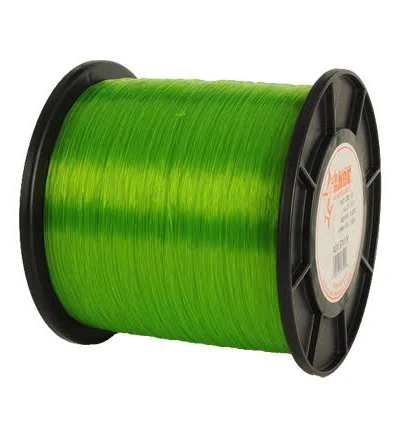
Ande
Monofilament
PFAS grade
Excellent 85/100
Overall grade
Excellent 81/100
Verdict
Buy
Hazard flags
⚑ 1
Material
Monofilament nylon fishing line
Confidence
72%
PossibleMicroplastic shedding during use
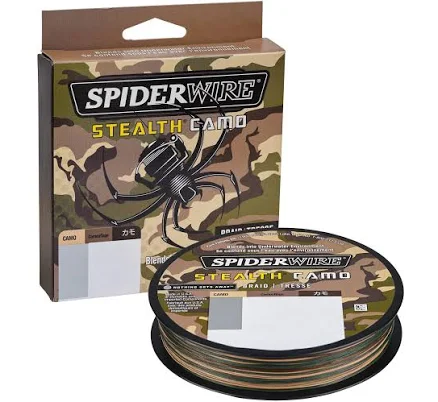
Spiderwire
Stealth Filler Spool
PFAS grade
Good 50/100
Overall grade
Bad 24/100
Verdict
Skip
Hazard flags
⚑ 5
Material
Monofilament fishing line, coating unspecified
Confidence
35%
PossibleUnspecified coating composition and potential leachables
PossibleMicroplastic and microfiber release
ReportedNylon degradation and embrittlement over time
Where these two actually differ
- We flag Microplastic shedding during use on the Ande and not on the Spiderwire.
- We flag Unspecified coating composition and potential leachables, Microplastic and microfiber release, Nylon degradation and embrittlement over time and Heavy metal additives in visibility-reducing coatings on the Spiderwire and not on the Ande.
- The Ande is Monofilament nylon fishing line where the Spiderwire is Monofilament fishing line, coating unspecified, which is most of the difference in these two grades.
- The gap is 35 points, wide enough that this is not a close call, and the Ande is the one to buy.
- We are less certain about the Spiderwire grade, at 35% confidence against 72%, because it discloses less.
Both products run through the same public rubric: materials, coatings, brand disclosure, lab findings, and recalls, plus a beyond-PFAS hazard analysis. Grades are model-based estimates, not lab tests. How grades work →
More fishing line: see the full ranking