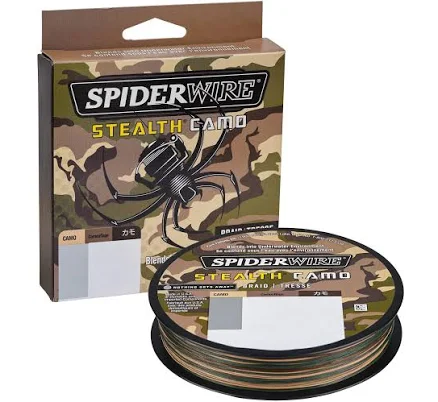
Stealth Filler Spool
Unknown coating; insufficient public data to assess PFAS risk.
Stealth Filler Spool lacks disclosed material information and coating details. Fishing line coatings often use Teflon-family coating, but the brand provides no transparency.
The better-graded swap
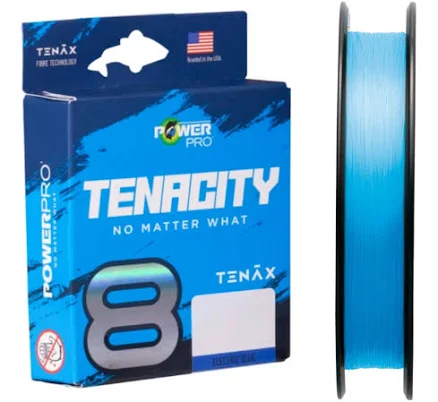
PowerPro
Shimano PowerPro Tenacity x8 300m Braid Fishing Line
85/100 safety
Same rubric that flunked this product. The swap earned Excellent.
Still want this one anyway? Check the price on Amazon. We’d swap it.
Material
Monofilament fishing line, coating unspecified
Brand disclosure
Brand is silent on PFAS
Lab data
No public lab test
What Stealth Filler Spool is made of, ingredients and materials
Spiderwire Stealth Filler Spool is monofilament fishing line, typically nylon (polyamide) or copolymer core. The 'Stealth' designation indicates an applied coating to reduce visibility underwater, but Spiderwire does not publicly specify the coating chemistry. Monofilament itself is chemically stable during normal fishing use, but applied surface coatings (especially those reducing visibility or adding strength) are the primary concern for leachables or intentional additives like PFAS-based water repellents. The unspecified coating formulation creates a gap in safety transparency.
What’s concerning
Category baseline
The starting point for this type of product, before anything specific to this product is counted.
No PFAS disclosure
No public statement from the brand about PFAS in this product.
Unknown / proprietary coating
A coating is recorded with no disclosed chemistry.
Unspecified coating composition and potential leachables
Spiderwire does not publish coating ingredients for Stealth line. Coatings designed to reduce visibility underwater may contain heavy metals (titanium dioxide, lead chromate alternatives) or synthetic additives with unknown leaching behavior in freshwater or saltwater environments.
Microplastic and microfiber release
Monofilament naturally fragments and sheds microfibers during handling, casting, and degradation. Coating wear accelerates this process. While not unique to Spiderwire, the lack of data on coating durability and shed particle composition leaves risk unquantified.
Nylon degradation and embrittlement over time
Monofilament nylon becomes brittle with age, UV exposure, and thermal stress. Spiderwire Stealth spools stored in warm or sunlit conditions will degrade faster, increasing breakage and microfiber release. This is inherent to the material class, not brand-specific.
Heavy metals
Coatings marketed as 'Stealth' or low-visibility often use opacity agents or colorants that may include cadmium, lead, or antimony compounds. Without ingredient disclosure, this risk cannot be ruled out for this product.
Source, FDA ↗Aquatic toxicity from coating leachates
Fishing line is used in water environments where any coating leachate would enter the ecosystem directly. The unknown composition of Spiderwire's coating means aquatic impact is unassessed and not publicly documented.
The full breakdown
The brand's record and disclosure
Spiderwire (owned by Berkley, a major fishing tackle manufacturer) has not publicly disclosed coating ingredients, manufacturing certifications, or PFAS testing for its line products. The brand has no known environmental or safety controversies specific to monofilament composition, but the silence on coating formulation is consistent with the fishing industry's general lack of material transparency. No third-party certifications (such as eco-label or toxicological vetting) are available for this product line.
How it compares in its category
Monofilament fishing line presents lower microfiber fragmentation concern than braided alternatives during use because it does not fragment into microfibers as readily. However, most branded monofilament (Spiderwire, Berkley, Trilene, etc.) relies on proprietary coatings whose formulations remain proprietary and untested publicly. Budget and specialty-grade monofilament often omits added coatings, reducing coating-related uncertainty but potentially offering less casting performance. Spiderwire occupies the mid-to-premium segment where coating claims drive market positioning but ingredient secrecy is industry norm.
If you buy it
Store spools in cool, dry conditions away from direct sunlight to prevent coating degradation and UV-induced leaching. Avoid heating or boiling monofilament; while nylon itself has a high melting point, applied coatings may leach or decompose if exposed to sustained heat above 60-70°C (140-160°F). Replace line annually or after heavy use, as both nylon embrittlement and coating wear increase breakage risk and potential microfiber shedding. Dispose of spent line properly (specialized tackle recycling or landfill, never waterways) to avoid entanglement hazards to wildlife.
What we don’t know
- Basis
- Model estimate, 35% confidence, not a lab result
- Lab test
- None on record for this exact product
- Brand statement
- Spiderwire has made none
Formulations change between production runs, so check the current label. How we grade.
Better-graded alternatives in Fishing Line
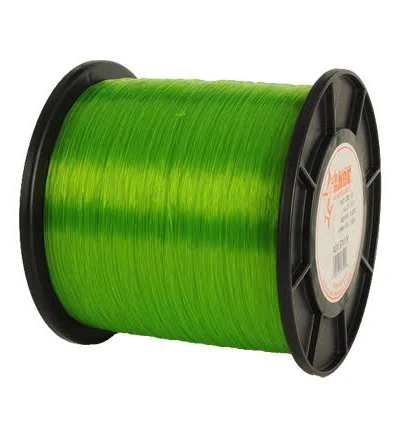
Ande
Monofilament
- Monofilament nylon fishing line
- We found no PFAS statement from the brand
- Microplastic shedding during use
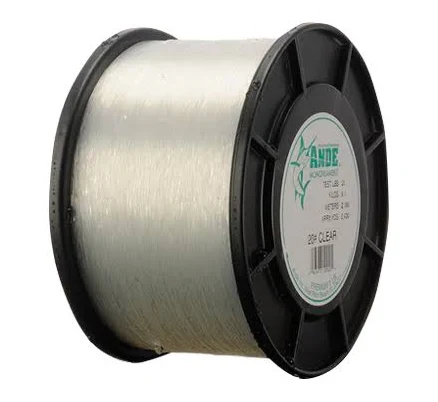
Ande
Premium Monofilament (Bulk) 100LB BY THE YARD
- Monofilament nylon fishing line
- We found no PFAS statement from the brand
- Microplastic fragmentation
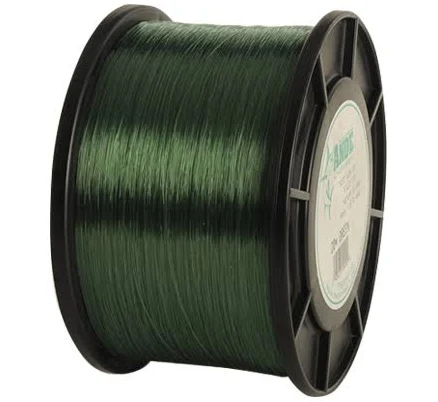
Ande
Premium Green 1/4 Spool
- Monofilament nylon fishing line
- We found no PFAS statement from the brand
- UV degradation and polymer brittleness
2 hazards checked on this product. See all of them.
More fishing line grades
How we score, every product runs through the same public 0-100 rubric based on materials, coatings, brand disclosure, lab findings, and recalls. See the full methodology → Spotted a mistake? Report an error.