Water Storage Treatment 2 oz Glass Bottles 60 gallons Purification vs ZeroWater Technology 22-Cup Ready Water Filtration Dispenser: which is safer?
Aquamira Water Storage Treatment 2 oz Glass Bottles 60 gallons Purification edges it on pure PFAS risk, but Culligan ZeroWater Technology 22-Cup Ready Water Filtration Dispenser wins overall once other hazards are counted.

Aquamira
Water Storage Treatment 2 oz Glass Bottles 60 gallons Purification
PFAS grade
Overall grade
Verdict
Hazard flags
Material
Confidence
PossibleChemical overdose or misuse
ReportedDegradation and loss of efficacy over time
PossibleGlass bottle breakage and spillage
Our pick
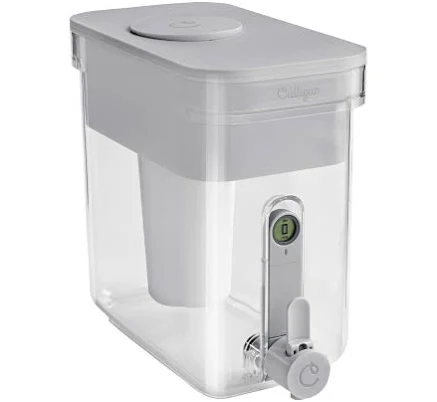
Culligan
ZeroWater Technology 22-Cup Ready Water Filtration Dispenser
PFAS grade
Overall grade
Verdict
Hazard flags
Material
Confidence
PossibleBacterial or mold growth in filter bed
PossibleActivated carbon dust or particle shedding
PossibleIon-exchange resin degradation over time
Where these two actually differ
- We flag Chemical overdose or misuse, Degradation and loss of efficacy over time, Glass bottle breakage and spillage and Chlorine residue and taste/odor on the Aquamira and not on the Culligan.
- We flag Bacterial or mold growth in filter bed, Activated carbon dust or particle shedding, Ion-exchange resin degradation over time and Microbial contamination from tap water source on the Culligan and not on the Aquamira.
- The Aquamira is glass bottles, sodium dichloroisocyanurate treatment chemical where the Culligan is Activated carbon filters, plastic housing, which is most of the difference in these two grades.
- These two are 5 points apart, close enough that price and fit should decide it rather than our grade.
Both products run through the same public rubric: materials, coatings, brand disclosure, lab findings, and recalls, plus a beyond-PFAS hazard analysis. Grades are model-based estimates, not lab tests. How grades work →
More water filters: see the full ranking