Eco Products Sugarcane Plates vs EcoSave Compostable Plates: which is safer?
Eco Products Sugarcane Plates is our pick, better on PFAS and on the overall hazard picture.
Our pick
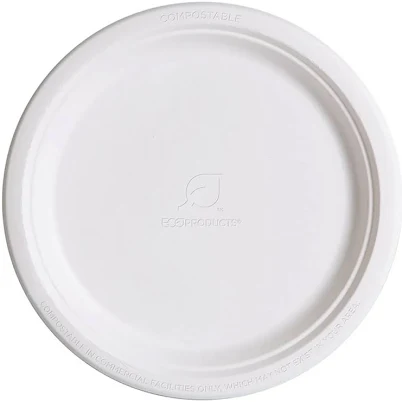
Eco-Products
Eco Products Sugarcane Plates
PFAS grade
Excellent 100/100
Overall grade
Excellent 92/100
Verdict
Buy
Hazard flags
⚑ 2
Material
molded sugarcane fiber (bagasse), uncoated
Confidence
78%
PossibleMicroplastic or fiber fragmentation during heating
PossibleMold or bacterial growth on porous surface
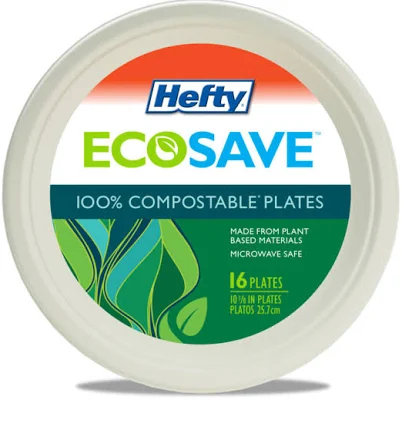
Hefty
EcoSave Compostable Plates
PFAS grade
Good 70/100
Overall grade
Good 62/100
Verdict
Buy
Hazard flags
⚑ 2
Material
Compostable plant-based fiber (bagasse/sugarcane pulp)
Confidence
72%
PossibleMicrobial growth (mold/moisture sensitivity)
PossibleThermal degradation and leaching
Where these two actually differ
- We flag Microplastic or fiber fragmentation during heating and Mold or bacterial growth on porous surface on the Eco-Products and not on the Hefty.
- We flag Microbial growth (mold/moisture sensitivity) and Thermal degradation and leaching on the Hefty and not on the Eco-Products.
- The Eco-Products is molded sugarcane fiber (bagasse), uncoated where the Hefty is Compostable plant-based fiber (bagasse/sugarcane pulp), which is most of the difference in these two grades.
- The gap is 30 points, wide enough that this is not a close call, and the Eco-Products is the one to buy.
Both products run through the same public rubric, which covers materials, coatings, brand disclosure, lab findings, and recalls, plus a beyond-PFAS hazard analysis. Grades are model-based estimates, not lab tests. How grades work →
More disposable plates, see the full ranking