Pro Line Electric Kettle vs Original Stainless Steel Double Wall Electric Water Kettle 1.8 Quart with Auto Shut-Off & Boil-Dry Protection: which is safer?
Secura Original Stainless Steel Double Wall Electric Water Kettle 1.8 Quart with Auto Shut-Off & Boil-Dry Protection is our pick, better on PFAS and on the overall hazard picture.
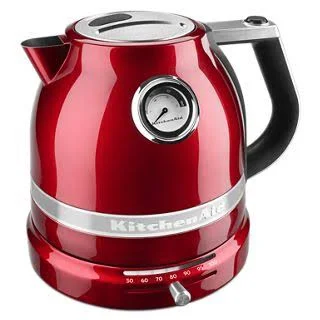
Kitchenaid
Pro Line Electric Kettle
PFAS grade
Overall grade
Verdict
Hazard flags
Material
Confidence
PossibleMineral buildup and bacterial growth (limescale/sediment)
PossibleNickel leaching from stainless steel
PossibleHeating element degradation or corrosion
Our pick
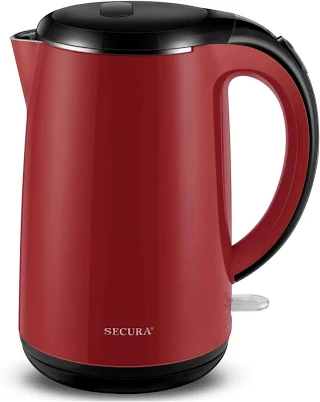
Secura
Original Stainless Steel Double Wall Electric Water Kettle 1.8 Quart with Auto Shut-Off & Boil-Dry Protection
PFAS grade
Overall grade
Verdict
Hazard flags
Material
Confidence
PossibleStainless steel leaching (chromium/nickel)
PossibleMineral scale and bacterial colonization
PossibleElectrical hazard from degraded seals
Where these two actually differ
- We flag Mineral buildup and bacterial growth (limescale/sediment), Nickel leaching from stainless steel, Heating element degradation or corrosion and Lid and seal degradation on the Kitchenaid and not on the Secura.
- We flag Stainless steel leaching (chromium/nickel), Mineral scale and bacterial colonization and Electrical hazard from degraded seals on the Secura and not on the Kitchenaid.
- The Kitchenaid is Stainless steel body and interior, heating element where the Secura is Stainless steel interior and exterior, no coating, which is most of the difference in these two grades.
- These two are level, close enough that price and fit should decide it rather than our grade.
- We are less certain about the Kitchenaid grade, at 62% confidence against 88%, because it discloses less.
Both products run through the same public rubric, which covers materials, coatings, brand disclosure, lab findings, and recalls, plus a beyond-PFAS hazard analysis. Grades are model-based estimates, not lab tests. How grades work →
More electric kettles & pitchers, see the full ranking