By PFAS Authority · Updated August 28, 2026
Top grades to buy
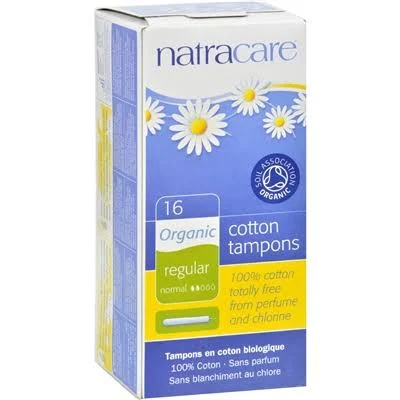
Natracare
100% Organic Cotton Tampons
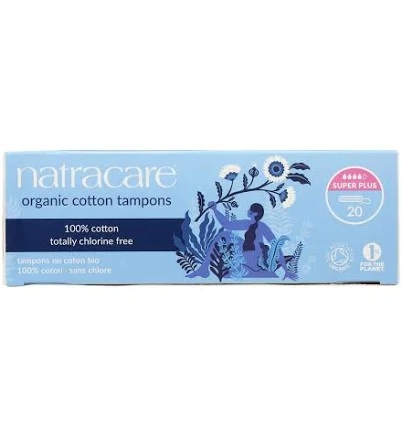
Natracare
Organic Super Plus Tampons, 3 x 20 ct
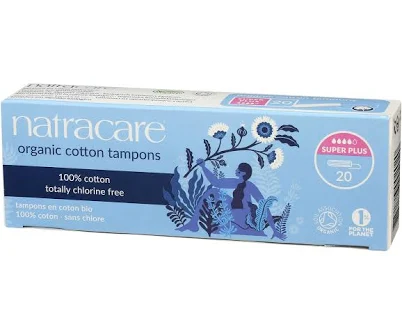
Natracare
Organic Cotton Super Plus Tampons
Model-based grades, not lab tests. We flunk more than we pass. How grading works
Will Virginia's New Law Finally Reveal What's in Your Tampons and Pads in 2026?
A bill that would force menstrual product makers to disclose the ingredients in tampons, pads, and other period products is now sitting on Governor Spanberger's desk, according to Virginia Mercury. If signed, Virginia would join a small but growing list of states demanding more transparency from an industry that has long kept its ingredient lists close to the vest.
What happened?
Virginia lawmakers passed legislation requiring companies that sell menstrual health products in the state to list the materials and chemicals used to make them Virginia Mercury reports. The bill responds to growing concern that many manufacturers currently disclose little or nothing about what actually goes into tampons, pads, menstrual cups, and similar products, leaving consumers to guess what they're putting in or near their bodies for days at a time each month.
The measure now awaits action from Governor Spanberger, who can sign it into law, let it take effect without a signature, or veto it. If signed, Virginia would add itself to a growing group of states pushing back against an industry that has historically been exempt from the kind of ingredient disclosure required for cosmetics or food products.
Who and what does this affect?
This bill affects anyone in Virginia who buys or uses menstrual products, a population that includes millions of people who menstruate for roughly 40 years of their lives. It also affects manufacturers and retailers who sell these products in the state, since they would need to update packaging and disclosures to comply.
The concern driving this legislation isn't limited to Virginia. Independent testing by researchers and advocacy groups in recent years has found that some menstrual products contain traces of substances like PFAS ("forever chemicals"), fragrance chemicals, dioxins, and other additives that aren't listed anywhere on the box. Because menstrual products are used internally or held against sensitive skin for extended periods, questions about what they're made of carry extra weight compared to many other consumer goods.
Why does this matter?
Menstrual products occupy a strange regulatory gap. In the United States, they're generally classified as medical devices, which means they face a different, and in some ways less transparent, regulatory path than cosmetics or food. Manufacturers aren't required to list every ingredient the way they are on a shampoo bottle or a cereal box.
That matters because researchers have found associations, not proven causation, between exposure to certain chemicals, including some PFAS compounds, and health effects such as hormone disruption, immune system changes, and other concerns. Scientists are still working to understand how much exposure comes from menstrual products specifically, compared with water, food packaging, or other everyday sources. Ingredient labels wouldn't answer every question, but they would give consumers, doctors, and researchers a starting point that currently doesn't exist for most brands.
Advocates for the bill argue that basic disclosure is a modest ask, people should be able to know what's in a product they use monthly for decades. Industry groups have historically pushed back, citing manufacturing complexity and trade-secret concerns, but transparency laws in other product categories haven't typically upended supply chains the way opponents predict.
What should you do right now?
Whether or not Virginia's bill becomes law immediately, there are steps consumers can take today.
- Ask brands directly. Some manufacturers already publish ingredient lists or respond to consumer inquiries about materials, dyes, and fragrance additives.
- Look for third-party certifications. Labels indicating organic cotton, fragrance-free, or independently tested products can offer more information than standard packaging, though certifications vary in rigor.
- Check independent testing data. Consumer advocacy groups and university researchers have periodically tested menstrual products for PFAS and other chemicals; these reports are often more detailed than anything on the package itself.
- Use tools built for this purpose. Our product finder can help you compare menstrual products based on available ingredient and testing data, and our methodology page explains how we evaluate and score consumer products for PFAS-related concerns.
- Stay informed on the bill's status. If Governor Spanberger signs the legislation, watch for an effective date and any phase-in period for manufacturers to comply.
None of this means current products should be considered dangerous, the science on exposure levels and health effects from menstrual products specifically is still developing. But informed choice requires information, and right now, that information is often missing.
Bottom Line
Virginia's ingredient-disclosure bill for menstrual products, now awaiting Governor Spanberger's decision, reflects a broader consumer push for transparency in a product category that has largely escaped the labeling requirements applied to cosmetics and food. If signed, it won't rank products as safe or unsafe, but it would give consumers, for the first time in many cases, a clear list of what they're actually using. Until then, checking independent testing sources and using comparison tools remains the most reliable way to make an informed choice.
FAQ
Does this bill mean current menstrual products are unsafe?
No. The bill addresses disclosure, not safety determinations. Some products tested by independent researchers have shown traces of chemicals like PFAS, which are associated with certain health concerns, but this legislation is about giving consumers information, it doesn't classify existing products as unsafe.
When would this law take effect if signed?
Virginia Mercury reports the bill is currently on Governor Spanberger's desk awaiting action. As of this writing, an effective date and compliance timeline for manufacturers had not been finalized publicly.
How can I check what's in my menstrual products right now?
You can contact manufacturers directly, review any available third-party lab testing, or use comparison tools such as our product finder, which draws on the evaluation approach detailed in our methodology.
What else we were tracking around this
- Aug 28, 2026Is "PFAS-Free" Period Underwear Really PFAS-Free in 2026?
- Aug 28, 2026Are Tampax Tampons Contaminated With PFAS and Heavy Metals? What Shoppers Need to Know
The latest PFAS news is updated daily.
Now check your own stuff
See every product we’ve graded in this category, best-graded first.
Get the graded list, free.
The products we score each week, and the best-graded alternative in every category.
No spam. Unsubscribe anytime.