By PFAS Authority · Updated August 28, 2026
Top grades to buy
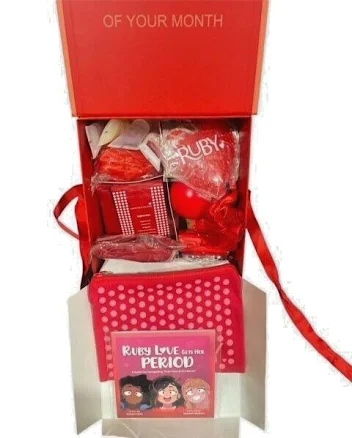
Ruby Love
Rubylove First Period Kit +teen Period Underwear
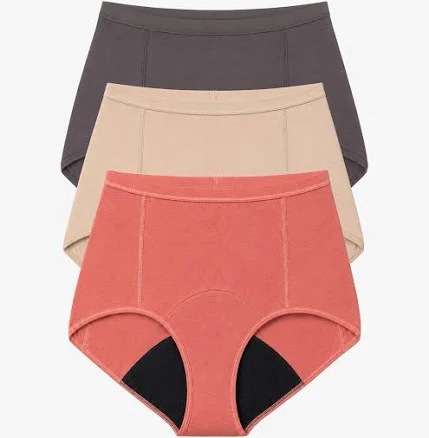
Lunapads
3-Pack BOOST Brief

Aisle
Super Hipster
Model-based grades, not lab tests. We flunk more than we pass. How grading works
Is "PFAS-Free" Period Underwear Really PFAS-Free in 2026?
Shoppers looking for period underwear without "forever chemicals" have a lot of options labeled PFAS-free, but a new report from Good Housekeeping suggests that label may not tell the whole story. According to the outlet's May 2026 coverage, fiber scientists say some period underwear marketed as PFAS-free may still contain traces of these chemicals, raising questions about how brands test and verify their claims.
What happened?
Good Housekeeping's report examined popular period underwear brands, including styles from Bambody and Knix sold in bikini, thong, and boyshort cuts for light, regular, and heavy flow, and found that the "PFAS-free" claims many companies advertise are harder to verify than they appear. Fiber scientists interviewed for the piece reportedly raised concerns that some testing methods used by manufacturers aren't sensitive enough to catch trace amounts of PFAS, or that they only test for a narrow list of the thousands of PFAS compounds that exist.
PFAS, short for per- and polyfluoroalkyl substances, are a class of synthetic chemicals prized for repelling water, oil, and stains. That's exactly why they've historically shown up in moisture-wicking and leak-proof fabrics, including period underwear's absorbent liner layers. Because PFAS molecules are extremely stable, they can persist in the environment and, according to the U.S. Environmental Protection Agency (EPA), have been linked in some studies to potential health effects.
Who and what is affected?
This news is most relevant to the millions of people who wear period underwear as an alternative to pads or tampons, particularly those who chose specific brands because of explicit "PFAS-free" marketing claims. It also affects anyone shopping for reusable period products going forward, since the report suggests that label alone may not be a reliable shortcut for avoiding PFAS exposure.
It's worth noting that Good Housekeeping's reporting doesn't claim every product tested contained PFAS, or that any specific brand intentionally misled customers. Rather, the concern raised by fiber scientists centers on testing gaps and industry-wide verification standards that make it difficult for any brand to guarantee a product is completely free of these chemicals.
Why does this matter?
Period underwear sits close to sensitive skin for extended periods, sometimes for many hours at a time. Some research has associated certain PFAS compounds with potential hormonal, reproductive, and immune effects, though scientists emphasize these are associations observed in studies, not proof that any single product causes harm. The EPA and other health agencies continue to study the health effects of PFAS exposure from various sources, including food packaging, drinking water, and textiles.
The bigger issue highlighted by Good Housekeeping is one of consumer trust. When a label says "PFAS-free," most shoppers reasonably assume that means zero detectable PFAS. But according to the fiber scientists quoted in the report, testing inconsistencies mean that claim can vary widely from brand to brand, and even from batch to batch of the same product.
What can shoppers do about it?
While no testing method can currently guarantee a product is entirely free of PFAS, there are steps that may lower your potential exposure and help you shop more critically.
- Look for third-party verification. Certifications from independent labs can offer more confidence than a brand's own marketing claims, though even these tests vary in scope.
- Ask brands directly about their testing methods. Companies that disclose which PFAS compounds they test for, and at what detection limits, are generally offering more transparency than those with vague "PFAS-free" labels alone.
- Consider fabric composition. Some fiber scientists note that certain synthetic, moisture-wicking materials are more likely to have been treated with PFAS-based finishes historically, though this doesn't mean every synthetic fabric contains them.
- Check laundering and product age. Some water- and stain-resistant treatments can diminish with washing over time, though this doesn't necessarily eliminate any PFAS already present in the fibers.
- Compare options before buying. Our product finder can help you compare period underwear and other everyday products based on available testing and brand disclosures.
For a deeper look at how we evaluate these claims and the limits of current testing, see our testing methodology page.
Bottom Line
"PFAS-free" claims on period underwear aren't necessarily false, but according to fiber scientists cited by Good Housekeeping, they're harder to fully verify than most shoppers assume, due to gaps in testing methods and the sheer number of PFAS compounds that exist. Rather than treating any single product as guaranteed PFAS-free, it's more accurate to say some options may carry a lower concern than others based on available testing and brand transparency. This is general consumer information, not medical or legal advice.
Frequently Asked Questions
Does "PFAS-free" on a label mean the product has zero PFAS?
Not necessarily. According to the fiber scientists referenced in Good Housekeeping's report, testing methods vary widely, and many only screen for a limited number of the thousands of known PFAS compounds. A label claim reflects the brand's testing scope, not an absolute guarantee.
Are PFAS in period underwear dangerous?
Health agencies including the EPA note that some PFAS compounds have been associated with certain health effects in scientific studies, but these are associations, not proof that wearing any specific product causes harm. Research on PFAS exposure from clothing and textiles specifically is still developing.
How can I find period underwear with lower PFAS concern?
Look for brands that disclose specific third-party testing results and detection limits rather than relying on a general "PFAS-free" label. Tools like our finder can help you compare products, and our methodology page explains how we assess these claims.
What else we were tracking around this
- Aug 28, 2026Is Synthetic Turf Safe for Kids in 2026? What the New Heat and PFAS Warnings Mean
- Aug 28, 2026Synthetic Turf and PFAS in Andover, What Should Families Know in 2026?
- Aug 28, 2026Are Tampax Tampons Contaminated With PFAS and Heavy Metals? What Shoppers Need to Know
- Aug 28, 2026Will Virginia's New Law Finally Reveal What's in Your Tampons and Pads in 2026?
The latest PFAS news is updated daily.
Now check your own stuff
See every product we’ve graded in this category, best-graded first.
Get the graded list, free.
The products we score each week, and the best-graded alternative in every category.
No spam. Unsubscribe anytime.