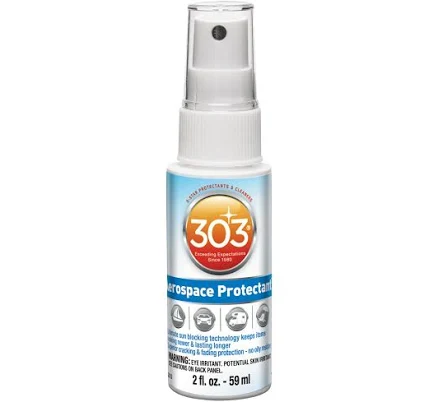
303 Products · Outdoor Furniture Cushion Protectants
303 AEROSPACE PROTECTANT
Water-repellent furniture coating; PFAS ingredients unconfirmed.
This silicone-based water and UV protectant lacks PFAS content or water-repellent treatment chemistry disclosure.
The better-graded swap
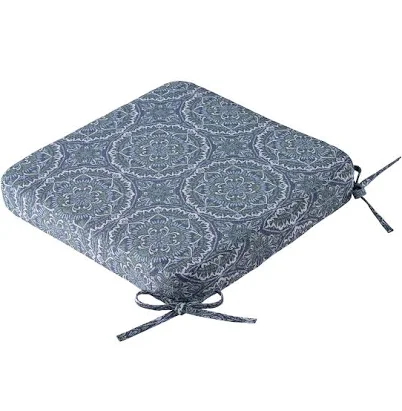
Better Homes & Gardens
Better Homes & Gardens 19 inch x 18 inch Rectangle Outdoor Seat Pad Cushion, 1-Piece, Medallion
75/100 safety
Same rubric that flunked this product. The swap earned Excellent.
Still want this one anyway? Check the price on Amazon. We’d swap it.
Material
Silicone-based protectant with unspecified water-repellent treatment
Brand disclosure
Brand is silent on PFAS
Lab data
No public lab test
What 303 AEROSPACE PROTECTANT is made of, ingredients and materials
303 Aerospace Protectant is a silicone-based spray formulation designed to repel water and UV damage on vinyl, plastic, rubber, and painted surfaces. The active ingredient is polydimethylsiloxane (PDMS), a silicone polymer generally recognized as stable and low-leach in typical indoor conditions. The critical gap, the brand does not publicly disclose the identity of its water-repellent treatment additives, which is where PFAS chemicals are commonly added to achieve durable hydrophobic performance. This opacity makes independent risk assessment incomplete.
What’s concerning
Category baseline
The starting point for this type of product, before anything specific to this product is counted.
Vague safety claims only
Uses vague language ("eco-friendly", "clean") without a specific PFAS statement.
Waterproof / stain-resistant treatment
Water-repellent coating treatments have historically used PFAS.
Volatile organic compounds (VOCs) / inhalation during application
Aerosol silicone formulations typically contain propellants and carrier solvents (often hydrocarbons or isobutane) that evaporate during and shortly after spraying. No specific VOC profile is published by the brand; prolonged inhalation during application can cause dizziness, headache, or respiratory irritation in sensitive individuals.
PFAS
The manufacturer does not disclose whether durability is achieved via short-chain fluorinated compounds, siloxane-based water repellents, or non-fluorinated alternatives. If fluorinated surfactants or similar agents are used, they may bioaccumulate in household dust and are difficult to remove after application.
Source, ATSDR ↗Silicone residue buildup and surface degradation over time
Repeated applications of silicone sprays on vinyl or plastic can create a slick, adherent layer that traps moisture underneath and promotes mold or discoloration in damp environments. This is particularly problematic on outdoor vinyl furniture in humid climates.
Allergen or sensitizer risk from undisclosed fragrance or preservatives
The product label does not itemize fragrance components or biocides used to prevent aerosol container degradation. Some users report skin or respiratory sensitivity to aerosol furniture protectants; without ingredient transparency, individual risk cannot be predicted.
What’s reassuring
Dust and residue accumulation on treated surfaces in indoor spaces
No documented acute hazard from normal use on furniture, but silicone films can attract and hold dust particles. Periodic gentle cleaning is recommended to prevent buildup, though no long-term health study of indoor silicone product accumulation in homes is publicly available.
The full breakdown
The brand's record and disclosure
303 Products (a division of Colgeam Ltd.) has not published PFAS content statements, safety data sheets with ingredient-level transparency, or third-party certifications for this product. The company markets the product as "aerospace-grade" but provides no audited sustainability or chemical safety credentials. No product recalls or documented health incidents linked to this specific formulation are on record, but the absence of adverse reports does not confirm absence of PFAS.
How it compares in its category
Furniture protectants in this category typically fall into three types, silicone-based (like this product), wax-based, and polyurethane-based. Silicone sprays are popular because they dry fast and leave minimal residue, but they often rely on fluorinated surfactants or PFAS-containing water-repellents to achieve durability. Products from brands with explicit PFAS-free certifications (e.g., certain ecologically-branded alternatives) or wax-based options may present lower chemical opacity, though they require more frequent reapplication.
If you buy it
Apply only to non-food-contact surfaces (outdoor furniture, dashboards, car interiors) in well-ventilated areas; silicone aerosolization can irritate airways. Do not spray near food preparation zones or upholstered furniture used in sleeping areas, as residue persistence is unknown. Reapply every 3-6 months depending on UV and water exposure. Store in a cool, dry place and never heat-treat or pressure-wash treated surfaces, as this may mobilize any residual additives.
What we don’t know
- Basis
- Model estimate, 35% confidence, not a lab result
- Lab test
- None on record for this exact product
- Brand statement
- 303 Products has made none
Formulations change between production runs, so check the current label. How we grade.
Better-graded alternatives in Outdoor Furniture Cushion Protectants
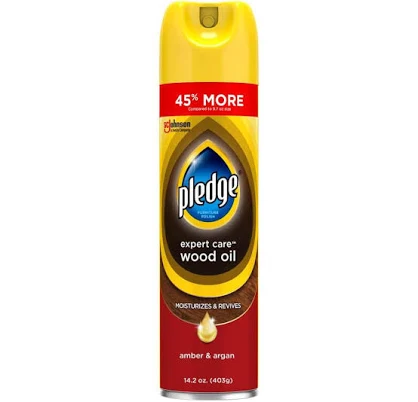
Pledge
14.2 oz. Amber and Argan Scent Furniture Moisturizing Oil
- mineral oil, argan oil blend
- We found no PFAS statement from the brand
- Fragrance allergens and undisclosed components
4 hazards checked on this product. See all of them.

West Elm
Cut Garden Flowers Pillow Cover
- 100% cotton canvas
- Azo dyes and dye contamination
3 hazards checked on this product. See all of them.
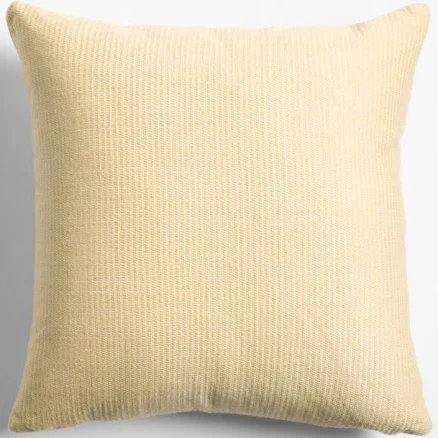
Crate and Barrel
Crate & Barrel Surya Yellow Throw Pillow
- Polyester, cotton, or cotton-blend fabric with standard dyes
- We found no PFAS statement from the brand
- Azo dyes and color migration
3 hazards checked on this product. See all of them.
More outdoor furniture cushion protectants grades
How we score, every product runs through the same public 0-100 rubric based on materials, coatings, brand disclosure, lab findings, and recalls. See the full methodology → Spotted a mistake? Report an error.