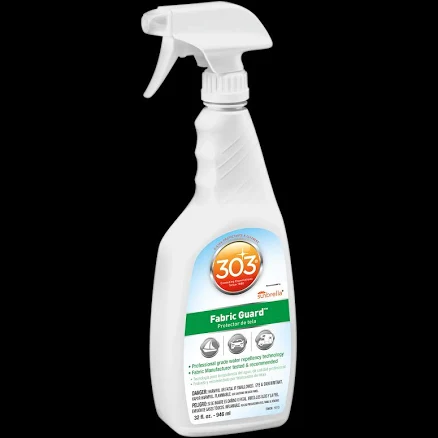
303 Products · Outdoor Furniture Cushion Protectants
303 Fabric Guard
Skip until brand discloses coating chemistry and PFAS status.
This stain and water-resistant protectant has undisclosed coating chemistry with no PFAS claims or third-party testing available.
The better-graded swap
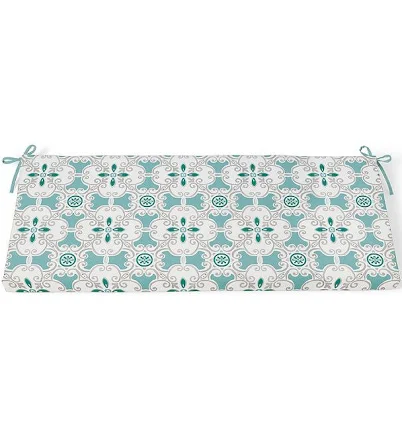
Grandin Road
45" X 18" Replacement Bench Cushion - Knife-Edge, Knife-Edge/Medallion Aquatic - Grandin Road
75/100 safety
Same rubric that flunked this product. The swap earned Excellent.
Still want this one anyway? Check the price on Amazon. We’d swap it.
Material
Proprietary fabric guard coating/treatment
Brand disclosure
Brand is silent on PFAS
Lab data
No public lab test
What 303 Fabric Guard is made of, ingredients and materials
303 Fabric Guard is a proprietary water and stain repellent spray coating. The exact chemistry is not disclosed by the manufacturer, which is the core transparency issue. Typical fabric guard formulations rely on silicone-based or fluorocarbon-based polymers to create a hydrophobic barrier. Without public ingredient disclosure, it is impossible to rule out synthetic water-repellent compounds that may contain PFAS or similar persistent chemicals.
What’s concerning
Category baseline
The starting point for this type of product, before anything specific to this product is counted.
Vague safety claims only
Uses vague language ("eco-friendly", "clean") without a specific PFAS statement.
Waterproof / stain-resistant treatment
Water-repellent coating treatments have historically used PFAS.
VOC and inhalation risk from spray application
The solvent carrier in aerosol fabric guards can release volatile organic compounds. Exposure during application may cause respiratory irritation or dizziness if used indoors without ventilation; risk is manageable with outdoor or well-ventilated use.
Coating degradation and reapplication frequency
Fabric guard coatings degrade with washing, dry cleaning, and UV exposure. Frequent reapplication increases cumulative chemical exposure on treated textiles; no public data on long-term buildup or off-gassing from multiple layers.
Allergic sensitization to fragrance or proprietary additives
Without full ingredient transparency, sensitization risk from undisclosed fragrance compounds or preservatives cannot be assessed. Risk varies by individual skin and inhalation sensitivity; rare but documented for similar consumer spray products.
What’s reassuring
Formaldehyde / VOCs
No formaldehyde or added flame retardant content has been reported for 303 Fabric Guard. However, the absence of ingredient disclosure means this cannot be ruled out. Concern is theoretical rather than documented.
Source, ATSDR ↗The full breakdown
The brand's record and disclosure
303 Products has not publicly disclosed the chemical composition of Fabric Guard or made statements regarding PFAS presence or absence. The brand does not list certifications like OEKO-TEX, bluesign, or GOTS that would signal third-party vetting for restricted chemicals. This silence on formulation details and regulatory compliance is the primary consumer concern; it prevents independent verification of safety claims.
How it compares in its category
Most consumer fabric guard sprays (Scotchgard, Guardsman, StarTex) also use proprietary formulas, though some now offer PFAS-free variants or third-party certification. 303 does not market a PFAS-free option or hold visible certifications. Competitors with transparent ingredient lists and certified PFAS-free formulations (e.g., Aunt Fannie's, some plant-oil-based sprays) offer more assurance, though they may perform differently on difficult stains.
If you buy it
Apply in a well-ventilated area outdoors or in an open window to minimize inhalation of spray aerosol. Test on a hidden seam or inconspicuous fabric corner first to check for discoloration or spotting. Reapply every 6-12 months depending on use and cleaning frequency. Do not use on delicate fabrics, leather, or suede unless the product specifically approves it. Wash hands and avoid contact with eyes and mouth after application.
What we don’t know
- Basis
- Model estimate, 35% confidence, not a lab result
- Lab test
- None on record for this exact product
- Brand statement
- 303 Products has made none
Formulations change between production runs, so check the current label. How we grade.
Better-graded alternatives in Outdoor Furniture Cushion Protectants
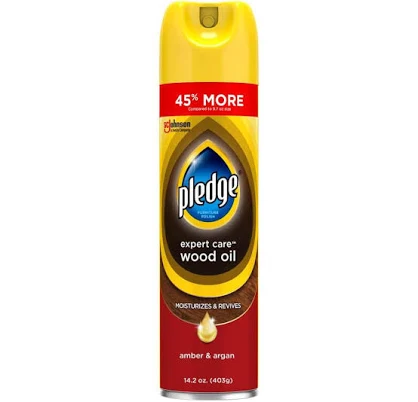
Pledge
14.2 oz. Amber and Argan Scent Furniture Moisturizing Oil
- mineral oil, argan oil blend
- We found no PFAS statement from the brand
- Fragrance allergens and undisclosed components
4 hazards checked on this product. See all of them.

West Elm
Cut Garden Flowers Pillow Cover
- 100% cotton canvas
- Azo dyes and dye contamination
3 hazards checked on this product. See all of them.
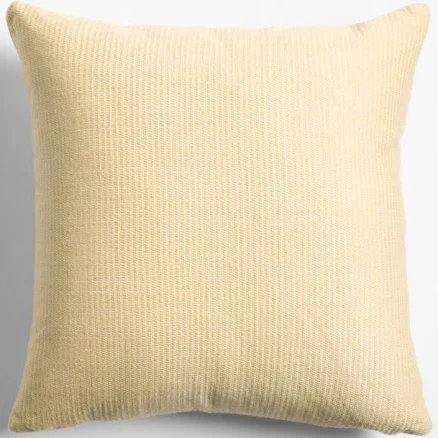
Crate and Barrel
Crate & Barrel Surya Yellow Throw Pillow
- Polyester, cotton, or cotton-blend fabric with standard dyes
- We found no PFAS statement from the brand
- Azo dyes and color migration
3 hazards checked on this product. See all of them.
More outdoor furniture cushion protectants grades
How we score, every product runs through the same public 0-100 rubric based on materials, coatings, brand disclosure, lab findings, and recalls. See the full methodology → Spotted a mistake? Report an error.