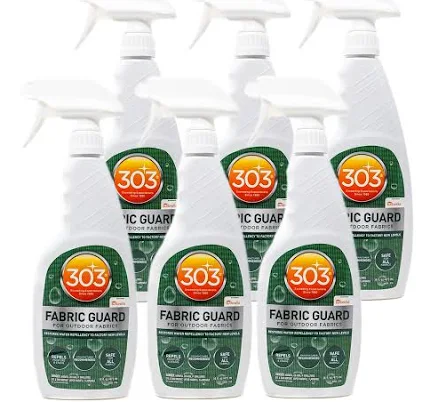
303 Products · Outdoor Furniture Cushion Protectants
Gold Eagle 303 Products Fabric Guard Water Stain Repellent Spray
Skip until brand discloses coating chemistry or third-party testing.
Uses water and stain repellent treatment with no chemical composition or PFAS testing disclosure. water-repellent coating sprays commonly contain fluorinated compounds.
The better-graded swap
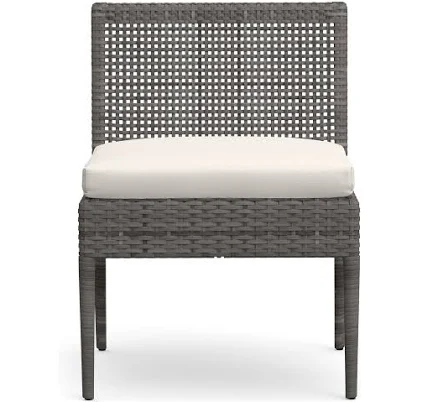
Pottery Barn
Pottery Barn Cammeray Dining Chair Cushion Slipcover
75/100 safety
Same rubric that flunked this product. The swap earned Excellent.
Still want this one anyway? Check the price on Amazon. We’d swap it.
Material
water and stain repellent coating, composition undisclosed
Brand disclosure
Brand is silent on PFAS
Lab data
No public lab test
What Gold Eagle 303 Products Fabric Guard is made of, ingredients and materials
303 Fabric Guard is a water and stain repellent spray applied topically to upholstery, carpets, and textiles. The exact chemical composition is proprietary and not disclosed on the label or safety data sheet, which is typical for consumer-grade repellent sprays but raises questions about whether the coating relies on fluorochemicals (PFAS) or alternative binders. Water and stain repellents work by creating a hydrophobic layer on fabric fibers; the nature of that layer determines both performance and safety.
What’s concerning
Category baseline
The starting point for this type of product, before anything specific to this product is counted.
Vague safety claims only
Uses vague language ("eco-friendly", "clean") without a specific PFAS statement.
Waterproof / stain-resistant treatment
Water-repellent coating treatments have historically used PFAS.
Volatile Organic Compounds (VOCs) from spray propellant and carriers
Aerosol or pump spray products release propellants and solvent carriers into air; full ingredient list is not disclosed, so VOC type and concentration cannot be confirmed, but typical fabric guards include light hydrocarbons or alcohols as carriers.
Inhalation risk from spray application
Topical spray application creates an inhalation exposure route, especially in enclosed spaces. No safety data sheet provides respiratory guidance, though the product label recommends ventilation, indicating the manufacturer acknowledges this hazard.
Dermal or ocular irritation from undisclosed actives
The active hydrophobic compounds are not named; accidental skin or eye contact during application could cause irritation, but specific irritancy data is not publicly available beyond standard warnings to avoid contact.
Off-gassing or coating residue on fabric after curing
Once dry, residual oligomers or uncrosslinked binders may off-gas slowly over days to weeks, particularly on heated furniture or in warm rooms; no data on long-term emission profiles exists.
What’s reassuring
Formaldehyde / VOCs
No evidence this product contains formaldehyde-releasing resins typical of some textile treatments. If applied to furniture already treated with wrinkle-resistance or flame-retardant finishes, interactions are not documented.
Source, ATSDR ↗The full breakdown
The brand's record and disclosure
303 Products is a long-standing automotive and home care brand but has not published detailed safety disclosures, third-party test results, or commitments to phasing out PFAS from its formulations. The brand remains silent on whether this product contains perfluorinated compounds, which is a significant transparency gap for a product designed for repeated contact with living spaces. No major recalls or safety litigation tied to this specific product are documented in public records.
How it compares in its category
Most fabric guard sprays in this category rely on either fluorochemical or non-fluorinated polymer systems; 303 does not distinguish itself publicly. Competitors like Scotchgard (3M) now offer PFOA-free formulations and are more transparent about chemistry, though 3M has faced lawsuits over legacy PFAS use. Without disclosure, 303 Fabric Guard sits in a middle ground of average transparency for a mainstream consumer product.
If you buy it
Apply in a well-ventilated space (spray application releases aerosol fumes) and allow fabric to dry fully before contact or use. Reapplication is typically needed every 6-12 months depending on traffic and washing frequency. If brand eventually discloses PFAS content, reassess storage and disposal; do not incinerate. Consider alternatives with published PFAS-free claims if indoor air quality is a priority in your home.
What we don’t know
- Basis
- Model estimate, 35% confidence, not a lab result
- Lab test
- None on record for this exact product
- Brand statement
- 303 Products has made none
Formulations change between production runs, so check the current label. How we grade.
Better-graded alternatives in Outdoor Furniture Cushion Protectants
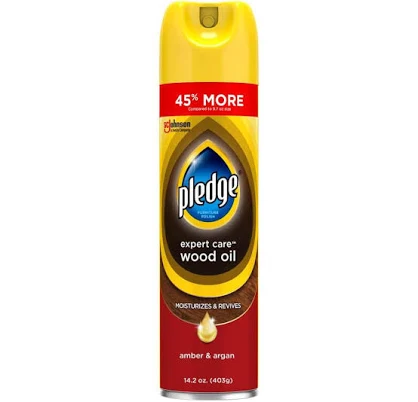
Pledge
14.2 oz. Amber and Argan Scent Furniture Moisturizing Oil
- mineral oil, argan oil blend
- We found no PFAS statement from the brand
- Fragrance allergens and undisclosed components
4 hazards checked on this product. See all of them.

West Elm
Cut Garden Flowers Pillow Cover
- 100% cotton canvas
- Azo dyes and dye contamination
3 hazards checked on this product. See all of them.
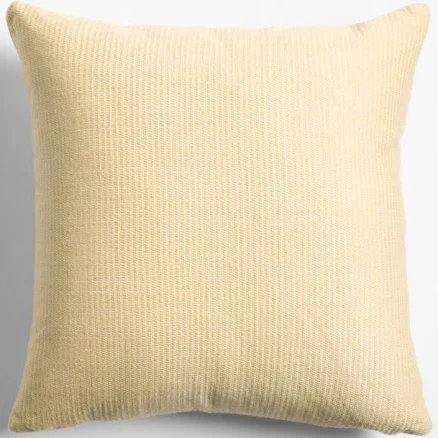
Crate and Barrel
Crate & Barrel Surya Yellow Throw Pillow
- Polyester, cotton, or cotton-blend fabric with standard dyes
- We found no PFAS statement from the brand
- Azo dyes and color migration
3 hazards checked on this product. See all of them.
More outdoor furniture cushion protectants grades
How we score, every product runs through the same public 0-100 rubric based on materials, coatings, brand disclosure, lab findings, and recalls. See the full methodology → Spotted a mistake? Report an error.