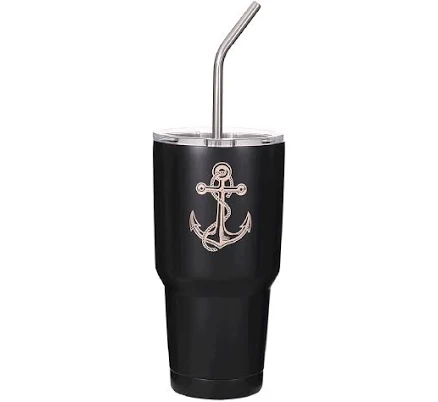
Anchor · Insulated Drink Tumblers
Anchor Tumbler Cup 30oz
Lower concern. Borosilicate glass is not a material linked to PFAS.
Anchor's tumbler is made of borosilicate glass, which is not a material associated with PFAS. No coating or water-repellent finish is on record. The brand has no PFAS statement on record.
We flunk more products than we pass. This one earned its grade. How we grade
Material
borosilicate glass
Brand disclosure
Brand is silent on PFAS
Lab data
No public lab test
What Anchor Tumbler Cup 30oz is made of, ingredients and materials
Borosilicate glass is a silica-based material with 5-15% boric oxide, which lowers the melting point and increases thermal shock resistance compared to standard soda-lime glass. This composition makes it non-reactive with foods and beverages, meaning it does not leach chemicals into contents even under temperature stress. The material is chemically stable across pH ranges and does not degrade over time from normal dishwashing or hot liquid exposure. Borosilicate glass is not a material linked to PFAS and has no known heavy metal contaminants in the base material.
What’s concerning
Category baseline
The starting point for this type of product, before anything specific to this product is counted.
No PFAS disclosure
No public statement from the brand about PFAS in this product.
Physical breakage and sharp edges
Glass tumblers can chip or crack with impact or thermal shock, creating sharp edges. The 30oz size is relatively sturdy but rim damage from dishwashing wear is cosmetically common and may pose a minor cutting risk over years of use.
Thermal shock cracking
Borosilicate is more resistant than soda-lime glass but can still crack if transferred directly from freezer to hot liquid or heated surfaces. This does not create chemical hazards, only breakage risk and potential for sharp fragments.
What’s reassuring
Base material not linked to PFAS
The main material recorded for this product is not one associated with PFAS.
Lead
Borosilicate glass used in food-contact vessels is not manufactured with lead or cadmium as intentional additives in standard commercial production. No recalls or test failures on record for Anchor brand glassware in this regard.
Source, ATSDR ↗Coating or surface contaminants
This product is uncoated borosilicate glass with no enamel, glaze, or resin applied. No hazards from degrading coatings or surface treatments are present or documented.
Microplastic shedding
Glass is inorganic and does not shed microplastics under any use condition, including heating. This is inherently a non-issue for this material class.
The full breakdown
The brand's record and disclosure
Anchor Hocking is a long-established US glassware manufacturer with no documented safety recalls or hazard disclosures for drinking vessels. The brand does not publicly disclose detailed material sourcing or third-party safety certifications for this product line. No credible controversies regarding chemical safety, labor practices, or environmental violations are on record. Silence on PFAS stance is typical for glass manufacturers, as the material class itself presents no hazard of this kind on record.
How it compares in its category
Borosilicate glass tumblers show lower concern for PFAS and heavy metals compared to plastic (BPA, phthalate risk), ceramic-coated cups (lead in glazes possible), and metal lined vessels (interior coating unknown). Unlike insulated plastic tumblers, borosilicate does not shed microplastics when heated. The 30oz size is standard and poses no unique hazard. Anchor's pricing and availability make it a practical alternative to premium brands like Pyrex, with equivalent safety profiles.
If you buy it
Borosilicate glass can withstand temperatures from freezer to oven (typically up to 400-500°F) but avoid sudden temperature swings that may cause thermal shock and cracking. Hand wash or use gentle dishwasher cycles to minimize chipping and rim degradation; chipped edges are sharp but do not introduce leaching risk. Replace if the rim becomes significantly worn or the glass develops internal stress cracks. No special maintenance is required; standard soap and water cleaning is sufficient.
What we don’t know
- Basis
- Model estimate, 85% confidence, not a lab result
- Lab test
- None on record for this exact product
- Brand statement
- Anchor has made none
Formulations change between production runs, so check the current label. How we grade.
Better-graded alternatives in Insulated Drink Tumblers
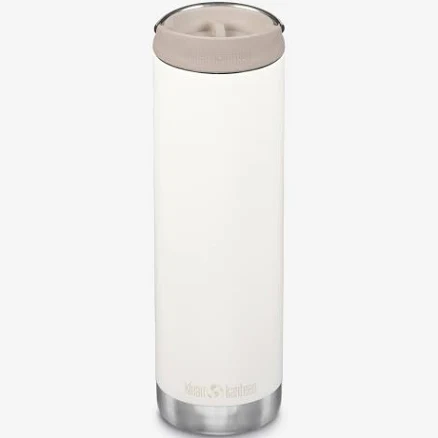
Klean Kanteen
20oz TKWide with Café Cap, Tofu
- Stainless steel bottle, stainless steel cap
- The brand calls it PFAS-free, which we have not verified
- Powder-coat cap degradation over time
3 hazards checked on this product. See all of them.
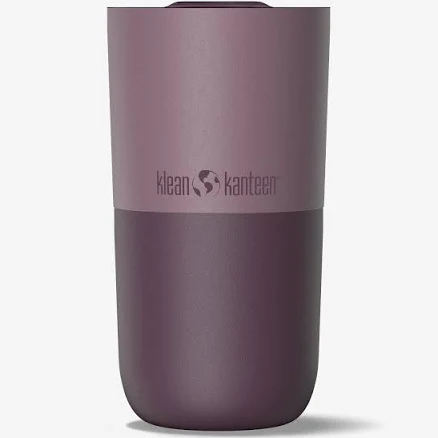
Klean Kanteen
16oz Rise Tumbler
- Stainless steel body, powder-coat finish
- The brand calls it PFAS-free, which we have not verified
- Powder-coat finish degradation
3 hazards checked on this product. See all of them.
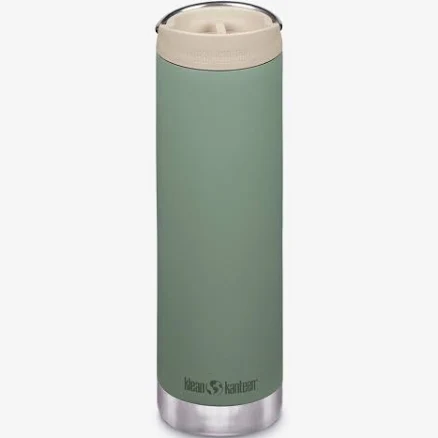
Klean Kanteen
Insulated TKWide Cap
- Stainless steel bottle, plastic cap and silicone gasket
- The brand calls it PFAS-free, which we have not verified
- Silicone gasket degradation and leaching
3 hazards checked on this product. See all of them.
More insulated drink tumblers grades
How we score, every product runs through the same public 0-100 rubric based on materials, coatings, brand disclosure, lab findings, and recalls. See the full methodology → Spotted a mistake? Report an error.