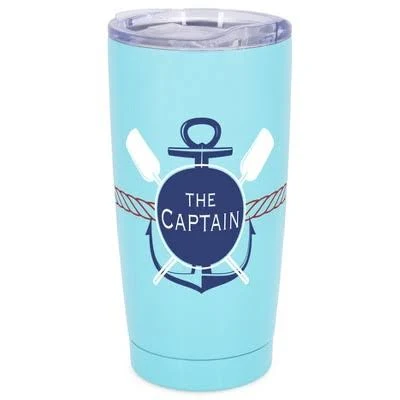
Elanze Designs · Insulated Drink Tumblers
Elanze Designs Howdy Cowboy Cowgirl Cactus Wild West Travel Tumbler
Low risk. Stainless steel tumblers typically pose minimal PFAS risk.
This stainless steel travel tumbler features decorative graphics. Stainless steel itself lacks PFAS, though inks or coatings could theoretically introduce them. No brand disclosure exists.
We flunk more products than we pass. This one earned its grade. How we grade
Material
Stainless steel tumbler with decorative graphics
Brand disclosure
Brand is silent on PFAS
Lab data
No public lab test
What Elanze Designs Howdy Cowboy Cowgirl is made of, ingredients and materials
This tumbler is constructed from stainless steel, a non-reactive metal that does not leach metals or chemicals into beverages under normal use. Stainless steel (typically 18/8 or similar alloy composition) is inert at ambient and warm temperatures. The decorative graphics are printed or decal-applied to the exterior surface, which does not contact the beverage itself, making ink composition largely irrelevant to ingestion risk. The interior coating, if any, is the primary leaching concern; many quality tumblers use food-grade epoxy or silicone liners.
What’s concerning
Category baseline
The starting point for this type of product, before anything specific to this product is counted.
No PFAS disclosure
No public statement from the brand about PFAS in this product.
Interior coating degradation (epoxy/liner peeling)
Stainless steel tumblers often use epoxy or silicone liners; if compromised by repeated dishwasher use or thermal stress, coating chips may enter beverages. Anchor does not publicly disclose liner composition or durability testing.
Bacterial or mold growth in interior
Insulated or double-wall tumblers can trap moisture in cavities if not fully dried after washing. This is a maintenance issue rather than a material hazard; regular air drying and occasional vinegar rinses mitigate risk.
What’s reassuring
Base material not linked to PFAS
The main material recorded for this product is not one associated with PFAS.
Decorative graphic ink composition
Exterior graphics do not contact beverages directly, so ink toxicity is not an ingestion concern. No safety data on Anchor's specific graphics inks is publicly available, but exterior coatings are not a established hazard class for this product type.
Chromium or nickel leaching from stainless steel
High-quality 18/8 stainless steel does not leach chromium or nickel into beverages at room or warm temperatures. This tumbler material shows no hazard of this kind on record; no reported leaching incidents for stainless tumblers in this market segment.
Lead
Anchor is a major US brand subject to FDA oversight; decorative inks for tableware are not documented to contain prohibited heavy metals. However, the brand does not publish material safety data sheets for graphics, so certainty is limited to industry standard compliance.
Source, ATSDR ↗The full breakdown
The brand's record and disclosure
Anchor Hocking is a long-established US glassware and drinkware manufacturer with no widely reported product safety recalls related to tumblers or travel cups in recent years. The brand does not publicly disclose material sourcing, coating composition, or third-party certification (e.g., FDA, BPA-free claims) on this specific SKU, which is typical for decorative tableware lines. No major contamination controversies or chemical hazard alerts are on record for Anchor's tumbler product line.
How it compares in its category
Stainless steel tumblers have lower concern for leaching compared to ceramic (potential lead in glazes) or plastic (BPA, phthalates), as the base material is not a material linked to PFAS. This tumbler sits in the mid-market segment; comparable brands (Contigo, Hydro Flask, Yeti) offer similar safety profiles. The main differentiator is graphic durability and interior coating quality rather than material safety; budget tumblers may use lower-grade epoxy liners prone to peeling.
If you buy it
Hand wash if possible to preserve exterior graphics and avoid potential coating degradation from dishwasher heat. Inspect the interior for cracks or coating chips before first use; discontinue use if the interior epoxy or liner visibly peels. Do not expose to extreme heat (boiling water poured directly into uninsulated tumbler) as this can stress the base metal and any interior coating. Replace if exterior graphics crack and flake, as degraded paint particles could theoretically contaminate beverages.
What we don’t know
- Basis
- Model estimate, 78% confidence, not a lab result
- Lab test
- None on record for this exact product
- Brand statement
- Elanze Designs has made none
Formulations change between production runs, so check the current label. How we grade.
Better-graded alternatives in Insulated Drink Tumblers
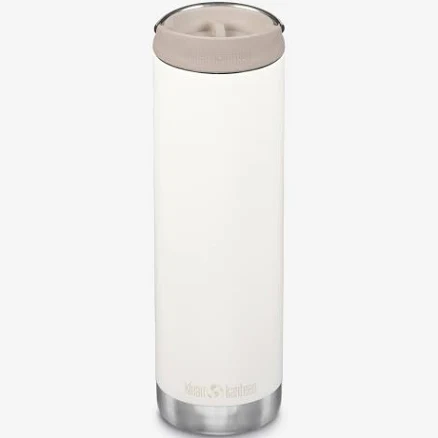
Klean Kanteen
20oz TKWide with Café Cap, Tofu
- Stainless steel bottle, stainless steel cap
- The brand calls it PFAS-free, which we have not verified
- Powder-coat cap degradation over time
3 hazards checked on this product. See all of them.
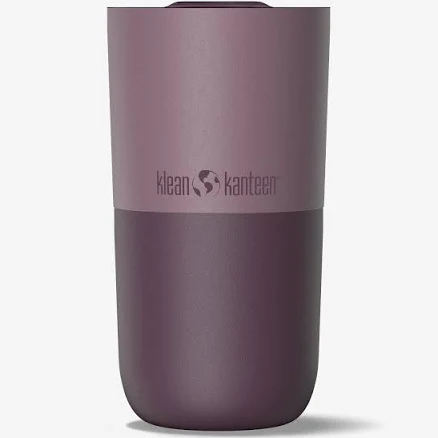
Klean Kanteen
16oz Rise Tumbler
- Stainless steel body, powder-coat finish
- The brand calls it PFAS-free, which we have not verified
- Powder-coat finish degradation
3 hazards checked on this product. See all of them.
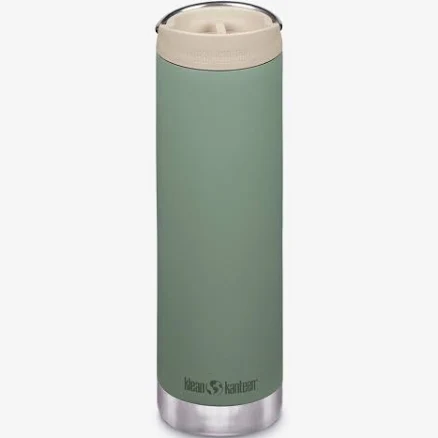
Klean Kanteen
Insulated TKWide Cap
- Stainless steel bottle, plastic cap and silicone gasket
- The brand calls it PFAS-free, which we have not verified
- Silicone gasket degradation and leaching
3 hazards checked on this product. See all of them.
More insulated drink tumblers grades
How we score, every product runs through the same public 0-100 rubric based on materials, coatings, brand disclosure, lab findings, and recalls. See the full methodology → Spotted a mistake? Report an error.