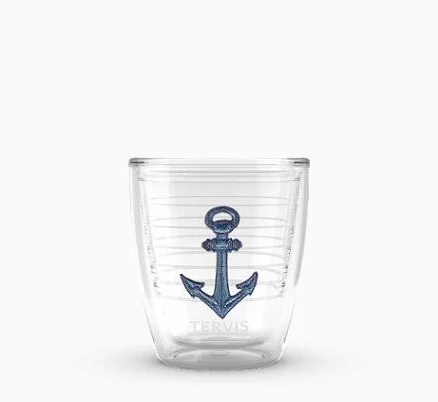
Anchor · Insulated Drink Tumblers
Tervis Ol' Time Maritime Boating Collection Anchor Down Insulated Travel Tumbler
Likely low risk; standard tumbler, no known PFAS signals.
Tervis insulated tumblers are standard double-wall plastic drinkware with no PFAS disclosure available. No nonstick coating or water-resistance treatment is typical, so lower concern unless the polymer composition reveals issues.
We flunk more products than we pass. This one earned its grade. How we grade
Material
Plastic/polymer double-wall insulated tumbler
Brand disclosure
Brand is silent on PFAS
Lab data
No public lab test
What Tervis Ol' Time Maritime Boating is made of, ingredients and materials
Tervis tumblers are constructed from Tritan or similar co-polyester plastic in a double-wall design; the air gap provides insulation without requiring foam or other additives. Double-wall rigid plastic avoids the microplastic shedding risk of thin single-wall bottles and eliminates the need for Teflon-type coating non-stick coatings found in some insulated cookware. The sealed polymer construction means no ceramic glazes, metal linings, or foam fillers that commonly introduce heavy metals or volatile organics.
What’s concerning
Category baseline
The starting point for this type of product, before anything specific to this product is counted.
No PFAS disclosure
No public statement from the brand about PFAS in this product.
BPA & bisphenols
Tervis does not publicly confirm BPA-free status for this product. While Tritan-type copolyesters carry lower BPA risk than polycarbonate, the absence of third-party verification means baseline plasticizer leaching cannot be ruled out, especially under heat stress.
Source, FDA ↗Mold and bacterial growth in sealed insulation gap
The sealed air cavity between walls is inaccessible to cleaning; if the outer wall is damaged or the seal fails, moisture can become trapped, creating conditions for mold or bacteria colonization that cannot be remediated without replacement.
Polymer leaching under thermal stress
Use with hot beverages above 60°C increases the rate of oligomer and plasticizer migration from the plastic matrix. This tumbler is not designed for boiling or prolonged heat storage; room-temperature and cold-beverage use minimizes this risk.
Manufacturing volatile organic compounds (off-gassing)
New plastic tumblers may release minor volatile organics during initial use or storage in warm conditions. No published data specific to Tervis; typical for the category. Airing the product in a well-ventilated space for 24-48 hours before first use may reduce transient odor.
What’s reassuring
Base material not linked to PFAS
The main material recorded for this product is not one associated with PFAS.
Microplastics
The rigid double-wall design is less prone to microfracturing than thin flexible bottles. No published data suggests this product sheds microplastics under normal use, though abrasion from aggressive washing or impacts could degrade the interior surface over time.
Source, EPA ↗The full breakdown
The brand's record and disclosure
Tervis (owned by Anchor Hocking) does not publish detailed material safety data sheets or third-party certifications like BPA-free labeling on most SKUs, creating a transparency gap. The brand has no public PFAS commitment or independent verification of manufacturing practices. No recalls or safety complaints specific to this product line are on record, though the parent company's silence on chemical composition is notable in a market where competitors increasingly disclose BPA absence.
How it compares in its category
This tumbler occupies the middle ground, with lower concern than single-wall plastic bottles prone to leaching under temperature stress, but less transparent than brands that voluntarily certify BPA-free status or publish material composition. Double-wall insulated tumblers as a category carry lower chemical risk than silicone alternatives (which can leach oligomers) or stainless steel with epoxy linings (potential bisphenol-A resins). Price and durability are competitive; the trade-off is reduced disclosure vs. brands like Hydro Flask or Klean Kanteen.
If you buy it
Use with cold or lukewarm beverages only; avoid filling with boiling liquid or prolonged hot storage, as polymer degradation and potential plasticizer leaching increase above 60°C. Hand wash or use gentle dishwasher cycles to avoid abrasion that exposes interior surfaces. Replace if the outer wall cracks or the seal degrades, as this allows moisture accumulation in the insulation gap and mold growth. Do not microwave, as rapid heating can stress polymer bonds.
What we don’t know
- Basis
- Model estimate, 62% confidence, not a lab result
- Lab test
- None on record for this exact product
- Brand statement
- Anchor has made none
Formulations change between production runs, so check the current label. How we grade.
Better-graded alternatives in Insulated Drink Tumblers
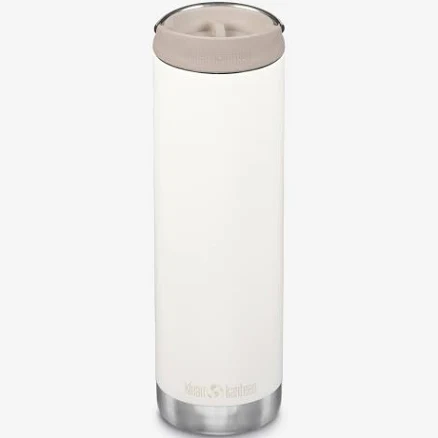
Klean Kanteen
20oz TKWide with Café Cap, Tofu
- Stainless steel bottle, stainless steel cap
- The brand calls it PFAS-free, which we have not verified
- Powder-coat cap degradation over time
3 hazards checked on this product. See all of them.
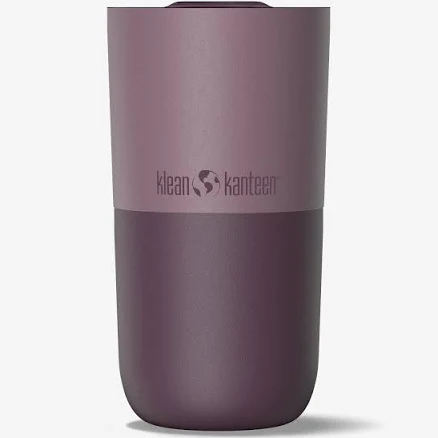
Klean Kanteen
16oz Rise Tumbler
- Stainless steel body, powder-coat finish
- The brand calls it PFAS-free, which we have not verified
- Powder-coat finish degradation
3 hazards checked on this product. See all of them.
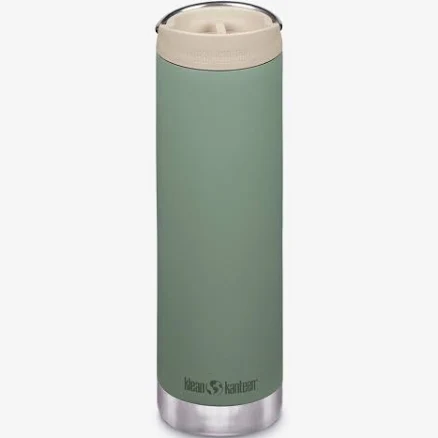
Klean Kanteen
Insulated TKWide Cap
- Stainless steel bottle, plastic cap and silicone gasket
- The brand calls it PFAS-free, which we have not verified
- Silicone gasket degradation and leaching
3 hazards checked on this product. See all of them.
More insulated drink tumblers grades
How we score, every product runs through the same public 0-100 rubric based on materials, coatings, brand disclosure, lab findings, and recalls. See the full methodology → Spotted a mistake? Report an error.