Apple · Water-Resistant Smart Rings & Bands
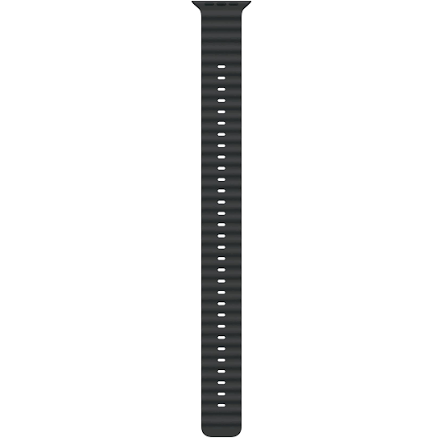
Apple Watch Band Extension
Standard elastomer unlikely to contain PFAS-treated coatings.
Apple extension uses silicone or fluoroelastomer without advertised water-resistant finishes. No PFAS claims made, material suggests lower risk.
The better-graded swap
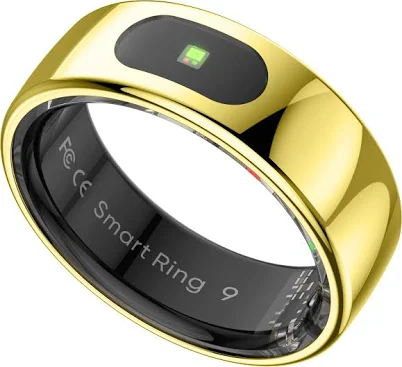
IMIKI
IMIKI Smart Ring
85/100 safety
Same rubric that flunked this product. The swap earned Excellent.
Still want this one anyway? Check the price on Amazon. We’d swap it.
Material
Fluoroelastomer (FKM) or silicone band with metal hardware
Brand disclosure
Brand is silent on PFAS
Lab data
No public lab test
You may also be interested in
Top-graded picks in the categories readers replace first, every one scored on the same rubric.

- polypropylene filter housing, carbon/sediment cartridge
- We found no PFAS statement from the brand
- Bacterial growth in spent cartridges
3 hazards checked on this product, all on its full breakdown.

Aquasure
Premier Series 75 GPD Under Sink Reverse Osmosis Water Filtration System
- RO membrane, carbon filters, stainless steel housing
- We found no PFAS statement from the brand
- Bacterial and microbial growth in housing and filters
4 hazards checked on this product, all on its full breakdown.

Avocado
Vegan Mattress
- organic cotton, natural latex, coconut coir, recycled steel coils
- The brand calls it PFAS-free, which we have not verified
- Heavy metals
2 hazards checked on this product, all on its full breakdown.
What Apple Watch Band Extension is made of, ingredients and materials
Apple Watch Band Extensions are constructed from fluoroelastomer (FKM, also called Viton) or medical-grade silicone, both synthetic elastomers chosen for flexibility, durability, and skin contact safety. FKM is inherently non-porous and resistant to degradation, while silicone is chemically inert and widely used in medical devices. The metal hardware (typically stainless steel) poses minimal leaching risk in a dry-wear application. Neither material is known to off-gas volatile organic compounds at body temperature.
What’s concerning
No PFAS disclosure
No public statement from the brand about PFAS in this product.
Category baseline
The starting point for this type of product, before anything specific to this product is counted.
Metal hardware corrosion and nickel leaching
The stainless steel hardware is generally corrosion-resistant, but repeated sweat and water exposure over years may cause micro-corrosion. Nickel content in stainless steel alloys is typically below skin-sensitizing thresholds, but no third-party analysis of Apple's specific alloy has been published.
Bacterial and mold growth in band crevices
Silicone and FKM are non-porous and resist microbial colonization, but water and sweat trapped in the band-to-hardware junction can support mold or odor-causing bacteria if not dried regularly. This is a hygiene issue rather than a material toxicity hazard.
What’s reassuring
Base material not linked to PFAS
The main material recorded for this product is not one associated with PFAS.
Heavy metals
FKM and silicone are inherently colored or dyed during manufacturing. Apple has not disclosed the colorant chemistry or tested for banned azo dyes or heavy metal pigments (cadmium, lead) in band dyes; no recalls or complaints have been filed.
Source, FDA ↗Volatile organic compound (VOC) off-gassing
FKM and silicone elastomers do not typically off-gas odorous compounds at body temperature. New bands may have a mild odor from manufacturing residues, which dissipates within days of normal wear.
Formaldehyde / VOCs
Elastomer bands do not use formaldehyde-releasing tanning agents (common in leather). No evidence of formaldehyde-based curing residues has been reported for modern silicone or FKM wristbands.
Source, ATSDR ↗How is this PFAS grade calculated?
The brand's record and disclosure
Apple does not publicly disclose detailed material safety data sheets for watch bands, and no formal third-party safety certifications (e.g., oeko-tex, GOTS) have been announced for this product line. The company has faced no recalls or public safety complaints linked to watch band chemical composition. Apple's general sustainability messaging emphasizes material sourcing but lacks transparency on chemical processing or restricting hazardous dyes in elastomer bands.
How it compares in its category
Elastomer watch bands (including silicone alternatives from other vendors) are considered a lower-risk wearable category because they avoid metal allergy issues and do not absorb sweat like fabric. FKM bands are more chemically resistant than lower-cost TPU or PVC bands, which can degrade faster and potentially leach plasticizers. Apple's bands sit at the premium end of material quality for this category, with no published evidence of azo dyes, heavy metal pigments, or flame retardants in the composition.
If you buy it
Wash the band with mild soap and water weekly to prevent bacterial or mold growth in crevices, especially if worn during exercise. Avoid prolonged exposure to high heat (>60 degrees Celsius / 140 Fahrenheit) to prevent any minor softening, though the band is designed for body-temperature wear. Replace the band if visible cracking, discoloration, or separation from metal hardware occurs, as these indicate material breakdown. No special storage precautions are needed; keep dry when not in use.
What is not known about PFAS in this product?
- Basis
- Model estimate, 62% confidence, not a lab result
- Lab test
- None on record for this exact product
- Brand statement
- Apple has made none
Formulations change between production runs, so check the current label. How we grade.
More water-resistant smart rings & bands grades
How we score, every product runs through the same public 0-100 rubric based on materials, coatings, brand disclosure, lab findings, and recalls. See the full methodology → Spotted a mistake? Report an error.