Apple · Waterproof Fitness Trackers & Cases
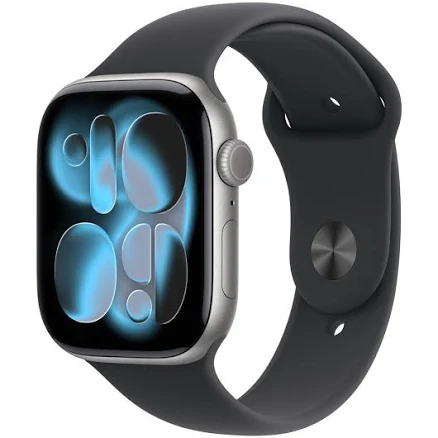
Apple Watch Series 11 GPS 42mm Aluminum Case Sport Band
Likely lower concern, but Apple discloses no PFAS content.
Apple Watch Series 11 combines aluminum and elastomer with water-resistant treatment and no public PFAS disclosure. Band materials rarely face PFAS testing.
The better-graded swap
Amazfit
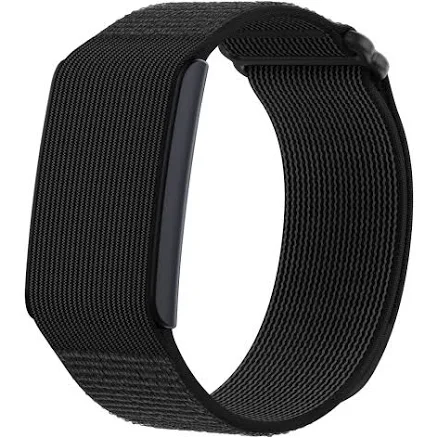
Amazfit Helio Strap Fitness Tracker
85/100 safety
Same rubric that flunked this product. The swap earned Excellent.
Still want this one anyway? Check the price on Amazon. We’d swap it.
Material
Aluminum case, fluoroelastomer sport band with water-resistant treatment
Brand disclosure
Brand is silent on PFAS
Lab data
No public lab test
You may also be interested in
Top-graded picks in the categories readers replace first, every one scored on the same rubric.

- polypropylene filter housing, carbon/sediment cartridge
- We found no PFAS statement from the brand
- Bacterial growth in spent cartridges
3 hazards checked on this product, all on its full breakdown.

Aquasure
Premier Series 75 GPD Under Sink Reverse Osmosis Water Filtration System
- RO membrane, carbon filters, stainless steel housing
- We found no PFAS statement from the brand
- Bacterial and microbial growth in housing and filters
4 hazards checked on this product, all on its full breakdown.

Avocado
Vegan Mattress
- organic cotton, natural latex, coconut coir, recycled steel coils
- The brand calls it PFAS-free, which we have not verified
- Heavy metals
2 hazards checked on this product, all on its full breakdown.
What Apple Watch Series 11 GPS Case Sport Band is made of, ingredients and materials
The case is 7000-series aluminum alloy (same as iPhone frames), anodized for corrosion resistance. The Sport Band is fluoroelastomer (FKM synthetic rubber), treated with a fluorinated water-resistant coating. Aluminum anodizing creates a stable oxide barrier that prevents direct skin contact with raw metal. Fluoroelastomer is chemically inert and widely used in medical-grade applications, making leaching into skin or sweat unlikely under normal wear.
What’s concerning
Category baseline
The starting point for this type of product, before anything specific to this product is counted.
No PFAS disclosure
No public statement from the brand about PFAS in this product.
Waterproof / stain-resistant treatment
Water-repellent coating treatments have historically used PFAS.
Fluoroelastomer degradation and VOC release
New fluoroelastomer bands may release trace volatile organic compounds during first weeks; no quantified health impact in published literature. Off-gassing is typical for elastomers and decreases with normal use.
Bacterial or fungal growth under band
Any wearable band traps moisture and sweat against skin, creating conditions for microbial growth if not regularly cleaned. This is a usage hazard, not a material hazard; weekly washing mitigates risk.
PFAS
Fluorinated water-repellent treatments on bands commonly contain PFAS; Apple does not disclose content or testing. Risk depends on PFAS type, migration rate, and duration of skin contact, all unknown for this product.
Source, ATSDR ↗What’s reassuring
Aluminum alloy oxidation and skin exposure
Anodizing creates a stable barrier; documented cases of aluminum leaching through intact anodized coatings on wearables are absent. Risk is negligible unless coating is visibly scratched or eroded.
Nickel from aluminum alloy impurities
7000-series aluminum used by Apple contains minimal nickel (typically <0.1% by specification). No recalls or widespread dermatitis complaints linked to Series watches.
How is this PFAS grade calculated?
The brand's record and disclosure
Apple publishes detailed material safety data sheets for devices and components on its website, including restricted substance testing for lead, cadmium, and phthalates. However, Apple has not publicly disclosed PFAS content in wearables or water-resistant coatings, despite industry pressure. The company does not seek independent certifications (e.g., Oeko-Tex) for wearables, relying instead on internal compliance. This transparency gap is notable given fluorinated treatments commonly contain PFAS, though Apple's silence does not confirm presence.
How it compares in its category
Smartwatches typically use stainless steel, titanium, or aluminum cases paired with elastomer or leather bands. The Series 11 aluminum case is lighter and less prone to nickel leaching than steel alternatives, but also less durable long-term. Fluoroelastomer is standard for sport bands across brands (including Garmin, Fitbit); it outperforms silicone in durability but may off-gas volatile compounds during manufacturing. Most competitors, including Apple, do not disclose PFAS in water-repellent finishes.
If you buy it
Wash the band weekly with soap and water to remove sweat and bacteria buildup, which reduces skin irritation risk. Avoid prolonged exposure to chlorinated pools or saltwater, which can degrade the anodized coating over years. The band is replaceable (approximately 50 USD) when material fatigue occurs, typically after 2-3 years of daily wear. If you develop skin rashes after wearing, rinse thoroughly and test a different material band to rule out contact sensitization.
What is not known about PFAS in this product?
- Basis
- Model estimate, 55% confidence, not a lab result
- Lab test
- None on record for this exact product
- Brand statement
- Apple has made none
Formulations change between production runs, so check the current label. How we grade.
What are the PFAS-free alternatives to Apple Watch Series 11 GPS 42mm Aluminum Case Sport Band?
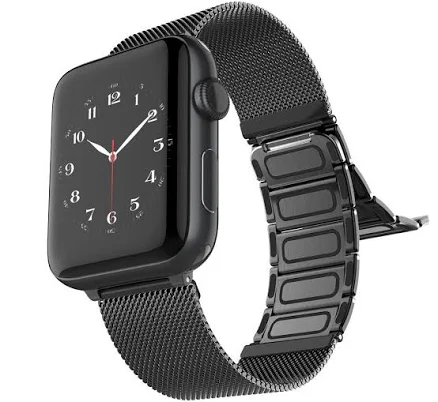
- Stainless steel, magnetic closure
- We found no PFAS statement from the brand
- Nickel leaching from stainless steel
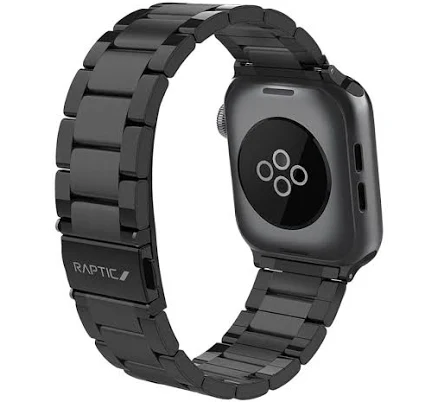
- Stainless steel band, magnetic closure
- We found no PFAS statement from the brand
- Nickel leaching from stainless steel
3 hazards checked on this product, all on its full breakdown.
Find an alternative on Amazon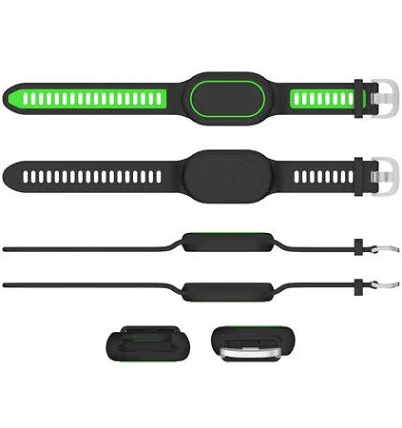
- food-grade silicone
- Microplastic shedding
3 hazards checked on this product, all on its full breakdown.
More waterproof fitness trackers & cases grades
How we score, every product runs through the same public 0-100 rubric based on materials, coatings, brand disclosure, lab findings, and recalls. See the full methodology → Spotted a mistake? Report an error.