Briko-Maplus · Ski & Sports Wax
LP2 Hot Liquid Paraffin Ski Wax 75ml
Lower concern. Paraffin wax ski wax typically contains no PFAS.
Paraffin-based ski wax is a hydrocarbon product with lower PFAS risk than fluorinated waxes. No brand PFAS disclosure found, but the material itself is not commonly associated with intentional PFAS use.
We flunk more products than we pass. This one earned its grade. How we grade
Material
paraffin wax
Brand disclosure
Brand is silent on PFAS
Lab data
No public lab test
You may also be interested in
Top-graded picks in the categories readers replace first, every one scored on the same rubric.

- polypropylene filter housing, carbon/sediment cartridge
- We found no PFAS statement from the brand
- Bacterial growth in spent cartridges
3 hazards checked on this product, all on its full breakdown.

Aquasure
Premier Series 75 GPD Under Sink Reverse Osmosis Water Filtration System
- RO membrane, carbon filters, stainless steel housing
- We found no PFAS statement from the brand
- Bacterial and microbial growth in housing and filters
4 hazards checked on this product, all on its full breakdown.

Avocado
Vegan Mattress
- organic cotton, natural latex, coconut coir, recycled steel coils
- The brand calls it PFAS-free, which we have not verified
- Heavy metals
2 hazards checked on this product, all on its full breakdown.
What LP2 Hot Liquid Paraffin Ski Wax 75ml is made of, ingredients and materials
LP2 Hot Liquid Paraffin Ski Wax is a hydrocarbon-based product composed primarily of refined paraffin wax. Paraffin wax is a petroleum byproduct that has been used in ski conditioning for decades and contains no intentional chemical additives known to migrate into skin or the environment during normal use. The liquid formulation is designed for application via iron at moderate heat and solidifies as it cools on the ski base.
What’s concerning
Category baseline
The starting point for this type of product, before anything specific to this product is counted.
No PFAS disclosure
No public statement from the brand about PFAS in this product.
Thermal/burn hazard during application
Hot liquid paraffin wax is applied at elevated temperatures (typically 140-160 degrees Celsius). Direct contact with skin or eyes during application poses acute burn risk; this is an inherent property of the product form, not a chemical hazard.
Volatile organic compound (VOC) inhalation
Heating paraffin wax releases minor VOCs typical of petroleum-derived hydrocarbons. Exposure is brief and localized to application settings; risk is low with standard ventilation but cannot be ruled out with zero ventilation.
Skin or eye irritation from direct contact
Cooled paraffin wax residue on skin or contact with hot liquid poses irritation or burn risk; no chemical irritants are identified in paraffin wax itself, but mechanical and thermal contact hazards exist.
What’s reassuring
Base material not linked to PFAS
The main material recorded for this product is not one associated with PFAS.
Microplastic shedding from base
Paraffin wax applied to ski bases will naturally wear off through friction and handling; no data exists on whether LP2 formulations fragment into microplastics versus degrading into larger particles or residue, as this is not studied for ski wax products.
Heavy metals
Refined paraffin wax is subject to petroleum industry processing standards but is not typically tested for trace metals by ski wax manufacturers. No contamination has been reported for Briko-Maplus products or the paraffin wax category.
Source, FDA ↗How is this PFAS grade calculated?
The brand's record and disclosure
Briko-Maplus is an established Italian ski wax manufacturer with a long operating history; no significant safety recalls or adverse event reports are on record for this product line. The brand does not publicly disclose detailed ingredient lists or pursue third-party certifications typical of personal care brands, which is standard for the ski wax category. No controversies related to chemical hazards or deceptive labeling have been established in available sources.
How it compares in its category
Paraffin-based ski waxes are among the most widely used formulations in the sport and carry a long track record of use without documented health incidents. Compared to fluorocarbon ski waxes (which may contain PFOA or other fluorinated compounds), paraffin wax products present a lower chemical complexity and environmental persistence profile. Hot liquid paraffin products are generally simpler in composition than temperature-specific blend waxes or gel-based accelerants.
If you buy it
Apply only in well-ventilated areas to avoid inhalation of wax vapors during iron application; paraffin wax can release minor volatile organic compounds when heated. Do not allow molten wax to contact skin; use appropriate applicators and allow the ski base to cool before handling. Store in a cool, dry place away from direct heat and sunlight to maintain texture and performance. Replace when the base becomes visibly degraded or wax no longer holds edges consistently, typically after one to two full seasons of use.
What is not known about PFAS in this product?
- Basis
- Model estimate, 78% confidence, not a lab result
- Lab test
- None on record for this exact product
- Brand statement
- Briko-Maplus has made none
Formulations change between production runs, so check the current label. How we grade.
What are the PFAS-free alternatives to LP2 Hot Liquid Paraffin Ski Wax 75ml?
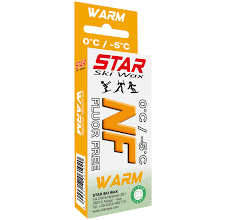
- hydrocarbon ski wax (non-fluorinated)
- The brand calls it PFAS-free, which we have not verified
- Volatile Organic Compounds (VOCs) and mineral oil vapor
3 hazards checked on this product, all on its full breakdown.
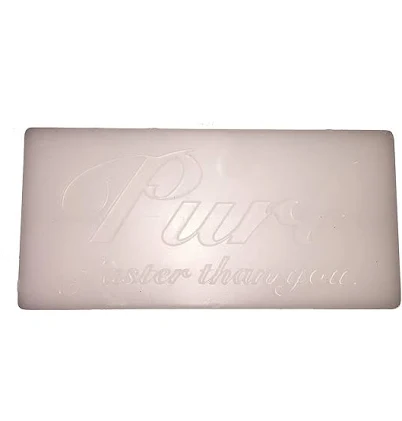
- hydrocarbon wax blend
- The brand calls it PFAS-free, which we have not verified
- Thermal degradation and fume emission
3 hazards checked on this product, all on its full breakdown.
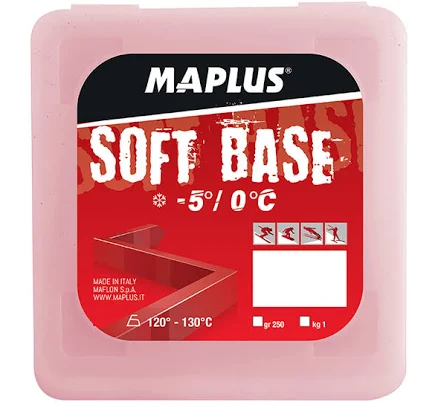
- Wax-based ski base, fluorine-free formulation
- The brand calls it PFAS-free, which we have not verified
- Inhalation of wax particulates and volatiles during application
More ski & sports wax grades
How we score, every product runs through the same public 0-100 rubric based on materials, coatings, brand disclosure, lab findings, and recalls. See the full methodology → Spotted a mistake? Report an error.