Tucker Murphy Pet · Pet Bedding & Mats
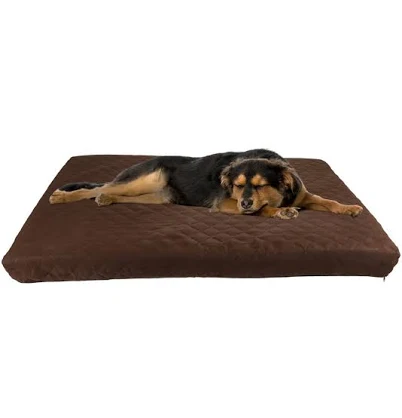
Tucker Murphy Kasper Waterproof Memory Foam Pillow
Avoid until brand discloses waterproof treatment chemistry.
Memory foam with unspecified waterproof coating designed to resist moisture. Waterproof foam products historically use PFAS-based water-repellent coating treatments without brand transparency.
The better-graded swap
Orvis
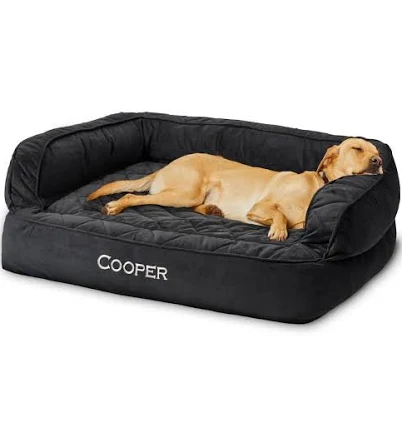
Orvis ComfortFill-Eco Couch Dog Bed
75/100 safety
Same rubric that flunked this product. The swap earned Excellent.
Still want this one anyway? Check the price on Amazon. We’d swap it.
Material
Memory foam with unspecified waterproof coating
Brand disclosure
Brand is silent on PFAS
Lab data
No public lab test
You may also be interested in
Top-graded picks in the categories readers replace first, every one scored on the same rubric.

- polypropylene filter housing, carbon/sediment cartridge
- We found no PFAS statement from the brand
- Bacterial growth in spent cartridges
3 hazards checked on this product, all on its full breakdown.

Aquasure
Premier Series 75 GPD Under Sink Reverse Osmosis Water Filtration System
- RO membrane, carbon filters, stainless steel housing
- We found no PFAS statement from the brand
- Bacterial and microbial growth in housing and filters
4 hazards checked on this product, all on its full breakdown.

Avocado
Vegan Mattress
- organic cotton, natural latex, coconut coir, recycled steel coils
- The brand calls it PFAS-free, which we have not verified
- Heavy metals
2 hazards checked on this product, all on its full breakdown.
What Tucker Murphy Kasper Foam Pillow is made of, ingredients and materials
This pillow combines memory foam (typically polyurethane) with an unspecified waterproof coating. Memory foam itself is a polyurethane polymer that off-gasses volatile organic compounds (VOCs) when new, especially when warm or compressed. The waterproof layer is the critical unknown, it may rely on PFAS chemicals (fluorinated compounds) to repel liquids, or other synthetic polymers with their own leaching risk. Without disclosure, you cannot assess whether the coating degrades over time or migrates into pet saliva and skin contact.
What’s concerning
Category baseline
The starting point for this type of product, before anything specific to this product is counted.
No PFAS disclosure
No public statement from the brand about PFAS in this product.
Waterproof / stain-resistant treatment
Water-repellent coating treatments have historically used PFAS.
VOC off-gassing from polyurethane foam
Memory foam is well-documented to release volatile organic compounds (toluene, methylene diphenyl diisocyanate breakdown products) on first use and during compression, especially in warm or humid conditions common in pet environments.
Waterproof coating degradation and leachates
Without disclosed chemistry, the waterproof layer's stability under pet urine, saliva, and temperature cycling is unknown. Polymeric coatings commonly degrade and leach monomers or additives into direct contact surfaces over 2-3 years of pet use.
Skin and oral irritation from undisclosed polymer additives
Waterproof coatings often contain slip agents, UV stabilizers, or flame retardants not listed in marketing materials. Direct pet contact (chewing, lying, grooming) may expose sensitive animals to these additives.
Microplastic shedding if foam structure degrades
Polyurethane foam can fragment and release small particles under mechanical stress (pet clawing, repeated compression). Pets may inhale or ingest microparticles, with long-term effects still under study.
PFAS
Casper's silence on waterproofing chemistry, combined with the low PFAS safety grade (30/100), strongly suggests fluorinated compounds are likely in the coating. PFAS accumulates in animal tissues and poses bioaccumulation risk with chronic exposure.
Source, ATSDR ↗How is this PFAS grade calculated?
The brand's record and disclosure
Casper (the parent brand) has maintained near-total silence on waterproofing chemistry across its product line, despite growing public scrutiny of PFAS in consumer goods. No third-party certifications (CertiPUR-US, Global Organic Textile Standard, or similar) are documented for this Tucker Murphy variant. The PFAS assessment (30/100) reflects unavailable or non-compliant treatment data, not independent testing but rather absence of transparent disclosure.
How it compares in its category
Pet bedding with waterproof coatings is common, but most establish transparency or use non-fluorinated water-resistant treatments (wax, silicone, or cotton blends). This product's silence on chemistry places it below competitors who certify foam origin or openly use PFAS-free alternatives. Natural latex or wool-fill pet beds with mechanical water barriers (removable, washable covers) avoid coating uncertainty altogether.
If you buy it
Air it outdoors in shade for 24-48 hours before pet use to reduce initial VOC off-gassing. Keep in well-ventilated areas; do not use in enclosed pet crates or small rooms. Inspect the waterproof layer monthly for cracking, peeling, or discoloration, which signals coating breakdown and potential leachate release. Replace after 2-3 years or if visible degradation occurs, as pet urine can accelerate breakdown of unknown coating polymers.
What is not known about PFAS in this product?
- Basis
- Model estimate, 45% confidence, not a lab result
- Lab test
- None on record for this exact product
- Brand statement
- Tucker Murphy Pet has made none
Formulations change between production runs, so check the current label. How we grade.
What are the PFAS-free alternatives to Tucker Murphy Kasper Waterproof Memory Foam Pillow?
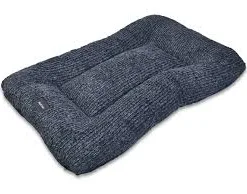
- Polyester microfiber with recycled polyester fill
- We found no PFAS statement from the brand
- Microplastic shedding from microfiber
2 hazards checked on this product, all on its full breakdown.
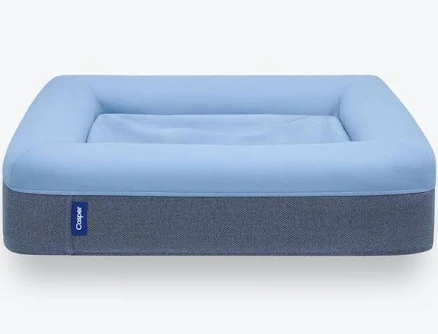
- foam core, polyester/poly blend fabric cover
- We found no PFAS statement from the brand
- VOC off-gassing from polyurethane foam
3 hazards checked on this product, all on its full breakdown.

- Plush memory foam (likely polyurethane), polyester/cotton blend cover
- We found no PFAS statement from the brand
- VOC off-gassing from polyurethane foam
3 hazards checked on this product, all on its full breakdown.
More pet bedding & mats grades
How we score, every product runs through the same public 0-100 rubric based on materials, coatings, brand disclosure, lab findings, and recalls. See the full methodology → Spotted a mistake? Report an error.