Citizen · Water-Resistant Smart Rings & Bands
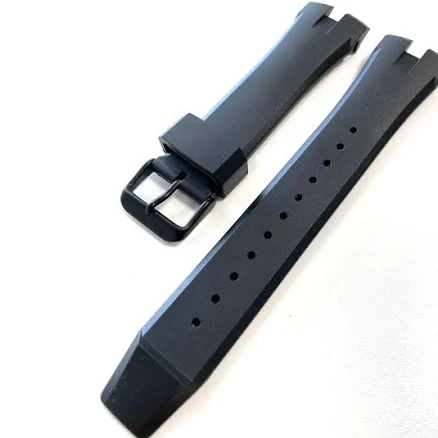
Citizen CA4154 Eco-Drive Silicone Watch Band
Silicone watch band rarely uses PFAS, no concerns identified.
Silicone naturally resists PFAS without treatment triggers. Citizen has no PFAS testing or claims published.
The better-graded swap
Honor
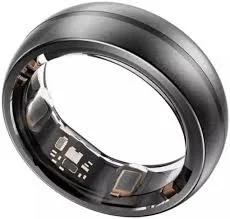
Original HONOR Insix Smart Health Ring X1A-08/10/12 Works with HONOR Magic V3
85/100 safety
Same rubric that flunked this product. The swap earned Excellent.
Still want this one anyway? Check the price on Amazon. We’d swap it.
Material
Silicone elastomer band
Brand disclosure
Brand is silent on PFAS
Lab data
No public lab test
You may also be interested in
Top-graded picks in the categories readers replace first, every one scored on the same rubric.

- polypropylene filter housing, carbon/sediment cartridge
- We found no PFAS statement from the brand
- Bacterial growth in spent cartridges
3 hazards checked on this product, all on its full breakdown.

Aquasure
Premier Series 75 GPD Under Sink Reverse Osmosis Water Filtration System
- RO membrane, carbon filters, stainless steel housing
- We found no PFAS statement from the brand
- Bacterial and microbial growth in housing and filters
4 hazards checked on this product, all on its full breakdown.

Avocado
Vegan Mattress
- organic cotton, natural latex, coconut coir, recycled steel coils
- The brand calls it PFAS-free, which we have not verified
- Heavy metals
2 hazards checked on this product, all on its full breakdown.
What Citizen CA4154 Eco-Drive Watch Band is made of, ingredients and materials
This watch band is silicone elastomer, a synthetic rubber polymer that is chemically inert and does not contain the aromatic amines or reactive dyes common in textiles. Silicone does not release formaldehyde or require antimony catalysts used in polyester synthesis. The material is stable across normal skin-contact temperatures and does not degrade into microplastics under typical wear conditions (wrist movement, sweat exposure, occasional washing).
What’s concerning
Category baseline
The starting point for this type of product, before anything specific to this product is counted.
No PFAS disclosure
No public statement from the brand about PFAS in this product.
Microplastics
Extended UV exposure or mechanical stress may cause surface cracking or micro-tears over years of wear. Silicone shed from band degradation is not classified as a toxicant but contributes to environmental microplastic load if not discarded responsibly.
Source, EPA ↗Skin irritation from contaminants
Silicone itself is hypoallergenic, but trapped sweat, bacteria, or mold in band crevices can cause contact dermatitis. Risk is low with routine cleaning and airflow; users with sensitive skin should rinse band after exercise.
What’s reassuring
Base material not linked to PFAS
The main material recorded for this product is not one associated with PFAS.
Formaldehyde / VOCs
Silicone elastomer does not require formaldehyde-based curing agents or resins. No formaldehyde finish is applied to silicone watch bands in standard manufacturing.
Source, ATSDR ↗Azo dyes and aromatic amines
Silicone is an elastomer, not a fiber, and does not require synthetic dyes for color. Pigments are incorporated directly into the elastomer base; azo dyes are not part of standard silicone band production.
Antimony in polyester
This product is pure silicone, not polyester. Antimony catalysts are specific to polyester synthesis and are absent in silicone elastomer manufacturing.
How is this PFAS grade calculated?
The brand's record and disclosure
Citizen markets the Eco-Drive range as environmentally conscious, emphasizing solar movement and reduced battery waste. The company does not publicly disclose detailed material sourcing or restricted-substance testing for watch bands specifically. No recalls, safety alerts, or documented contamination events are on record for Citizen silicone watch bands. Brand transparency on chemical hazards (formaldehyde, dyes, flame retardants) is limited but absence of reported problems suggests standard manufacturing controls.
How it compares in its category
Silicone bands have lower concern than fabric or leather straps (which may contain azo dyes, chromium tanning agents, or formaldehyde treatments) and equivalent concern profile to other synthetic elastomer bands (rubber, thermoplastic polyurethane). Unlike metal bands, silicone avoids nickel release risk. Compared to textile watch straps sold under premium brands, silicone requires fewer chemical finishes and dyes, making it a lower-toxicant choice in the wearable accessories category.
If you buy it
Clean periodically with mild soap and water to remove sweat and dirt buildup, which can trap moisture and promote skin irritation. Avoid prolonged exposure to extreme heat (saunas, direct sunlight for extended periods) as silicone can soften slightly, though it will not leach chemicals. Inspect the band annually for tears or cracks; if the surface begins to degrade, replacement is inexpensive and poses no health risk from small rubber particles. Store away from direct UV light between uses to extend band lifespan.
What is not known about PFAS in this product?
- Basis
- Model estimate, 72% confidence, not a lab result
- Lab test
- None on record for this exact product
- Brand statement
- Citizen has made none
Formulations change between production runs, so check the current label. How we grade.
More water-resistant smart rings & bands grades
How we score, every product runs through the same public 0-100 rubric based on materials, coatings, brand disclosure, lab findings, and recalls. See the full methodology → Spotted a mistake? Report an error.