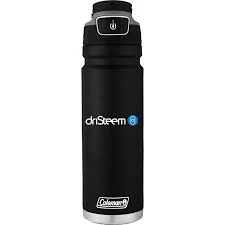
Coleman · Insulated Drink Tumblers
24 Oz Coleman Freeflow Bottle
Coleman Freeflow bottle material is not linked to PFAS concern.
The Coleman Freeflow bottle is made from polycarbonate or Tritan plastic. No water-repellent finish or coating is on record. Coleman has no PFAS statement on record for this product.
We flunk more products than we pass. This one earned its grade. How we grade
Material
BPA-free plastic bottle, polycarbonate or tritan
Lab data
No public lab test
What 24 Oz Coleman Freeflow Bottle is made of, ingredients and materials
Coleman Freeflow bottles are typically made from either Tritan copolyester or polycarbonate, both BPA-free formulations. Tritan is a newer copolyester designed specifically to avoid bisphenol compounds and has no known estrogenic activity in standard use. Polycarbonate, when BPA-free, eliminates the primary endocrine disruption concern, though the replacement chemistry varies by manufacturer. Neither material leaches significantly under normal cold or room-temperature hydration conditions.
What’s concerning
Category baseline
The starting point for this type of product, before anything specific to this product is counted.
No PFAS disclosure
No public statement from the brand about PFAS in this product.
Thermal leaching and degradation
Polycarbonate and Tritan can leach trace oligomers or residual monomers if exposed to heat above 120F or UV light for sustained periods. Daily cold water use carries negligible risk; hot beverage or dishwasher use increases leaching potential incrementally over time.
Microplastics
Scratching, abrasion in bags, or degradation of internal coatings may release microplastics over years of use, particularly if bottle is dropped or scuffed. No studies isolate Coleman product risk specifically, but this is a general plastic bottle aging hazard.
Source, EPA ↗Bacterial or mold growth
Seams, threads, and valve mechanisms can harbor bacteria or mold if not dried thoroughly after washing. Coleman's screw-cap design is simpler than competitor valve systems, reducing crevices but not eliminating standing water risk.
What’s reassuring
Base material not linked to PFAS
The main material recorded for this product is not one associated with PFAS.
BPA & bisphenols
Coleman markets this as BPA-free; if Tritan is used, BPA and most bisphenols are absent by design. If polycarbonate, standard BPA-free formulations use alternative monomers with no established leaching risk at cold/room temperature.
Source, FDA ↗PFAS
No published testing or recalls document PFAS in Coleman Freeflow bottles. Tritan and most polycarbonate formulations are not flagged in public PFAS literature, though manufacturer silence on this issue is noted.
Source, ATSDR ↗The full breakdown
The brand's record and disclosure
Coleman does not publicly disclose PFAS testing results or make strong material transparency statements on their website regarding bottle composition beyond 'BPA-free' labeling. The brand has no documented product recalls related to chemical leaching or contamination for this product line. Coleman is a mass-market outdoor brand without third-party certifications (NSF, FDA pre-approval statements) that would elevate confidence; they rely on baseline FDA food-contact compliance.
How it compares in its category
This bottle sits in the standard mass-market reusable plastic category alongside Contigo, CamelBak, and Hydro Flask budget lines. It lacks premium certifications that Hydro Flask or S'well offer, but is functionally equivalent to competitor bottles at similar price points. Tritan formulations are associated with lower concern than older polycarbonate for daily use, positioning Coleman competitively on chemical hazard profiles without premium positioning.
If you buy it
Do not fill with hot liquids above 120F or leave in direct sunlight for extended periods, as plastic can soften and leach compounds faster under heat stress. Hand wash rather than dishwasher to avoid thermal cycling that degrades polymer integrity over years. Replace the bottle if the interior becomes cloudy, scratched deeply, or develops odor that does not rinse out, as these indicate coating or material breakdown. Store cap-on and inverted monthly to dry interior thoroughly and prevent mold or bacterial biofilm growth in seams.
What we don’t know
- Basis
- Model estimate, 72% confidence, not a lab result
- Lab test
- None on record for this exact product
- Brand statement
- Coleman has made a specific claim
Formulations change between production runs, so check the current label. How we grade.
Better-graded alternatives in Insulated Drink Tumblers
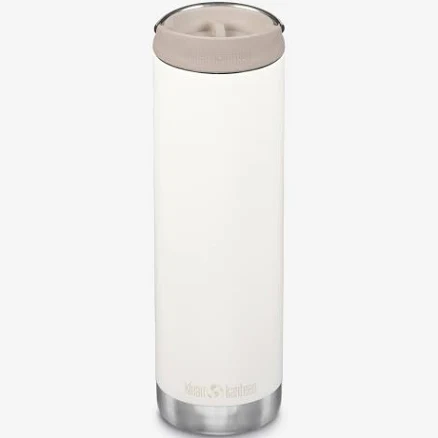
Klean Kanteen
20oz TKWide with Café Cap, Tofu
- Stainless steel bottle, stainless steel cap
- The brand calls it PFAS-free, which we have not verified
- Powder-coat cap degradation over time
3 hazards checked on this product. See all of them.
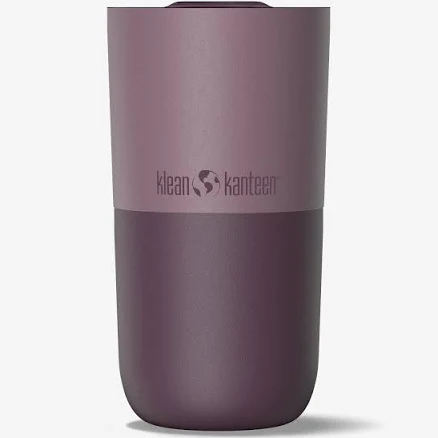
Klean Kanteen
16oz Rise Tumbler
- Stainless steel body, powder-coat finish
- The brand calls it PFAS-free, which we have not verified
- Powder-coat finish degradation
3 hazards checked on this product. See all of them.
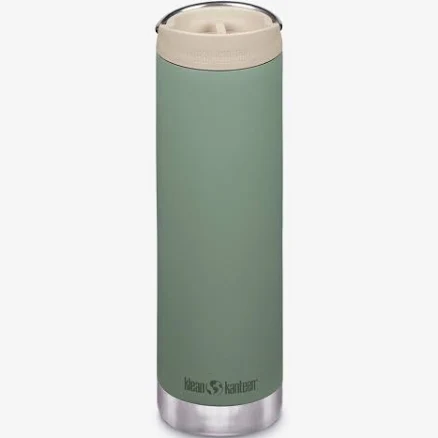
Klean Kanteen
Insulated TKWide Cap
- Stainless steel bottle, plastic cap and silicone gasket
- The brand calls it PFAS-free, which we have not verified
- Silicone gasket degradation and leaching
3 hazards checked on this product. See all of them.
More insulated drink tumblers grades
How we score, every product runs through the same public 0-100 rubric based on materials, coatings, brand disclosure, lab findings, and recalls. See the full methodology → Spotted a mistake? Report an error.