Coleman · Insulated Drink Tumblers
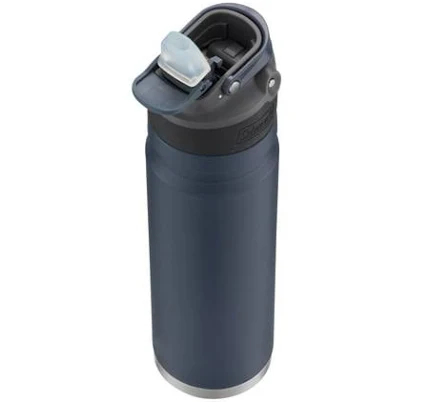
Coleman Autospout Switch Stainless Steel Insulated Water Bottle
Low risk; stainless steel bottle with uncertain plastic spout and cap.
Coleman's stainless steel insulated bottle has inherent lower PFAS risk from the metal exterior. Plastic spout and cap materials remain undisclosed, introducing modest uncertainty about interior surfaces.
We flunk more products than we pass. This one earned its grade. How we grade
Material
Stainless steel exterior, plastic interior components (cap/spout)
Lab data
No public lab test
What Coleman Autospout Switch Stainless Steel is made of, ingredients and materials
The Coleman Autospout Switch exterior is stainless steel, which is chemically inert and does not leach metals or compounds into liquid under normal use. The interior spout, cap, and valve mechanisms are plastic composites (specific polymer type not disclosed by Coleman). Stainless steel's inertness makes it one of the lowest-hazard beverage vessel materials for storage; the risk profile depends entirely on the plastic components' formulation and whether they contact the liquid directly.
What’s concerning
No PFAS disclosure
No public statement from the brand about PFAS in this product.
Category baseline
The starting point for this type of product, before anything specific to this product is counted.
BPA & bisphenols
Coleman has not published testing or BPA-free certification for this bottle's plastic components. Leaching risk is low at cool temperatures but increases if spout contacts hot liquid or sits with warm water for hours. No recalls or customer complaints are on record.
Source, FDA ↗Phthalates
The valve and seal plastics are not specified by Coleman. Phthalate presence is possible but unlikely to migrate into cool water at measurable levels. Risk is primarily if plastic components are chewed or if bottle is regularly filled with very hot liquids that stress the seals.
Source, ATSDR ↗Microplastic shedding from plastic interior components
The plastic spout valve can degrade with repeated use and thermal cycling. Microscopic fragments are theoretically possible after years of use, but no testing or documentation from Coleman quantifies this risk. Replacement of worn components mitigates this hazard.
Bacterial or mold growth in valve cavity
The Autospout's internal valve channel can trap moisture and food particles if not fully disassembled and dried after each use. If bottle is left filled for days or stored damp, microbial colonization is possible. Regular rinsing and air-drying, especially of the spout mechanism, substantially reduces this maintenance-dependent risk.
What’s reassuring
Base material not linked to PFAS
The main material recorded for this product is not one associated with PFAS.
Stainless steel leaching (nickel)
Food-grade stainless steel (typically 304 or 316) has minimal nickel migration into neutral beverages. No credible reports of nickel leaching from Coleman stainless bottles exist. Acidic or salty liquids stored for weeks may theoretically increase migration, but risk remains negligible under normal use.
The full breakdown
The brand's record and disclosure
Coleman does not publish material safety data sheets, BPA/BPS declarations, or phthalate testing results for this bottle. The brand maintains no visible commitment to third-party certification (NSF, FDA, or similar). Coleman has not faced documented recalls or safety controversies specific to this water bottle model. Absence of disclosure is not confirmation of safety but reflects typical practice for mid-market outdoor gear brands rather than a red flag.
How it compares in its category
Stainless steel insulated bottles have lower concern because the exterior material cannot degrade into liquid. This product is comparable to brands like Hydro Flask or YETI in material class but lacks their explicit material certifications. The plastic spout and cap introduce slightly higher variability than fully stainless or borosilicate glass bottles, though the risk remains modest under normal conditions.
If you buy it
Do not fill with liquids above 60 degrees Celsius to minimize plastic component stress and potential leaching. Replace the cap or spout gasket if visible cracks, cloudiness, or deterioration appears, typically after 2-3 years of regular use. Wash the plastic components by hand with mild soap rather than hot dishwasher cycles to extend material life. Store empty or with cool water; do not store acidic beverages (citrus, vinegar) for extended periods, as acid can accelerate minor polymer degradation over months.
What we don’t know
- Basis
- Model estimate, 72% confidence, not a lab result
- Lab test
- None on record for this exact product
- Brand statement
- Coleman has made a specific claim
Formulations change between production runs, so check the current label. How we grade.
Better-graded alternatives in Insulated Drink Tumblers
Klean Kanteen
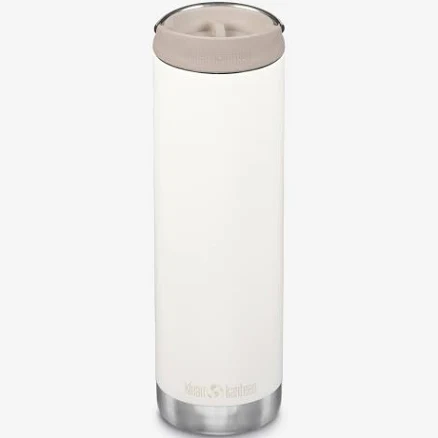
20oz TKWide with Café Cap, Tofu
- Stainless steel bottle, stainless steel cap
- The brand calls it PFAS-free, which we have not verified
- Powder-coat cap degradation over time
3 hazards checked on this product. See all of them.
Klean Kanteen
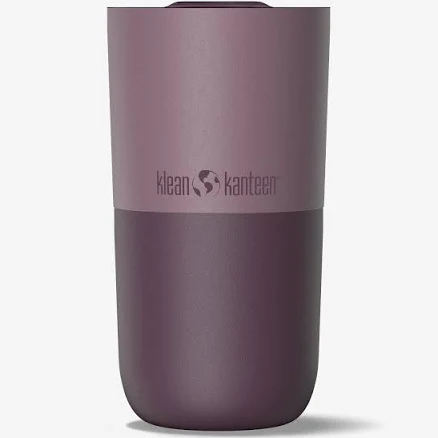
16oz Rise Tumbler
- Stainless steel body, powder-coat finish
- The brand calls it PFAS-free, which we have not verified
- Powder-coat finish degradation
3 hazards checked on this product. See all of them.
Klean Kanteen
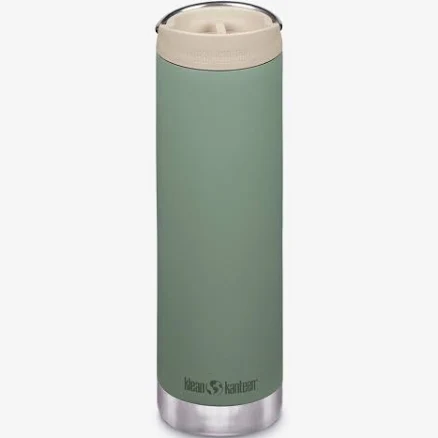
Insulated TKWide Cap
- Stainless steel bottle, plastic cap and silicone gasket
- The brand calls it PFAS-free, which we have not verified
- Silicone gasket degradation and leaching
3 hazards checked on this product. See all of them.
More insulated drink tumblers grades
How we score, every product runs through the same public 0-100 rubric based on materials, coatings, brand disclosure, lab findings, and recalls. See the full methodology → Spotted a mistake? Report an error.