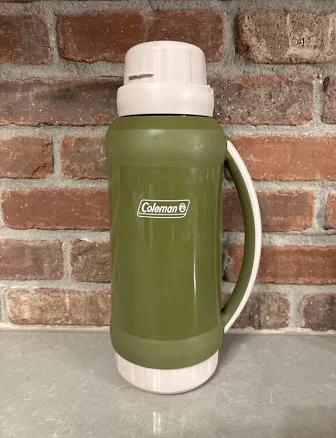
Coleman · Insulated Drink Tumblers
Coleman Insulated Bottle 1.75 qt
Low risk. Stainless steel insulated bottle with no known PFAS coatings.
Coleman insulated bottles use stainless steel construction without reported nonstick or water-resistant coatings typically containing PFAS. No brand disclosure or third-party testing exists, but materials suggest lower risk.
We flunk more products than we pass. This one earned its grade. How we grade
Material
Stainless steel exterior, plastic/foam insulation interior
Lab data
No public lab test
What Coleman Insulated Bottle 1.75 qt is made of, ingredients and materials
This bottle uses a stainless steel outer shell (typically 18/8 or 304-grade), which is chemically inert and does not leach metals into beverages under normal use. The insulation layer is closed-cell foam, likely polyurethane or polyethylene, sandwiched between the steel exterior and an inner plastic or steel liner. Foam insulation itself poses minimal leaching risk because it does not contact the liquid directly unless the inner barrier fails.
What’s concerning
No PFAS disclosure
No public statement from the brand about PFAS in this product.
Category baseline
The starting point for this type of product, before anything specific to this product is counted.
Inner liner corrosion or degradation
If the inner stainless steel or plastic liner is scratched or punctured, moisture can enter the foam insulation layer and promote rust or mold growth over years. This is a durability issue rather than acute toxicity, but compromised liners should be replaced.
What’s reassuring
Base material not linked to PFAS
The main material recorded for this product is not one associated with PFAS.
Gasket/seal material off-gassing or leaching
Coleman does not disclose the composition of lid gaskets or seals. These are typically silicone or rubber but are not known to leach harmful compounds at room or cold temperatures. Heating beverages above 65C may accelerate minor leaching, though no reported incidents exist for this product line.
Foam insulation particle shedding
Closed-cell foam does not shed particles into liquid under normal use because it is fully encased. Damage to the outer or inner shell could theoretically expose foam, but this would be visible and obvious; no systemic complaints are on record.
Heavy metals
Grade 304/18-8 stainless steel contains iron, chromium, nickel, and molybdenum. These remain bound in the alloy matrix and do not leach into room-temperature or cold beverages. Acidic hot drinks (lemon water, vinegar) may accelerate minute surface leaching over prolonged contact, but amounts are negligible.
Source, FDA ↗Adhesive or adhesion promoter residue
Coleman does not publicly specify adhesive or coating methods used to bond the foam layer. If epoxy or urethane adhesives are used without full cure or outgassing time before shipment, trace volatile compounds might off-gas initially. Airing the bottle for 24 hours before first use mitigates this minimal risk.
The full breakdown
The brand's record and disclosure
Coleman is a major outdoor equipment manufacturer owned by Newell Brands. The company does not publish detailed material safety data sheets or third-party certifications for this specific bottle model. No major product recalls or chemical contamination incidents are on record for Coleman insulated bottles. The brand's silence on PFAS use in coatings or sealing compounds is consistent with industry norm for this product category, though transparency remains limited.
How it compares in its category
Stainless steel insulated bottles show lower concern for beverage storage compared to some plastic-only or coated-aluminum alternatives. This 1.75 qt capacity sits in the mid-range for personal or small-group use. Comparable brands (Hydro Flask, YETI, Contigo) typically use similar stainless steel construction and do not disclose PFAS in non-coating materials. Coleman's price point is generally lower than premium competitors, which may reflect simpler interior finishes rather than material differences.
If you buy it
Hand wash rather than dishwashing to minimize wear on any sealant or gasket materials. Do not fill with boiling water immediately; allow hot beverages to cool slightly to avoid stress on insulation seams. Inspect the gasket (lid seal) annually for cracks or hardening; replacements are typically available. If the interior develops visible rust, corrosion, or leaks after years of use, retire the bottle rather than continuing to use a compromised liner.
What we don’t know
- Basis
- Model estimate, 78% confidence, not a lab result
- Lab test
- None on record for this exact product
- Brand statement
- Coleman has made a specific claim
Formulations change between production runs, so check the current label. How we grade.
Better-graded alternatives in Insulated Drink Tumblers
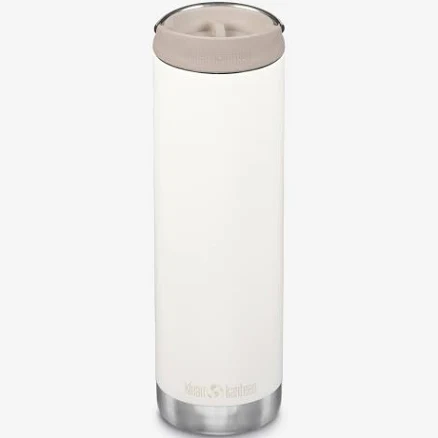
Klean Kanteen
20oz TKWide with Café Cap, Tofu
- Stainless steel bottle, stainless steel cap
- The brand calls it PFAS-free, which we have not verified
- Powder-coat cap degradation over time
3 hazards checked on this product. See all of them.
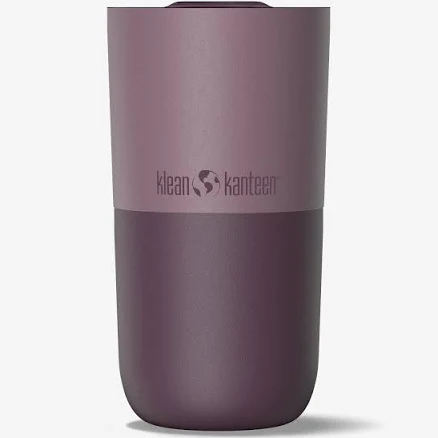
Klean Kanteen
16oz Rise Tumbler
- Stainless steel body, powder-coat finish
- The brand calls it PFAS-free, which we have not verified
- Powder-coat finish degradation
3 hazards checked on this product. See all of them.
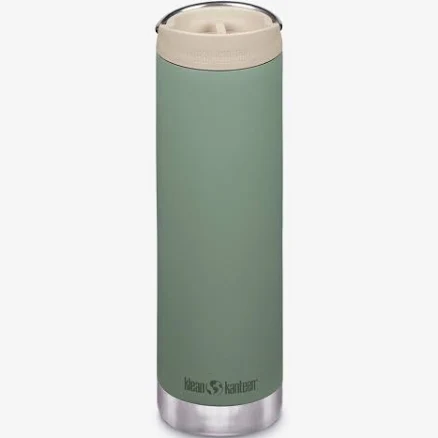
Klean Kanteen
Insulated TKWide Cap
- Stainless steel bottle, plastic cap and silicone gasket
- The brand calls it PFAS-free, which we have not verified
- Silicone gasket degradation and leaching
3 hazards checked on this product. See all of them.
More insulated drink tumblers grades
How we score, every product runs through the same public 0-100 rubric based on materials, coatings, brand disclosure, lab findings, and recalls. See the full methodology → Spotted a mistake? Report an error.