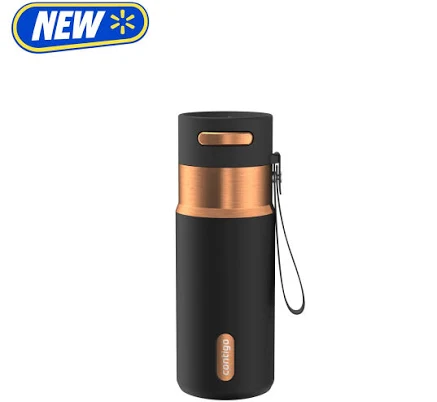
Contigo · Insulated Drink Tumblers
Contigo AutoSeal Water Bottle Champagne
Low risk. No known PFAS issues reported for this bottle.
This bottle uses Tritan copolyester, a BPA-free plastic with no established PFAS concerns. Contigo makes no PFAS statements and no public testing data exists.
We flunk more products than we pass. This one earned its grade. How we grade
Material
Plastic bottle (Eastman Tritan copolyester), stainless steel lid
Lab data
No public lab test
What Contigo AutoSeal Water Bottle Champagne is made of, ingredients and materials
The bottle body is Eastman Tritan copolyester, a thermoplastic engineered to replace polycarbonate without BPA or BPS. Tritan does not hydrolyze or leach under normal beverage conditions and has no known endocrine disruptors added during manufacture. The stainless steel lid minimizes plastic contact with your mouth and reduces surface area for any theoretical degradation. This material combination shows lower concern compared to other mass-market water bottle options according to independent analysts.
What’s concerning
Category baseline
The starting point for this type of product, before anything specific to this product is counted.
No PFAS disclosure
No public statement from the brand about PFAS in this product.
Microplastic shedding
Tritan does degrade microscopically with UV exposure and repeated thermal stress. Risk is low under normal indoor storage but increases if bottle is left in sunlight for extended periods or run through hot dishwashers frequently.
Metal leaching from stainless steel lid
Stainless steel lids can release trace nickel or chromium if scratched or exposed to highly acidic beverages (pH below 3) for months. Risk is minimal for typical water and juice use but measurable in edge cases.
Mold and bacterial growth in cap mechanism
The AutoSeal one-way valve can trap moisture and organic material if not regularly disassembled and dried. Hand-washing and air-drying the lid weekly prevents biofilm buildup.
What’s reassuring
Base material not linked to PFAS
The main material recorded for this product is not one associated with PFAS.
BPA & bisphenols
Tritan copolyester is formulated without BPA or BPS. No studies have documented leaching of estrogenic compounds from virgin Tritan under normal use conditions.
Source, FDA ↗Phthalate plasticizers
Tritan does not require phthalates for flexibility; Eastman's formulation uses alternative plasticizers that are not known endocrine disruptors. No phthalates are intentionally added.
The full breakdown
The brand's record and disclosure
Contigo does not publish detailed material safety data sheets or third-party testing results for individual SKUs, which is typical for the category but limits transparency. No recalls or documented safety incidents involving this specific model have been reported in FDA or CPSC databases. The brand has not made public commitments to PFAS avoidance, though the product itself shows no evidence of intentional Teflon-family coating use. Contigo's parent company (Newell Brands) has faced minor supply-chain scrutiny but not product safety controversies.
How it compares in its category
Tritan-based bottles show lower concern among single-use plastic bottle materials, similar to glass and stainless steel alternatives. Most competitors in the reusable plastic segment use similar copolyesters or polypropylene (which also lacks major documented hazards). Contigo's AutoSeal design reduces spillage and contact with unlined plastic threads, a minor advantage over open-mouth designs. Price and durability are competitive; the stainless steel lid adds cost but reduces long-term replacement waste.
If you buy it
Do not use in dishwasher heat cycles above 140F or leave in direct sunlight for weeks, as Tritan can soften at extremes (though not leach toxins). Replace the bottle if you notice white stress marks, cracks, or persistent odors after washing. Stainless steel lids can develop minor corrosion from acidic beverages over years; hand-wash and dry if possible. The bottle can be used for hot and cold beverages; no heating restrictions apply as with some polycarbonates.
What we don’t know
- Basis
- Model estimate, 72% confidence, not a lab result
- Lab test
- None on record for this exact product
- Brand statement
- Contigo has made a specific claim
Formulations change between production runs, so check the current label. How we grade.
Better-graded alternatives in Insulated Drink Tumblers
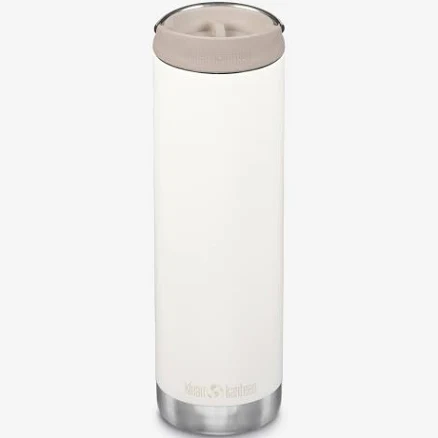
Klean Kanteen
20oz TKWide with Café Cap, Tofu
- Stainless steel bottle, stainless steel cap
- The brand calls it PFAS-free, which we have not verified
- Powder-coat cap degradation over time
3 hazards checked on this product. See all of them.
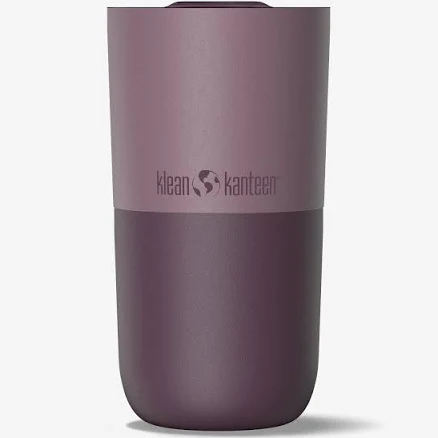
Klean Kanteen
16oz Rise Tumbler
- Stainless steel body, powder-coat finish
- The brand calls it PFAS-free, which we have not verified
- Powder-coat finish degradation
3 hazards checked on this product. See all of them.
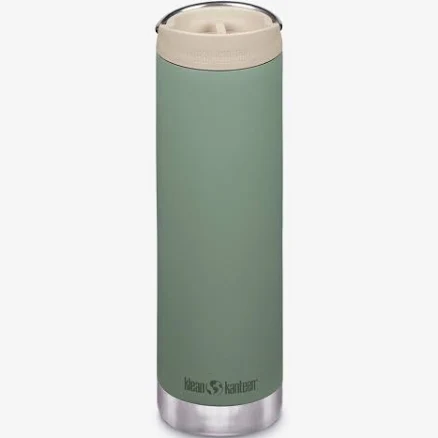
Klean Kanteen
Insulated TKWide Cap
- Stainless steel bottle, plastic cap and silicone gasket
- The brand calls it PFAS-free, which we have not verified
- Silicone gasket degradation and leaching
3 hazards checked on this product. See all of them.
More insulated drink tumblers grades
How we score, every product runs through the same public 0-100 rubric based on materials, coatings, brand disclosure, lab findings, and recalls. See the full methodology → Spotted a mistake? Report an error.